Start with a clear message for the whole page
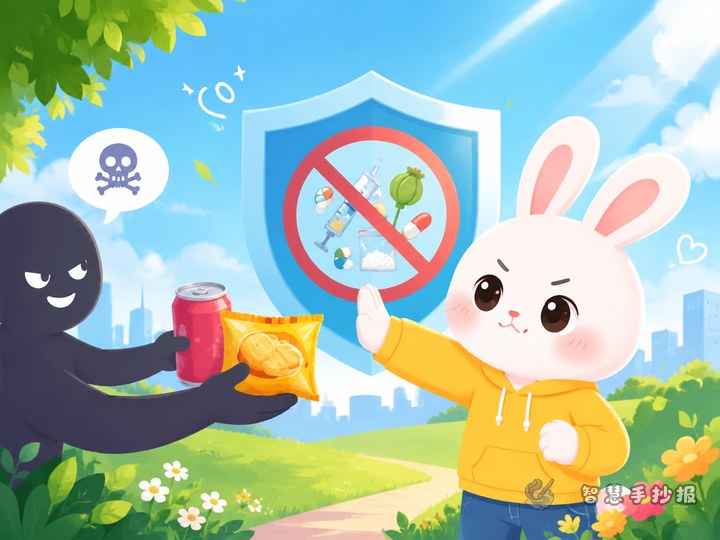
If you want an anti-drug handwritten newspaper that is clear and suitable for children, choose a focused theme such as “Drugs can be disguised, so learn to spot them and stay away”. This angle is more practical than only writing broad slogans. A main title like “Watch Carefully, Say No to Drug Traps” or “Drugs Can Hide in Disguise” works well.
Once the central idea is clear, the page becomes easier to organize. You can include one section on harm, one on hidden dangers and disguises, one on safe responses, and one on class or personal promises. This gives the poster a complete and readable structure.
Four useful sections for the layout
1. Why drugs are dangerous
Use short and simple sentences to explain that drugs harm the body, affect the brain, interfere with healthy growth, damage families, and may lead to illegal behavior. For a school handwritten newspaper, the message should stay direct and age-appropriate.
2. Be careful with disguised risks
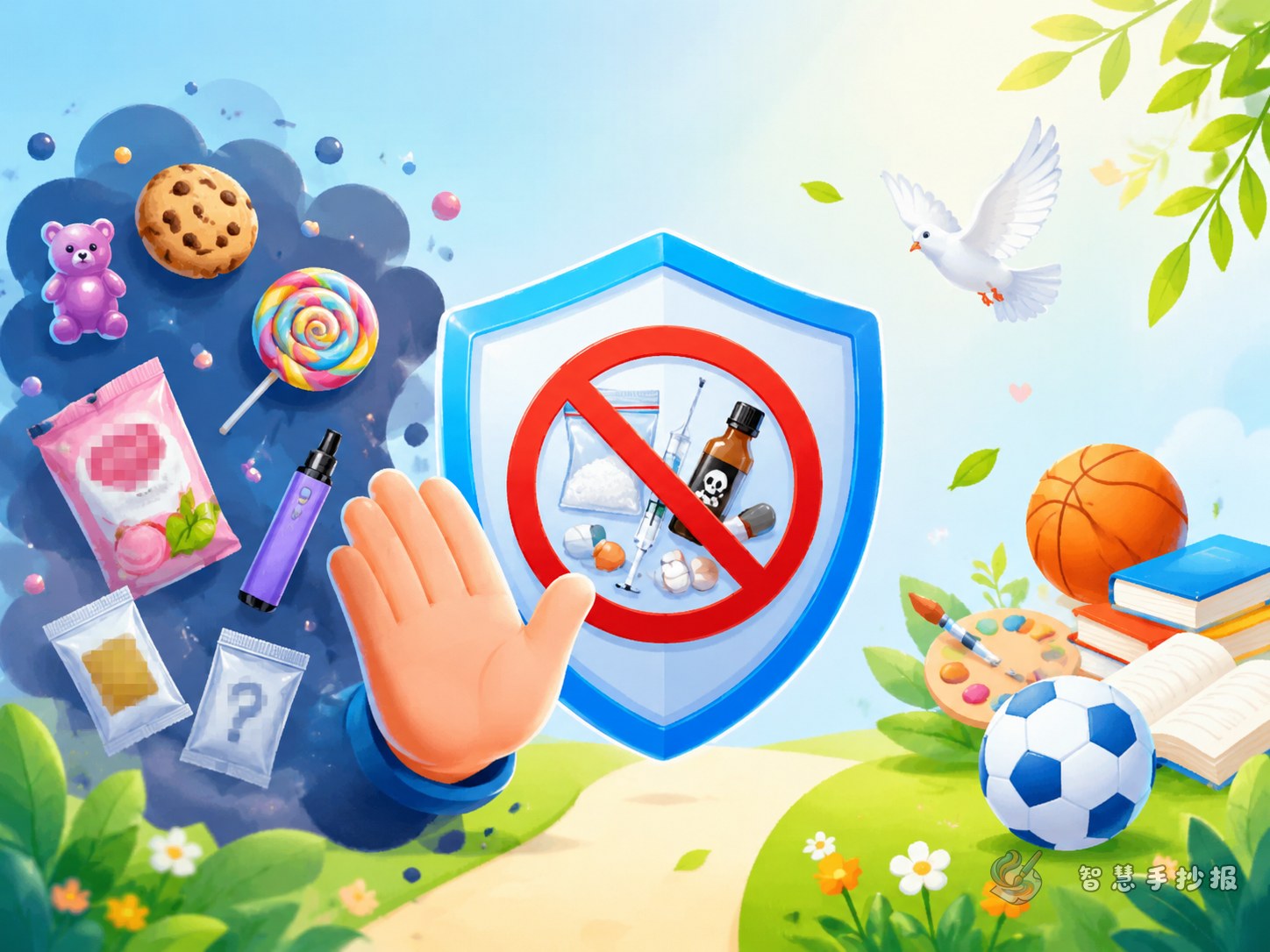
This is the key section for this topic. Remind students not to eat or drink things from unknown sources, not to trust strange-looking products, and to tell parents or teachers if something feels suspicious. This makes the poster more practical for daily life.
3. Learn how to refuse
Turn this part into short response lines such as “No, thank you,” “I need to ask my parents first,” or “I do not accept things from unknown people.” These phrases help children understand what they can actually say in real situations.
4. Our anti-drug promise
At the end, add a small pledge area with lines like “Protect life, stay away from drugs,” “Do not try, do not accept, do not spread,” and “Report suspicious situations in time.” This gives the page a strong closing message.
Short text materials you can copy
- Drugs are not toys. Never try them out of curiosity.
- Do not eat or drink unknown things.
- Stay away from harmful temptation and protect healthy growth.
- If something seems suspicious, do not hide it. Tell an adult in time.
- Value life and family. Say no to drugs firmly.
If you still have empty space, add one more short note: some dangers are hidden behind attractive packaging, so learning to stay alert is an important way to protect yourself.
A layout that looks tidy and easy to read
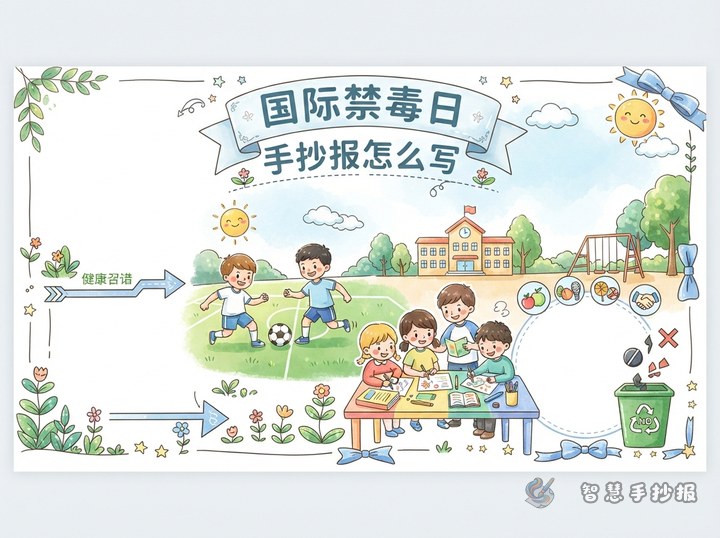
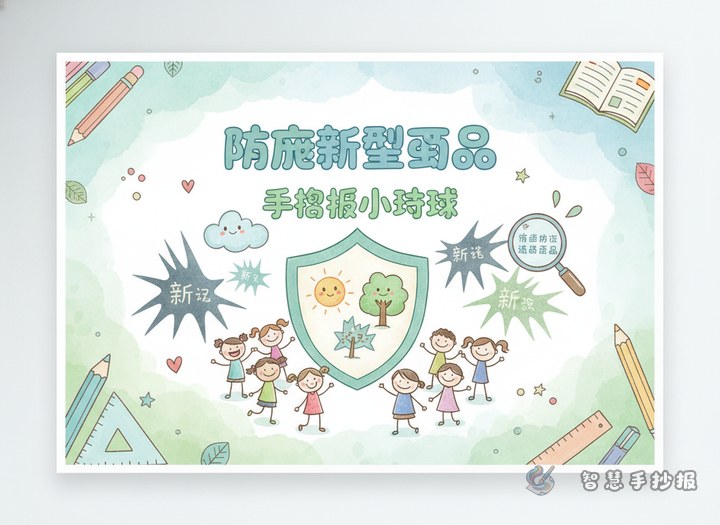
A good design for this topic is a center title with four surrounding blocks. Put the main title in the middle, then place the four sections around it: harm, disguise warnings, refusal skills, and anti-drug pledge. This layout makes the key points easy to notice.
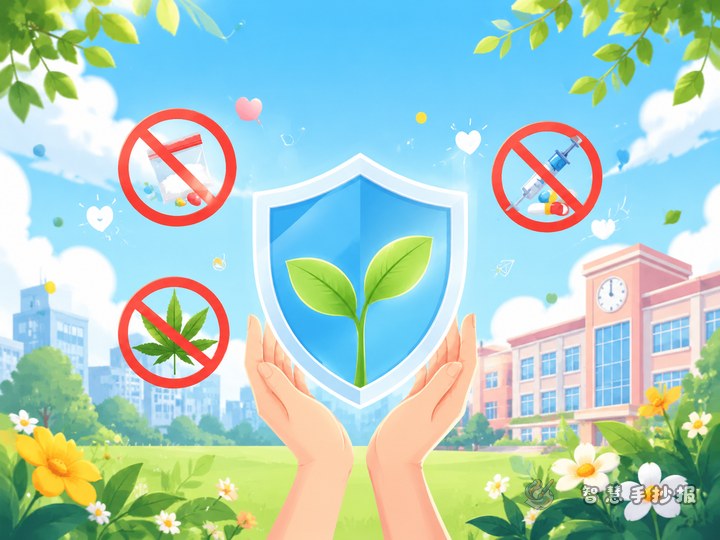
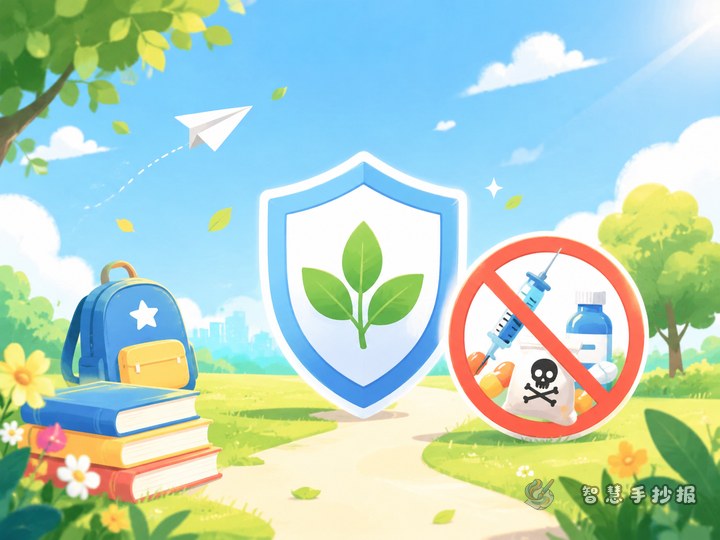
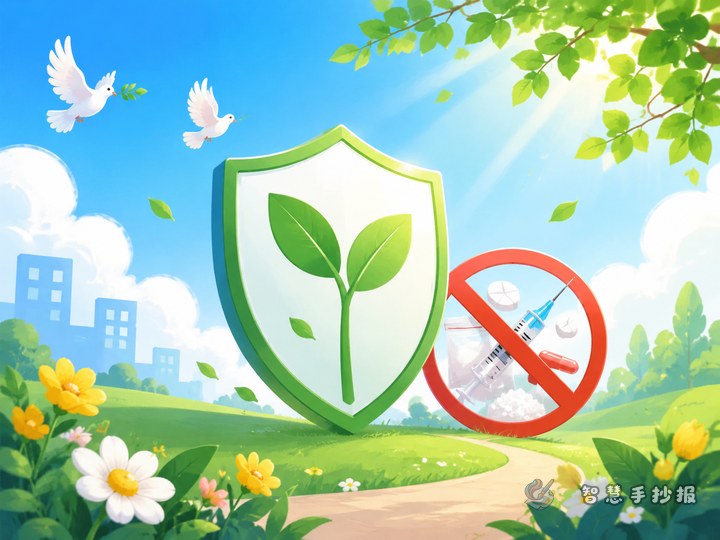
For colors, green, blue, and orange are good choices. They feel bright enough for a school page while still keeping the topic serious. Decorative elements can include shields, warning signs, linked hands, or simple “no” symbols. Avoid filling every corner with drawings so the text stays readable.
How to make it work better for class display
If the handwritten newspaper will be shown in class, add a small section called “What I Can Do”. List three to five promises such as “I will not accept food from strangers,” “I will ask adults when something feels unsafe,” and “I will stay away from risky places.” This makes the work more interactive and meaningful.
When making the page, lightly sketch the sections with a pencil first, then copy the final text neatly and add decorations last. If you want to keep refining the layout and content, you can also continue your design in the WeChat mini program by Smart Handwritten Newspaper.