Start with one clear observation idea
The easiest way to plan a butterfly observation handwritten newspaper is to begin with one simple focus: what makes the butterfly I observed special. Once that is clear, you can add its life cycle, habitat, and protection message to build a complete page.
This topic is especially suitable for children because butterflies are colorful, easy to notice, and fun to draw in a nature-themed design.
Best content blocks to include
Appearance notes
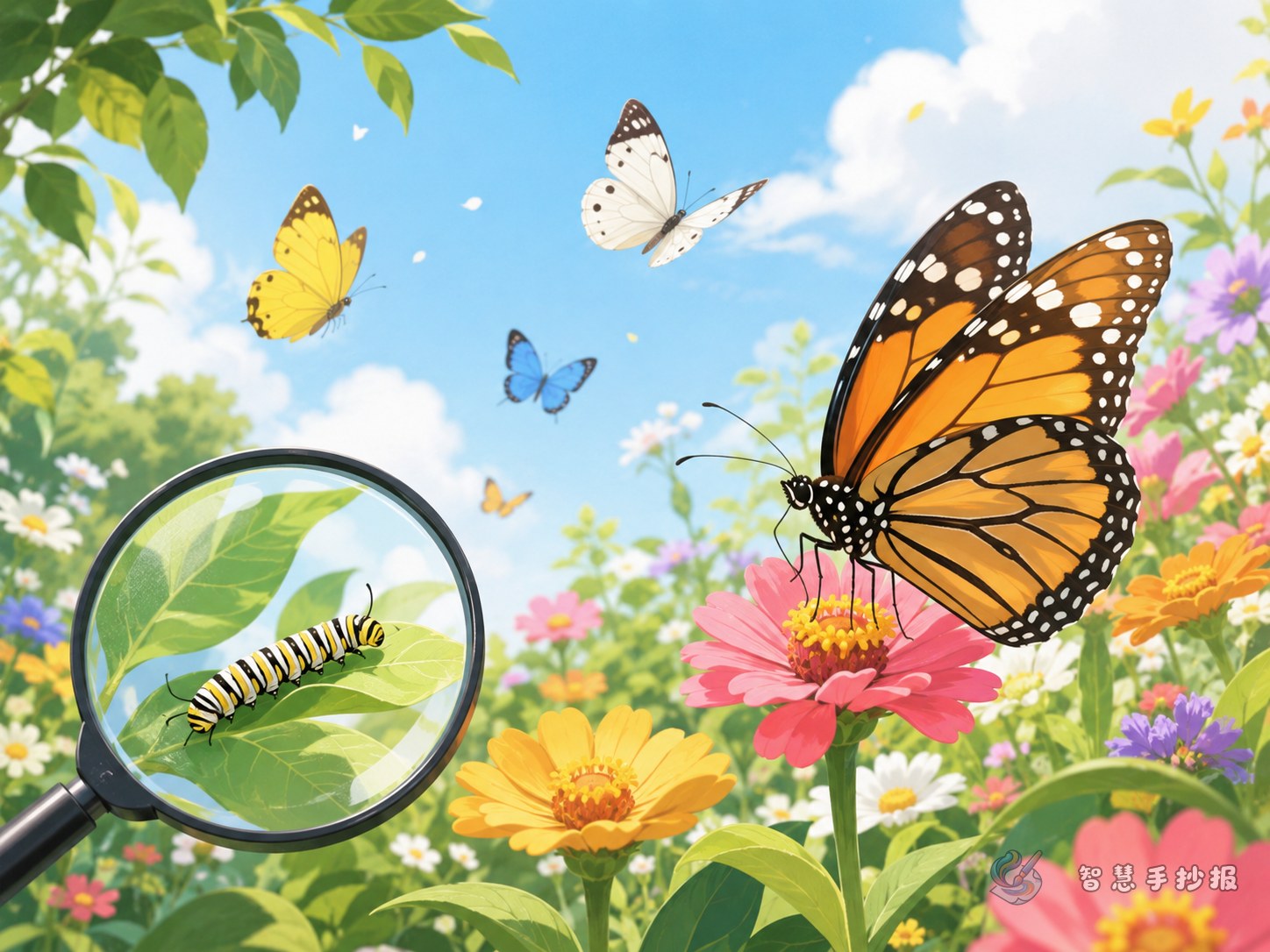
You can describe the butterfly's head, body, antennae, and wings in simple language. Instead of writing too formally, students can say things like “its wings looked like colorful petals” or “it rested quietly on a flower.”
Life cycle
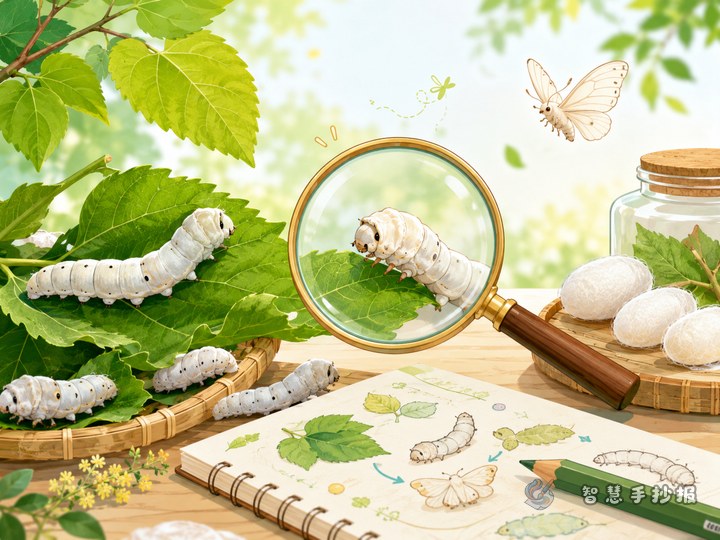
This part is perfect for a step-by-step section: egg, larva, pupa, and adult butterfly. Keep each explanation short so readers can quickly understand how a butterfly grows.
Habitat
Write about where butterflies are usually found, such as gardens, grasslands, flower beds, and sunny places with many plants. This section also connects naturally to the idea of protecting nature.
My observation record
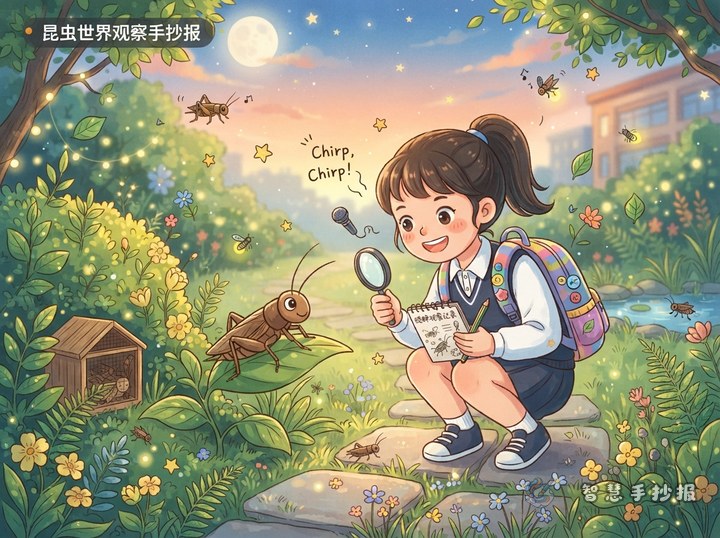
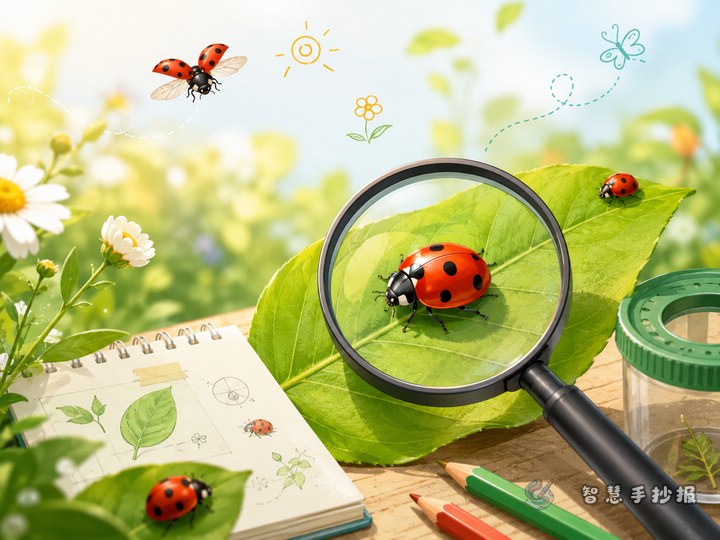
This is the most personal and interesting section. Students can note the time, place, weather, and behavior they saw, such as a butterfly landing on a yellow flower or fluttering around the same patch of grass.
Useful lines for students to write
- Butterflies are common insects with bright colors and light movements.
- The life cycle of a butterfly shows a wonderful change in growth.
- Butterflies are easier to observe where flowers and plants grow well.
- Watching quietly without catching them is a good way to learn about insects.
- Protecting plants and the environment also protects butterfly homes.
If the page still has empty space, small title phrases like “A light dancer among flowers” or “The growth journey of a butterfly” can work well.
Layout ideas that fit this theme
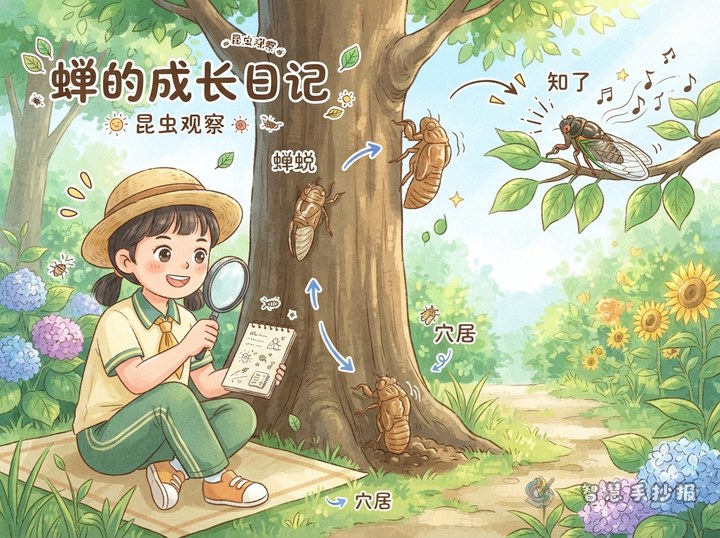
A butterfly topic looks especially nice in a symmetrical layout or a center-spread design. Place the main title in the center, add a large butterfly drawing, and divide the page into sections such as appearance, life cycle, habitat, and my findings.
- Use rounded title lettering for a softer visual feeling.
- Choose colors like green, yellow, pink, and blue.
- Decorate borders with leaves, flowers, and flying trails.
- Highlight key words such as egg, larva, pupa, and adult.
Small details that improve the whole page
Many students turn this topic into a simple information sheet, but an observation newspaper works better when it includes what was actually seen, what was learned, and why it matters. That makes the page feel more real and thoughtful.
A short ending can say that observing butterflies helped the student notice the beauty of small lives in nature and understand the importance of protecting plants and habitats.
How to polish the final draft
After finishing the first version, check whether the section titles are clear, the key words stand out, and the blank space is balanced. If you want to improve the layout further or try a cleaner page style, you can continue in the Zhihui Shouchaobao WeChat mini program.