Start with a Clear Idea: Wetlands Are Natural Water Filters
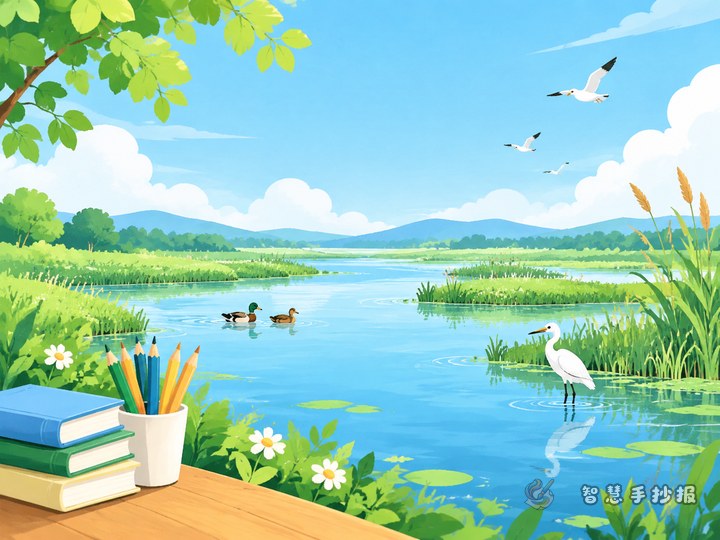
This poster should not feel like a long science article. The key message is simple: wetlands help rivers, lakes, and ponds stay cleaner. Students can draw a large water drop near the title, with muddy water on one side and clean water on the other side.
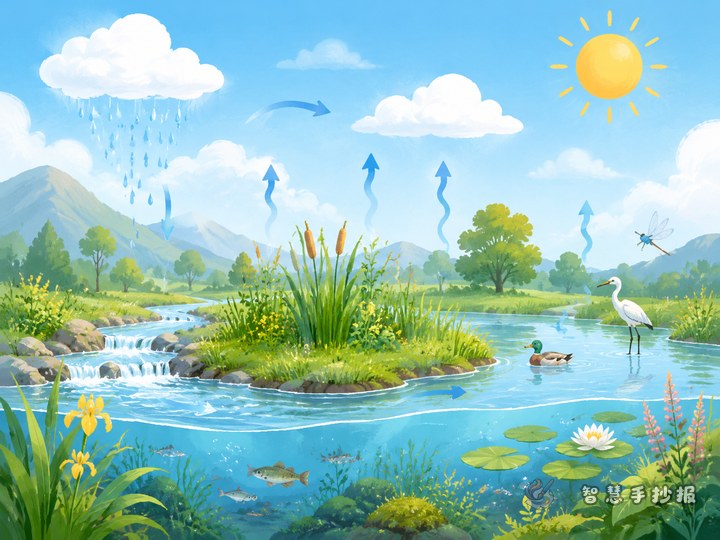
A useful opening sentence is: A wetland works like a natural water filter because it slows water down, lets sediment settle, and uses plants and tiny organisms to improve water quality. This sentence is short enough for a handwritten poster and clear enough for readers to understand quickly.
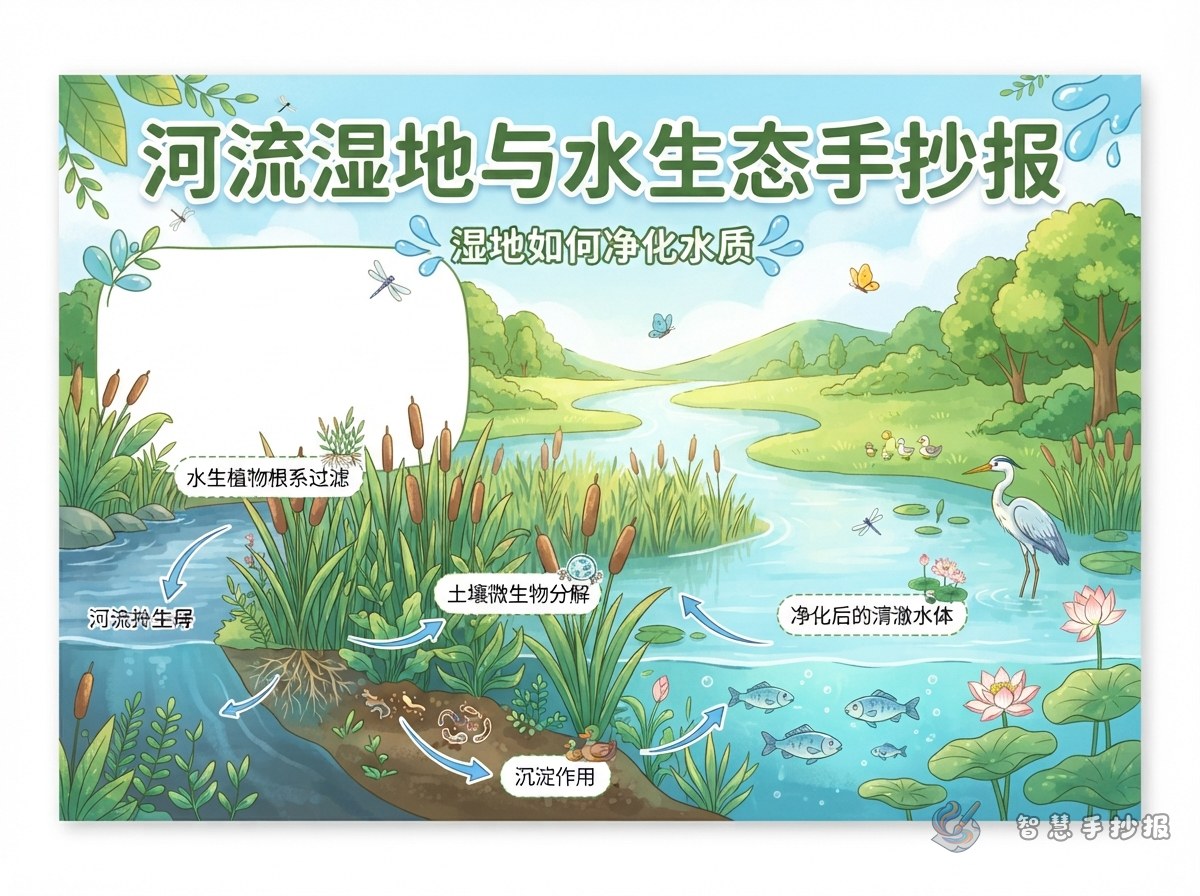
Turn the Science into a Water Drop Journey
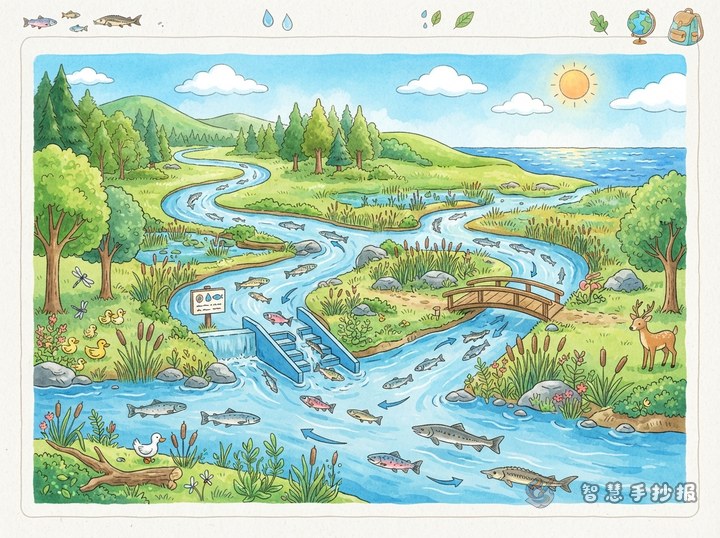
The center of the poster can show a winding stream. A small water drop travels from a river entrance through several wetland stops and finally reaches a clean water exit. This visual idea makes the topic easier to read than a large block of text.
- Stop 1: Water slows down. Slow water allows sand, soil, and small particles to sink.
- Stop 2: Plants help. Reeds, cattails, and other wetland plants take in some nutrients from the water.
- Stop 3: Tiny helpers work. Microorganisms break down some organic waste.
- Stop 4: Wildlife returns. Cleaner water creates a better home for fish, frogs, insects, and birds.
Short Text Students Can Copy
Science Note
Wetlands can be found near rivers, lakes, marshes, and shallow water areas. They store water, clean water, and provide homes for many plants and animals. Protecting wetlands is also protecting healthy rivers.
Action Box
- Do not throw rubbish into rivers, ponds, or wetlands.
- Protect reeds, lotus leaves, and other wetland plants.
- Save water at home and at school.
- Join class or community activities that care for rivers.
Poster Slogans
- Protect a wetland, keep a river clear.
- Let wetlands breathe and let water shine.
- A small water drop has a journey; a small action has power.
- Care for wetlands, care for our future.
A Fresh Layout That Will Not Look Crowded
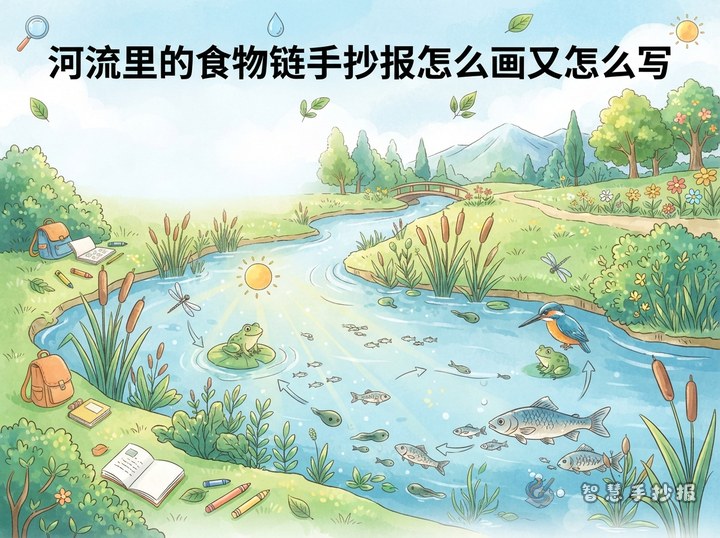
Students can divide the page into three parts. Place the main title and water drop drawing at the top, the water drop journey map in the middle, and short text boxes at the bottom. Decorative borders can include waves, reeds, lotus leaves, fish, and dragonflies, but the writing spaces should stay clear and easy to read.
Use light blue for water, green for plants, and a small amount of warm yellow for sunlight and section labels. If students want more help with organizing text and layout, they can continue in the 智慧手抄报 WeChat mini program and turn the theme into a neat handwritten poster plan.
Small Details That Make the Poster Better
- A focused theme: Keep the poster centered on wetland water purification.
- A clear process: Use arrows to show how muddy water becomes cleaner.
- Practical actions: Include things students can do in daily life.
- Good visual balance: Leave enough blank space and keep drawings, titles, and text boxes in the same style.