Start with Coming-of-Age Rites
Ancient Chinese rites and music can feel abstract, but the topic becomes much easier when you focus on coming-of-age ceremonies. The capping ceremony for young men and the hairpin ceremony for young women were traditional rites that marked a new stage of life. They reminded young people to act with respect, self-discipline, and responsibility.
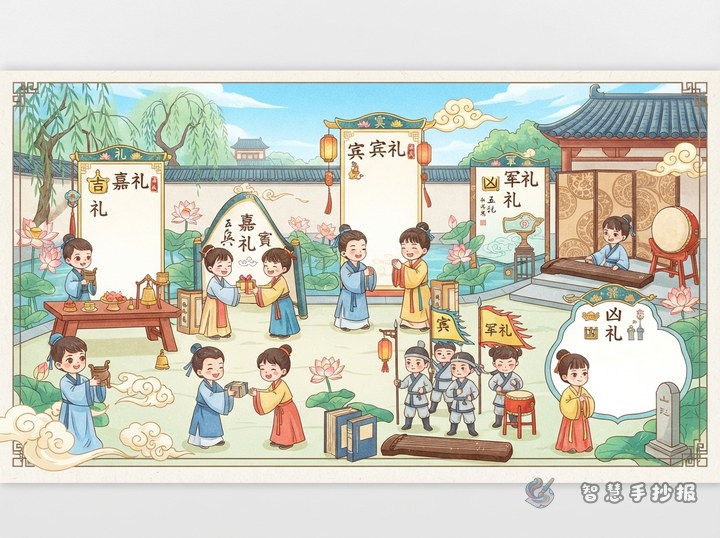
For a handwritten newspaper, this angle is clear and visual. Students can draw a respectful bow, a hairpin, a ceremonial cap, elders giving advice, and simple musical instruments to show how rites and music worked together.
Four Useful Sections for the Page
Section One: What the Ceremonies Mean
The capping and hairpin ceremonies were not only about changing hairstyles or accessories. They showed that a young person was growing up and should learn to follow proper manners, respect others, and take responsibility in family and society.
Section Two: The Role of Rites
Rites gave the ceremony order and dignity. Arranging clothing, bowing to elders, and listening to teachings all showed respect. A simple sentence for the page is: Rites teach people how to behave with respect and balance.
Section Three: Why Music Was Included
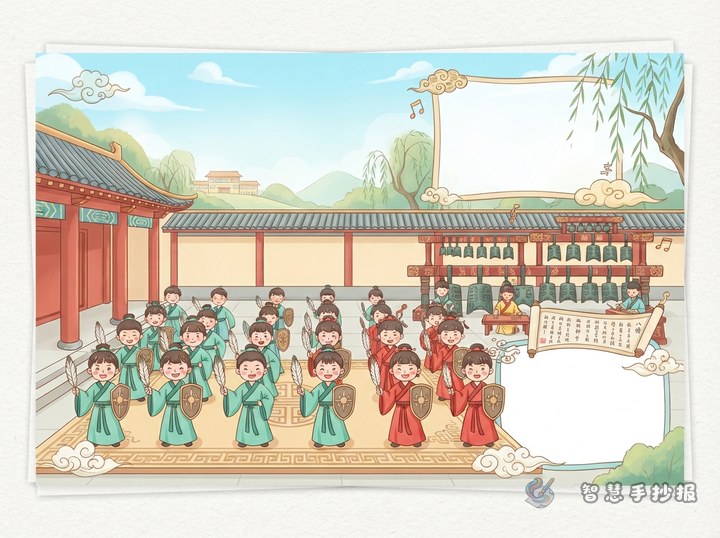
Music helped create a calm and solemn atmosphere. Rites guided behavior, while music softened the heart and brought harmony. Together, they reflected the ancient Chinese ideal of an orderly and beautiful life.
Section Four: What We Can Learn Today
We may not hold these ancient ceremonies today, but their spirit is still meaningful. Students can learn to respect elders, keep promises, follow rules, and become more responsible as they grow.
Short Sentences Students Can Copy
- Rites and music in harmony: rites guide actions, and music nurtures the heart.
- Growing up is more than age: it means learning respect and responsibility.
- Neat dress and proper behavior: ancient rites taught people to improve themselves through details.
- Stand with rites, grow with music: this is a gentle lesson from traditional culture.
- Ancient wisdom for today: bring respect, honesty, and responsibility into daily life.
Design the Layout Like a Small Ceremony
Place the title at the top or in the center, using a clear phrase such as “Rites and Music in Ancient Coming-of-Age Ceremonies.” In the middle, draw a person bowing or receiving a ceremonial cap or hairpin. Around the picture, add sections about the meaning of rites, the role of music, useful quotes, and lessons for today.
- Use soft colors such as ivory, red, green, or light brown for a classical but bright look.
- Decorate the border with bamboo slips, cloud patterns, jade pendants, bells, or small drums.
- Do not fill the whole page with text; leave some white space to make it easy to read.
- Younger students can draw more pictures, while older students can add a short explanation of how rites and music work together.
A Simple Making Tip
Before drawing, divide the page into four parts: a knowledge card, a main scene, a quote area, and a lesson section. If you want to continue arranging the content and layout, you can use the Zhihui Handwritten Newspaper WeChat mini program to make the topic easier to complete.