Pick a Clear Message for Your Poster
A food-saving handwritten newspaper poster works best when it has one clear idea: cherish every grain and refuse waste. Instead of writing broad environmental slogans only, connect the topic to daily meals, lunch at school, and family dining habits. This makes the poster easier for children to understand and more practical to complete.
You can choose one of these directions: why food should not be wasted, what food waste looks like in everyday life, or how students can practice the clean-plate habit. Keeping one main direction will make the whole page more focused.
Useful Sections to Include
If you do not know how to organize the page, divide the poster into several small sections. Each part can be short, clear, and student-friendly.
- What is the Clean Plate Campaign: explain that it encourages people to finish meals reasonably and avoid wasting food.
- Why Saving Food Matters: connect food to farmers' hard work, natural resources, and good habits.
- Common Waste Around Us: list leftovers, ordering too much, picky eating, and throwing away edible food.
- What Students Can Do: take only what you can finish, reduce leftovers, and remind family members gently.
- Slogans and Quotes: add short phrases to brighten the layout.
Short Text Materials You Can Write
For elementary school posters, simple language is better than long essays. You can write a small introduction like this:
The Clean Plate Campaign means eating in a reasonable way and not wasting food. A bowl of rice, a piece of bread, and every vegetable all come from hard work. Saving food is not only a good dining habit, but also part of low-carbon living and caring for the environment.
You may also add practical lines such as: order the right amount, finish your meal, do not be picky, and turn saving food into a daily habit. These sentences are short and suitable for copying into the poster.
Layout Ideas That Look Neat and Lively
For the page design, place the main title in the top center, such as Clean Plate Campaign Starts With Me or Say No to Food Waste. Use warm colors like green, yellow, and orange to create a fresh and friendly feeling.
You can make the page in a dining-table style: one block for key points, one block for slogans, one block for small actions, and one block for a short conclusion. If the student is younger, use larger headings and fewer words in each section so the page stays clean and readable.
Practical Tips for Finishing the Poster
- Choose one central title and do not make the topic too broad.
- Prepare 3 to 5 short sections before writing on the final paper.
- Use short paragraphs and bullet points to avoid crowding the page.
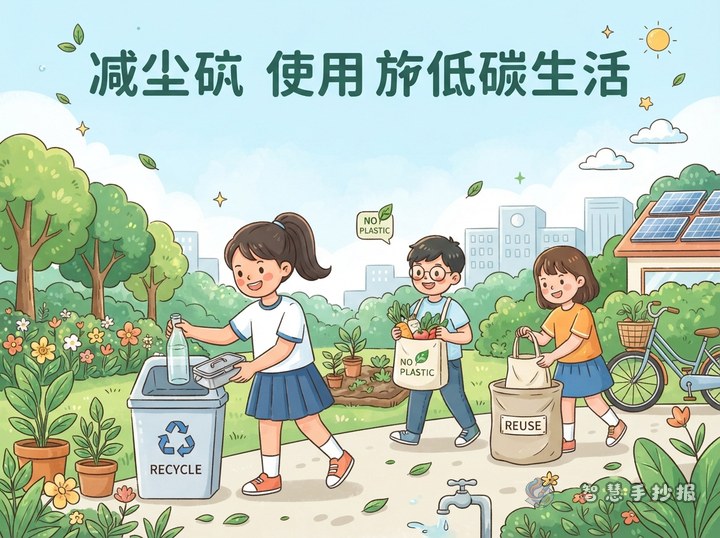
- Add simple drawings such as rice bowls, wheat, plates, or lunch trays.
- Check whether the handwriting, spacing, and section order are clear.
If you want to continue arranging sections and polishing the visual style, you can also explore more poster ideas in the WeChat mini program of Zhihui Shouchaobao.