Turn a Storytelling Contest into a Handwritten Newspaper Theme
This topic is not only about copying a story summary. A good handwritten newspaper should show how to choose a story, how to tell it clearly, and how to use voice, facial expressions, and simple gestures. Possible titles include Little Storyteller, Make My Story Come Alive, or Storytelling Contest Practice Board.
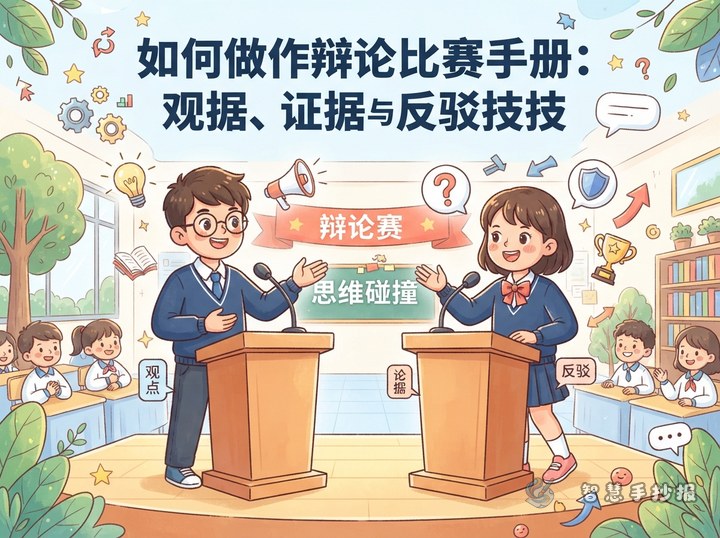
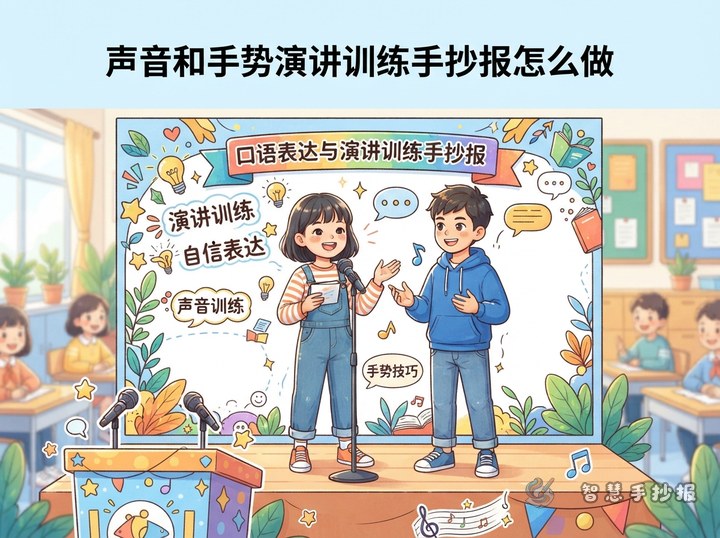
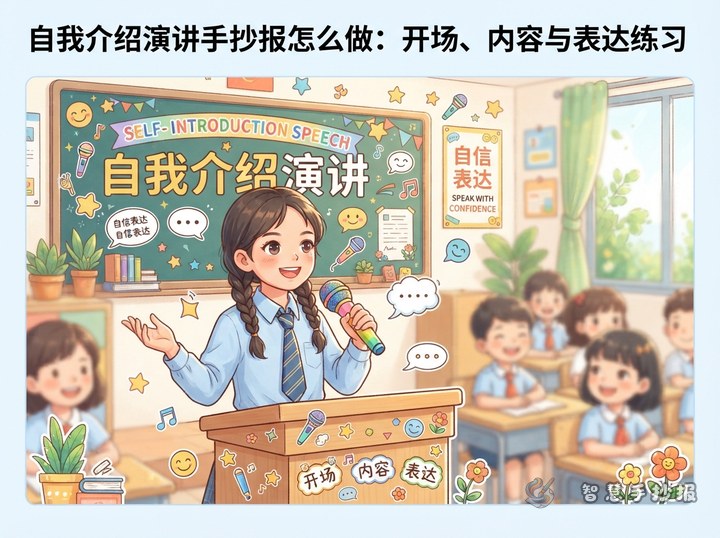
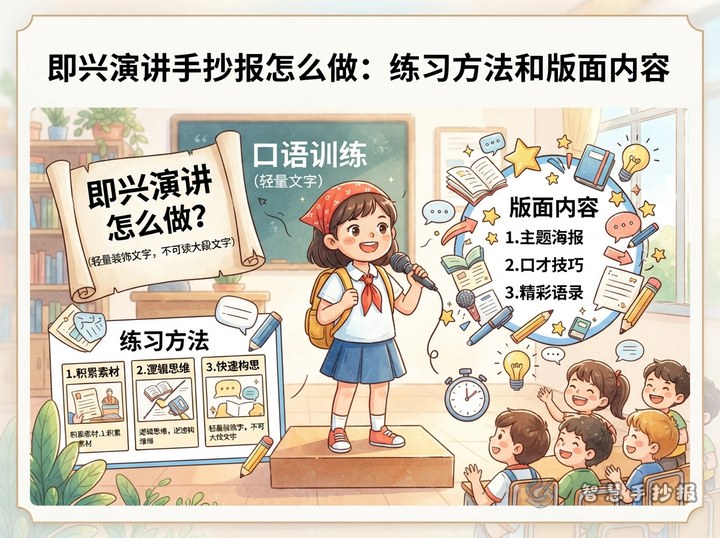
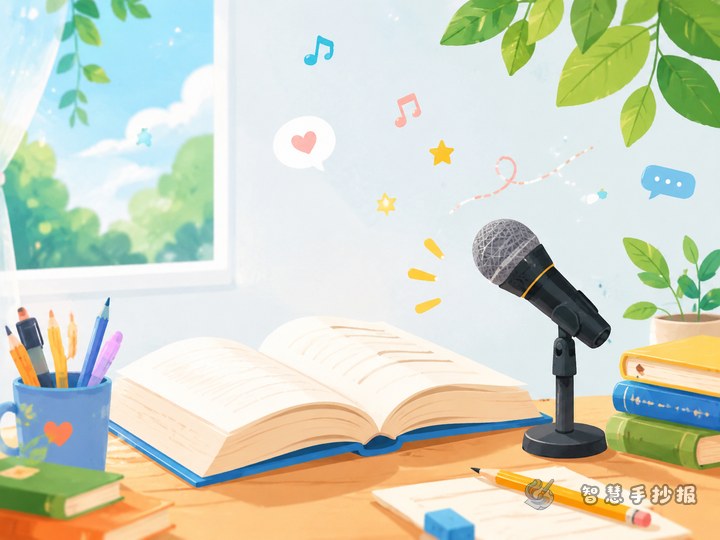
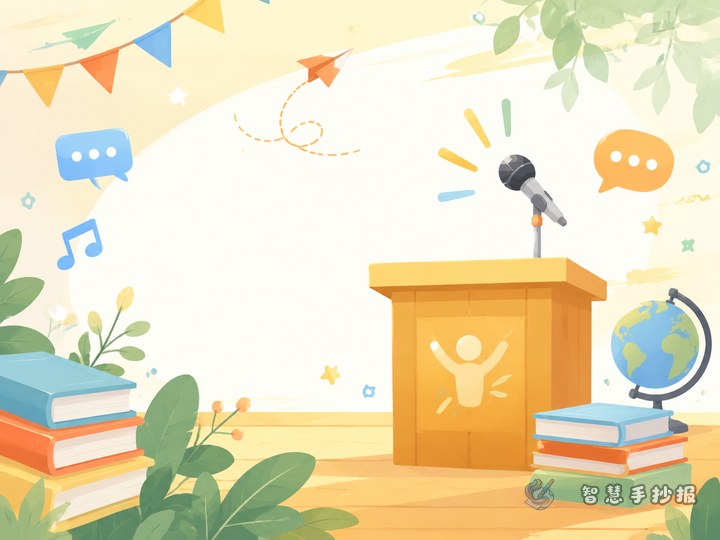
Use bright elements such as a small stage, a microphone, an open book, stars, speech bubbles, and expressive characters. These details make the page feel connected to speaking practice instead of becoming only a fairy-tale drawing.
Useful Sections to Put on the Page
- How to choose a story: Pick a story with a clear beginning, middle, and ending. Do not choose too many characters, and make sure it can be told within the time limit.
- Three steps to tell it well: Speak loudly, keep a steady speed, and slow down when you reach the most important sentences.
- Expression and gestures: Use natural facial expressions. Change your tone a little for different characters, but avoid acting too much.
- Stage manners: Greet the audience first, stand straight, say thank you at the end, and pause calmly if you forget a line.
Short Text Materials Ready to Use
A simple opening line
Before telling a story, you can begin with: “Today, I would like to take you into a brave, warm, and interesting story.” The opening does not need to be long. Confidence and clarity matter most.
A practice rhyme
Look ahead, speak out loud; keep your pace, do not rush; slow down for key lines; smile and move naturally; end with thanks and a bow.
My storytelling practice card
Story title: My favorite story. Main character: Who matters most? Plot: What happened? Best sentence: Which line do I want to say well? Practice goal: Today I will make my voice clearer.
Layout Ideas for a Clear Page
Draw a small stage or an open storybook in the center. Put “How to choose a story” on the left, “Three steps to tell it well” on the right, and place a “practice card” and “stage manners” section at the bottom. Decorate the borders with stars, sound waves, microphones, or simple book patterns.
Blue, orange, and yellow are good color choices for a lively look. Keep each text block short, around three to five sentences, so elementary students can copy and present the content easily.
Three Questions Before You Start
- Is this page for preparing for a contest or for reviewing what you learned after the contest?
- Do you want to focus on voice, expression, gestures, or stage manners?
- What will be the main visual element: a microphone, a storybook, or a small stage?
After deciding the direction, you can continue designing in the Zhihui Handwritten Newspaper WeChat mini program. Choose a suitable layout, then add the sections and materials above to make the page neater and faster to complete.