Start with the Body's Warning Signs
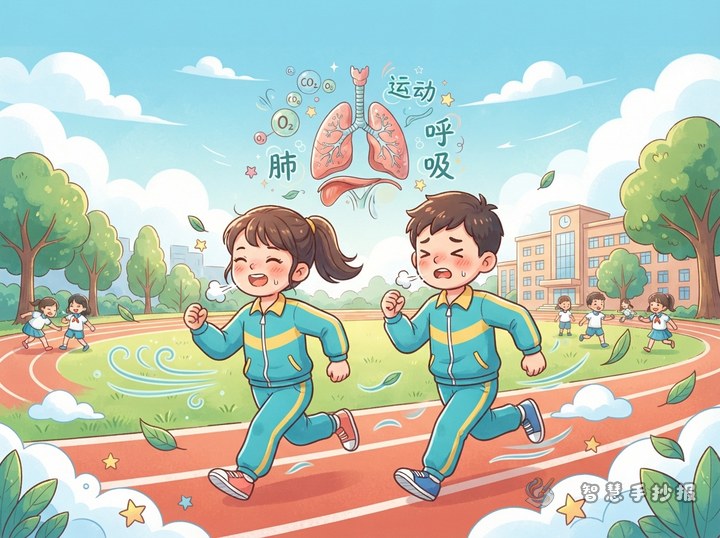
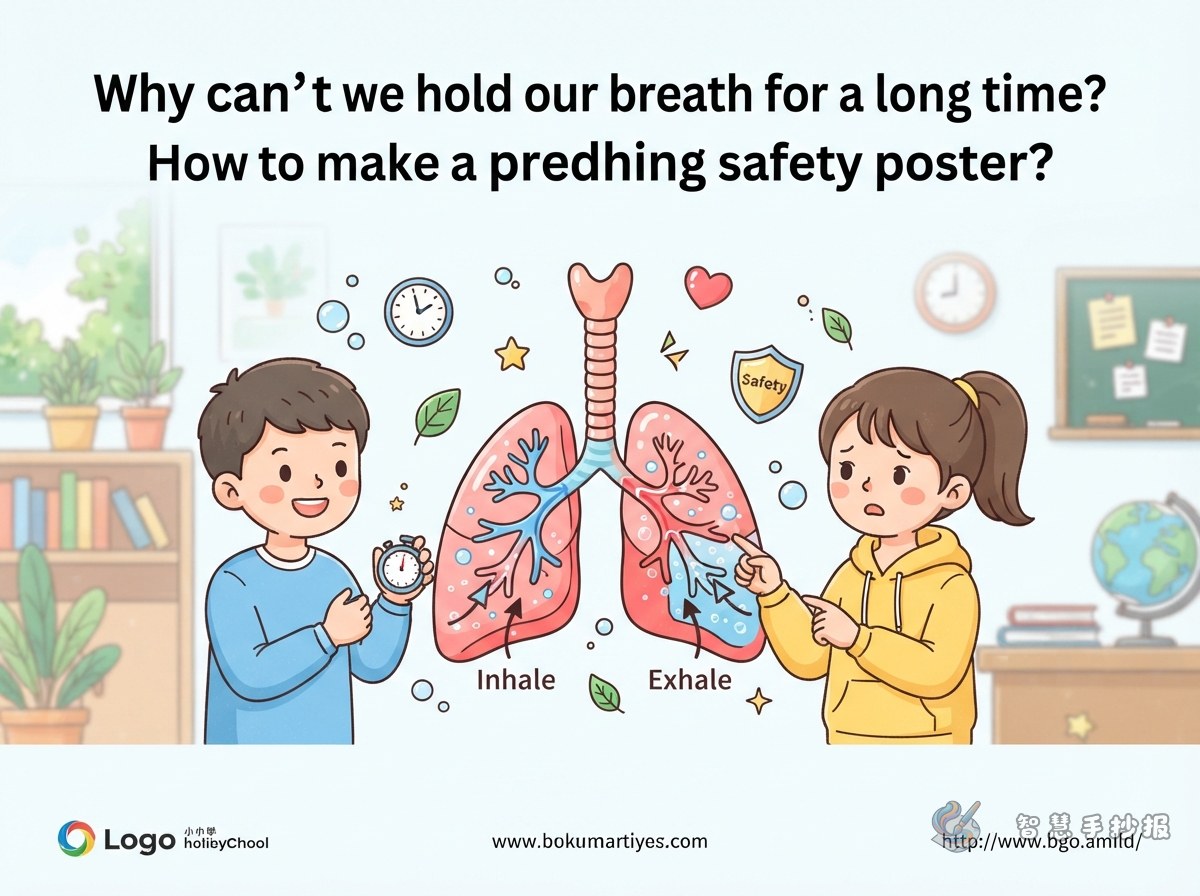
Holding your breath may look like a challenge, but your body is sending signals the whole time. Breathing brings oxygen in and takes carbon dioxide out. When you hold your breath, carbon dioxide builds up in the blood.
After a while, the breathing center in your body tells you to breathe. You may feel tightness in your chest, warmth in your face, or a strong urge to gasp. This is not a sign of weakness; it is your body protecting you.
Choose Simple Sections for Your Poster
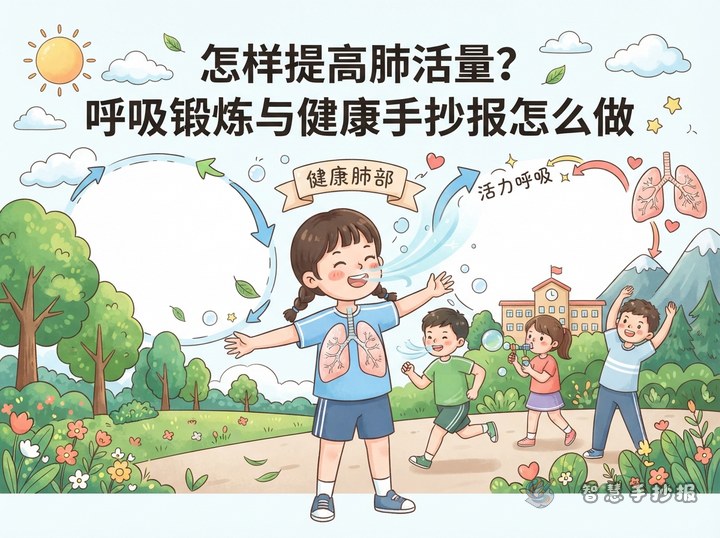
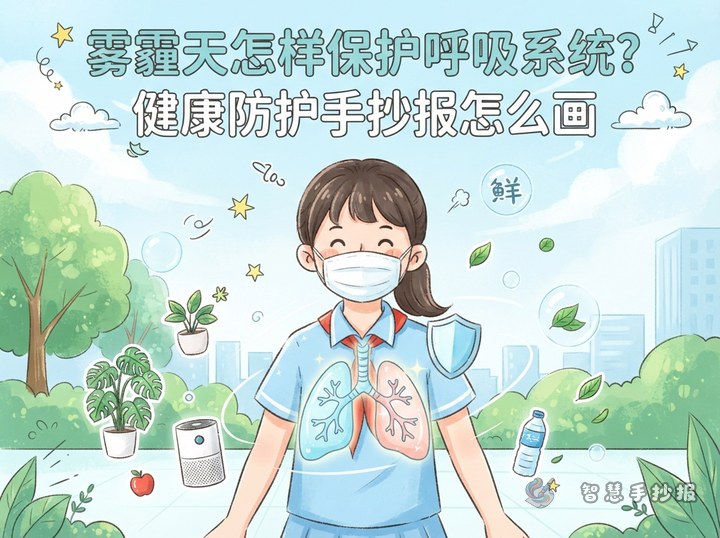
A respiratory safety poster works best when it is divided into a few clear sections. You do not need to cover everything at once.
- Main title: Try “Don't Turn Breath-Holding into a Contest” or “Respiratory Safety Guards.”
- Body facts: Explain oxygen and carbon dioxide exchange in two or three sentences.
- Warning signs: List dizziness, chest tightness, fast heartbeat, and flushing.
- Safe observation: Record a gentle breathing or lung capacity activity.
- Action promise: Write “I will not hold my breath alone in water.”
Draw the Air Path as a Journey
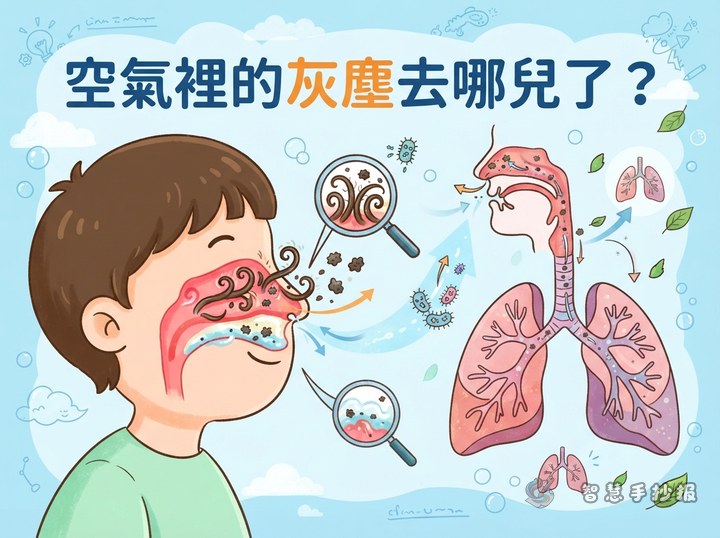
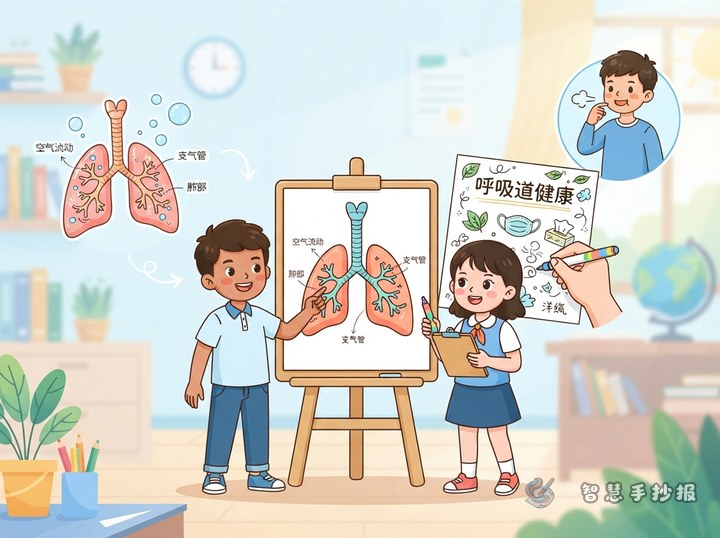
In the center or along one side, draw a curved path that starts at the nose and travels through the pharynx, larynx, trachea, bronchi, and into the lungs. Use different colors for oxygen going in and carbon dioxide going out.
Add small speech bubbles beside the path. The nose warms and filters air. The trachea is like a tunnel. The lungs look like two soft sponges. This makes the poster easy to understand and visually interesting.
Try a Safe Lung Capacity Observation
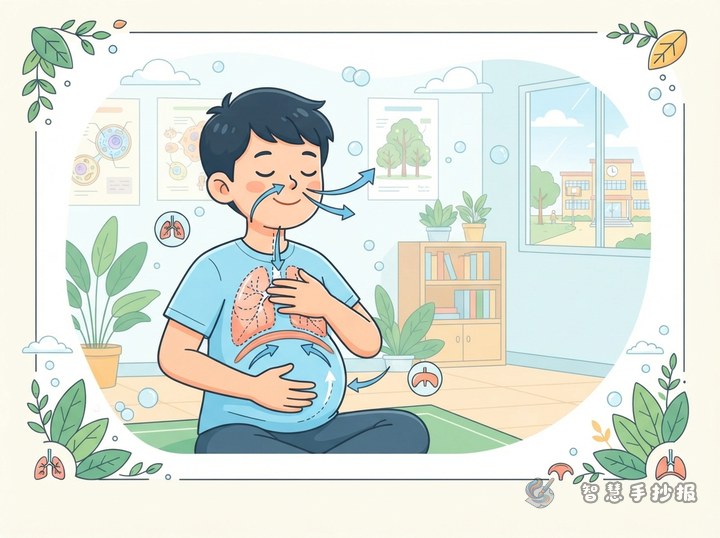
Lung capacity is the amount of air you can breathe out after a deep breath. You do not need exact numbers on a school poster. Instead, record a calm breathing observation.
- Place a clean piece of paper on the desk.
- Take a slow deep breath and blow gently to move the paper.
- Write one sentence about how it felt, such as “Slow breathing felt easier than blowing hard.”
- Remind readers that any breathing practice should be supervised by an adult.
Make the Layout Clear and Bright
Put the title at the top center. Place the air path diagram on the left, and use the right side for warning signs and safety tips. Leave a strip at the bottom for “My Breathing Observation Diary.” Blue, green, and light yellow work well for air, health, and sunlight.
Do not crowd every space with words. Leave small gaps between sections. Use bold or colorful boxes for key words such as carbon dioxide, oxygen, and never hold your breath alone.
Add a Short Safety Chant
A simple chant can help classmates remember the message:
- Holding breath is not a test, stop if you feel dizzy or tight.
- Swim with adults, never practice alone.
- Breathe in slowly, breathe out calm, keep your lungs healthy and strong.
After finishing your text and drawings, open the WeChat mini program “Smart Handwritten Newspaper” to choose a respiratory health layout and continue arranging your poster.