Narrow the Topic to One Clear Question
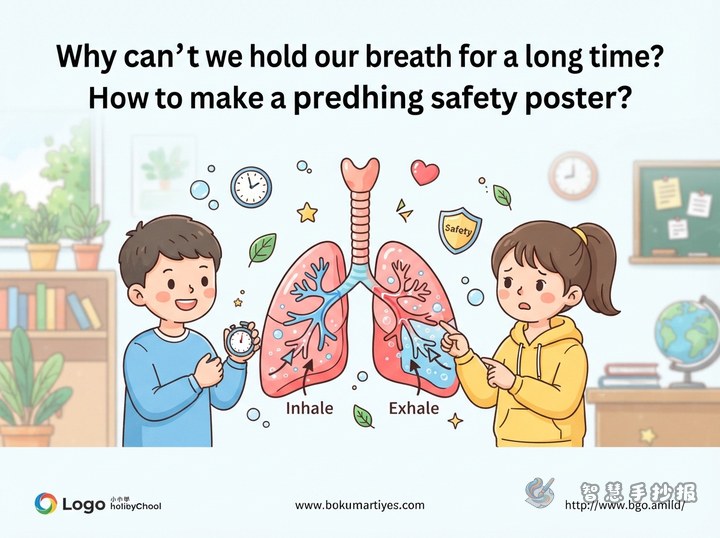
Respiratory science is a huge subject, and a poster that tries to cover everything ends up crowded. This poster works best when it answers a single question: what is lung capacity, and how can I train it step by step? A focused question gives the title, the drawings and the columns one clear direction.
Three possible angles
- What one deep breath can do: balloons, candles and stair climbing all depend on how deeply we breathe.
- Why exercise changes breathing: running, skipping and swimming make the chest open and close again and again.
- Everyday lung care: fresh air, staying away from smoke, good posture and regular sleep.
Try a question-style title such as "Is your lung capacity enough?" or "How strong is one breath?" It invites classmates to stop and read.
Science Lines You Can Copy onto the Page
Keep this section short. These sentences can be used as they are or rewritten in your own words:
- Lung capacity is the total amount of air you can breathe out after breathing in as much as possible. It depends on how stretchy the lungs are and how strong the breathing muscles are.
- Everyone's lung capacity is different. Age, height and how much you move all play a part, so there is no need to compare yourself with others.
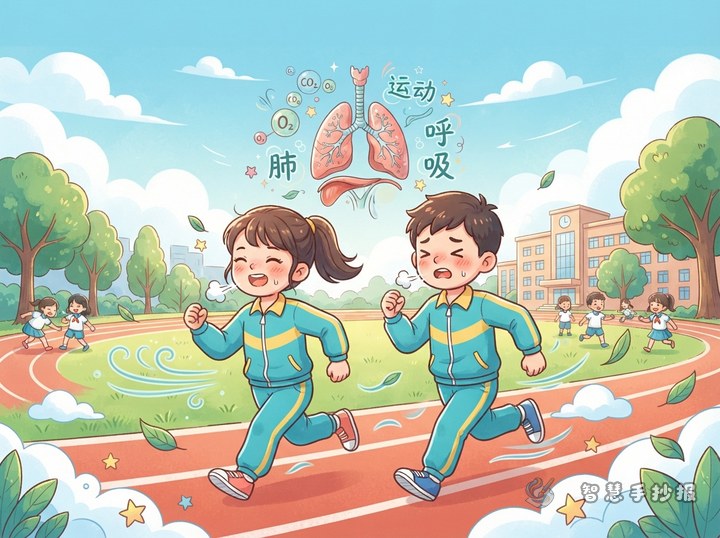
- People who exercise regularly usually breathe more deeply and steadily, and get less out of breath during PE.
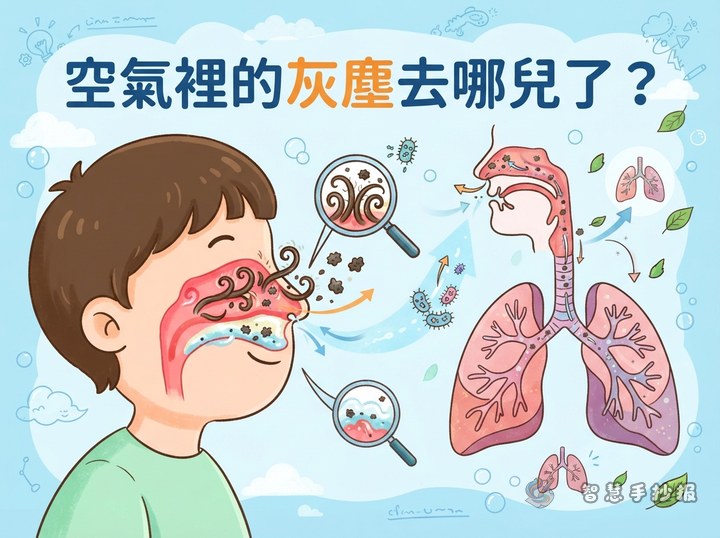
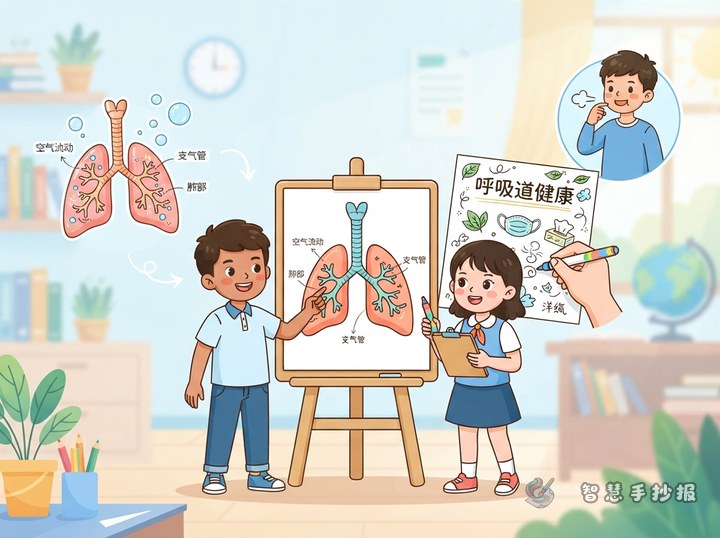
- Breathing is not only the lungs. The nose, windpipe, ribs and diaphragm all work together.
- Clean air and healthy daily habits keep breathing comfortable.
A simple lung-care checklist
- Open the windows every day so fresh air comes in.
- Do not smoke, and stay away from second-hand smoke.
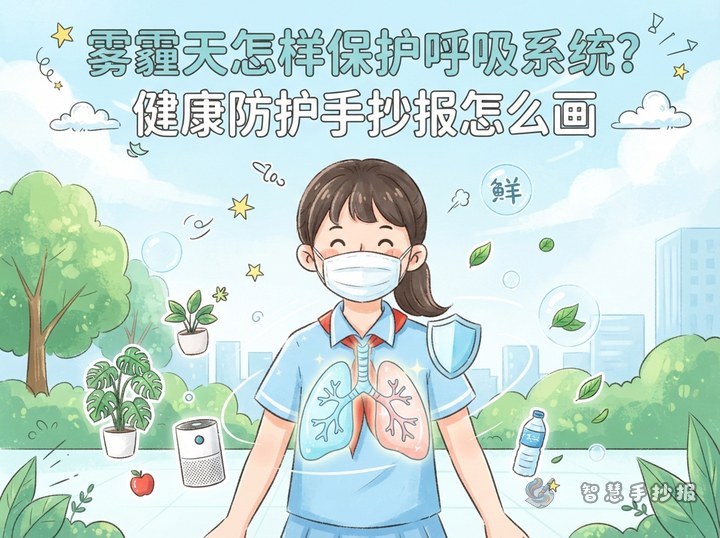
- Wear a mask on hazy days or when pollen is heavy.
- Warm up before exercise and walk slowly afterwards instead of stopping suddenly.
- Sit upright and avoid hunching over books for hours.
Add a Hands-On Breathing Corner
Save one small area for an experiment card. These three activities are safe and easy to run:
- Balloon blow: take one deep breath and blow the balloon up slowly. See how big it gets in one breath, without forcing it.
- Paper puff: place a thin sheet of paper on the desk edge and move it with a steady stream of air. Who can keep it moving longest?
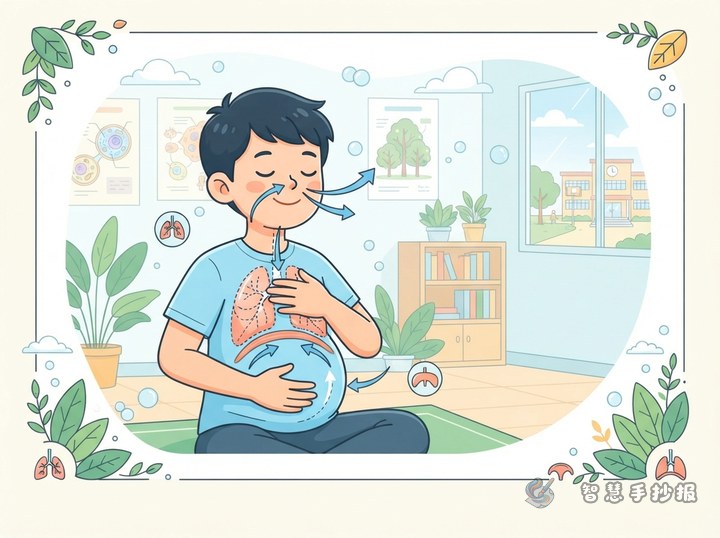
- Slow counting breath: breathe in, then breathe out slowly while counting. Note your number and try again in a week.
A small table for "date, activity, result" fills the space neatly and shows your progress over time.
Layout: One Picture, Two Columns, One Table
A tidy plan that never gets messy:
- Main picture: a pair of lungs or a silhouette of someone running or breathing, placed on the left or slightly above centre.
- Top box: a cloud or rounded frame explaining what lung capacity is.
- Middle columns: one for "how to train it", one for "healthy habits", in a size smaller than the headings.
- Bottom strip: the data table plus one closing sentence.
Use blue, teal, green and white as the main colours, dark headings and thin borders, and leave some empty space so the page feels airy rather than packed.
Decoration ideas
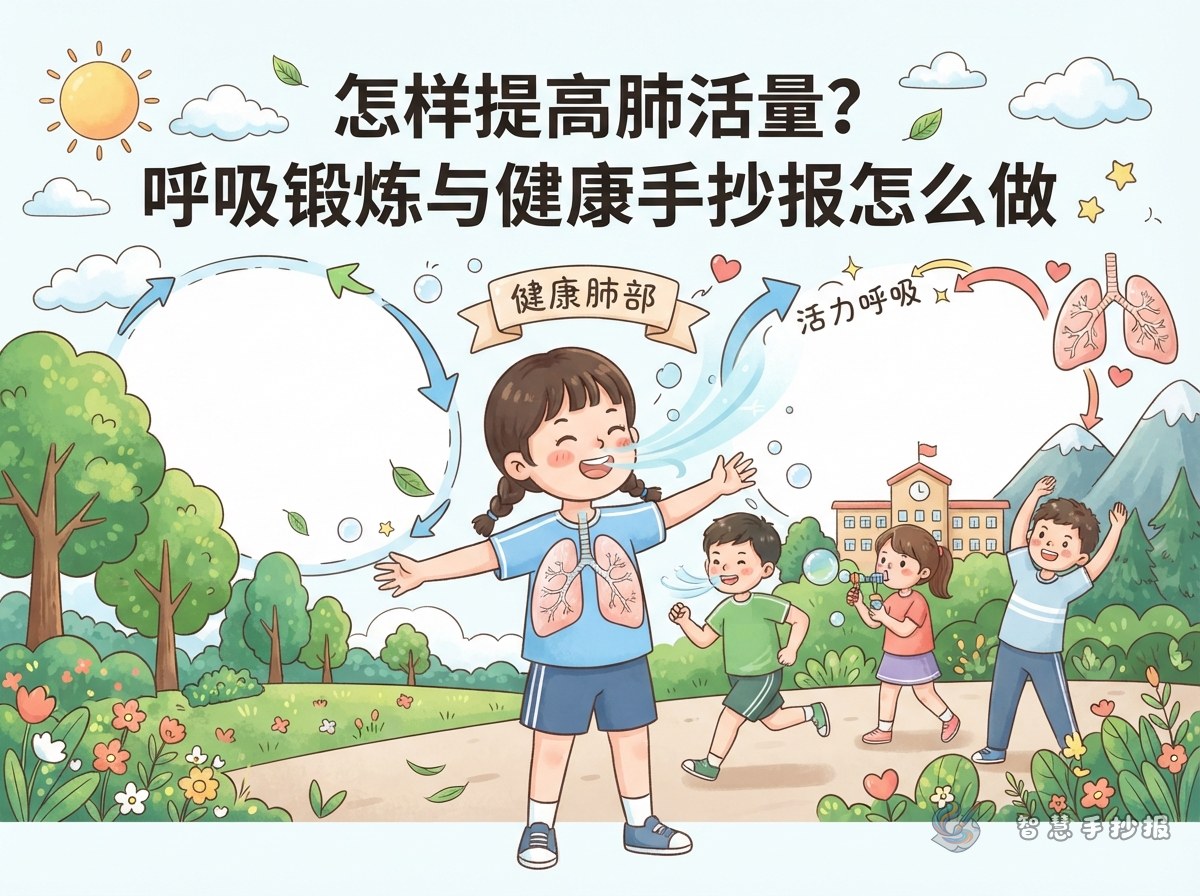
Draw the lungs with soft cotton-like curves, show airflow with curved arrows or wavy lines, and sprinkle in balloons, pinwheels and green leaves. A few small leaves on the corners of each text box make the theme feel consistent.
Make the Poster Something You Actually Use
Once the writing and drawing are done, run the little experiments yourself and add the results to the table. Suddenly the poster becomes your own breathing record instead of just homework. If you would like more respiratory-themed frames, heading styles and page layouts, open the WeChat mini program and search for 智慧手抄报 to pick a template and finish your work.