Pick One Theme Sentence First
Most National Day handwritten newspapers do not fail because of weak drawing skills. They fail because the parts do not connect: a wish on the left, a copied news line on the right, and fireworks in the middle. Before you start, write one sentence that sums up the whole page, such as I am proud of my country, how my hometown has changed, or a thank-you to the people who keep things running. Every fact, short line, and picture should support that sentence.
Three theme directions that work well
- A wish: say something warm and simple to the country.
- An observation: describe a real change you can see, such as a new road or a cleaner park.
- A tribute: write about ordinary people who do their work well, linking the holiday to daily life.
Three Kinds of Text You Can Put on the Page
Basic facts
Keep a small fact box somewhere on the sheet. You can include the founding date of the People's Republic of China, 1 October 1949; the national flag, a red field with five yellow stars; the national anthem; and the elements of the national emblem, including Tiananmen, a gear, and ears of wheat. Short labels are enough, so do not turn this box into a long list.
Short wishes
- May our country prosper and our people live in peace.
- May the land stay beautiful and the days stay calm.
- May every effort be seen and valued.
Personal observations
One honest sentence often moves readers more than a page of slogans. You could write that your grandfather used to walk on a dirt road and now a bus stops near the village, or that a new flag was put up at the gate of your neighborhood. Small, true details give the newspaper warmth.
Planning the Layout With Three Uneven Blocks
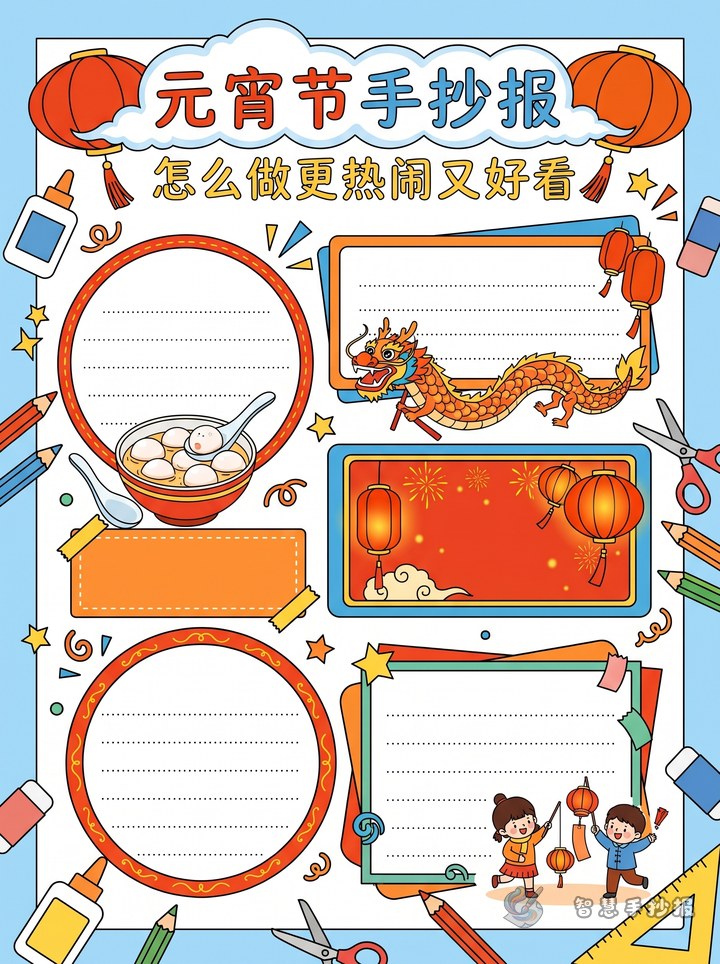
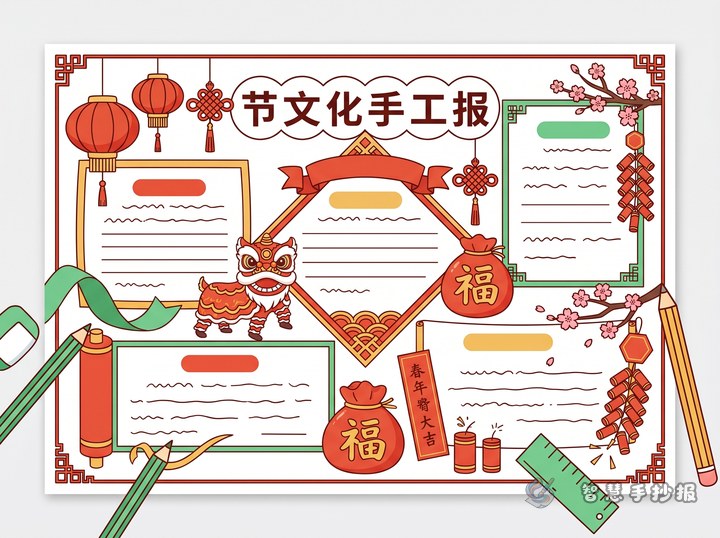
Picture the sheet as three areas: a title band at the top, a main text area on the middle left, and a fact card or illustration area on the right or at the bottom. Put the theme sentence and your most important lines in the main area, the basic facts in the card, and flags, balloons, or wheat ears in the illustration area. The three blocks should not be the same size, because the main text block needs to be the largest to create a clear focus.
Color advice
Let red lead, use gold as an accent, and keep white space. A sheet that is fully colored in red can feel heavy, so let the red appear mainly in the title, the border, and a few small blocks instead of everywhere.
Easy decorative elements
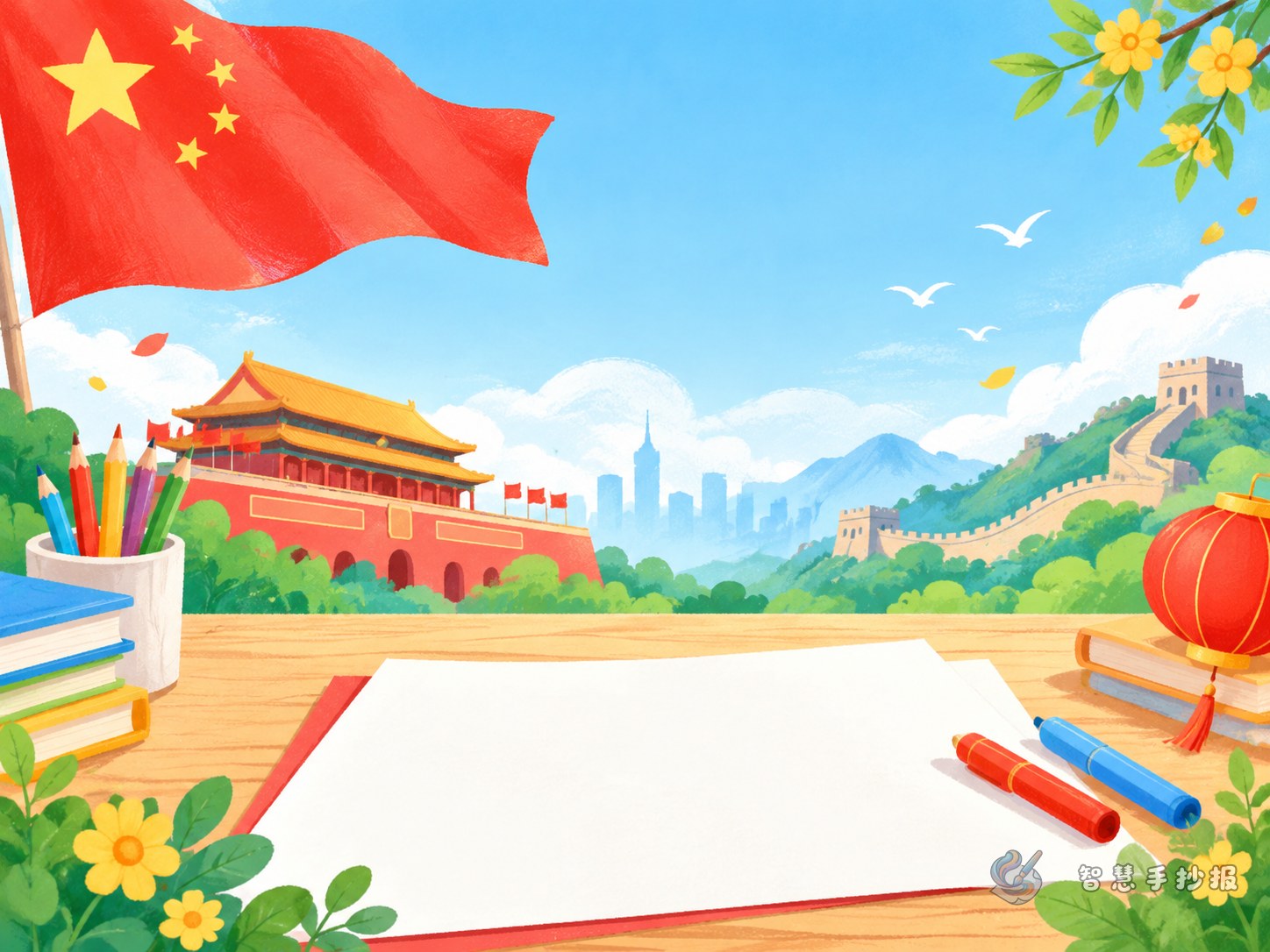
- A national flag: draw the pole and a wavy edge, and check the position and size of the stars.
- Wheat ears or a repeating pattern: run them along the border for a tidy look.
- Balloons and doves: place them in the corners, never over the text.
Color, Title Lettering, and Border Details
The title is the first thing a reader sees. You can draw the two main characters as outline letters, trace them in red, fill them with gold, and add a thin black line around the outside. The border does not need to be complicated; a repeated wave line, small stars, or wheat ears look good and are quick to draw. Keep the text on straight guide lines by sketching light pencil lines first, writing over them, and erasing the pencil at the end.
Two-Minute Check Before You Hand It In
- Is the title centered and clearly larger than the body text?
- Are there any spelling mistakes, especially in the names of the flag and the anthem?
- Is the date written correctly as 1 October?
- Are your class and name written in a corner without leaving an empty box?
If you would rather not erase and redraw your draft several times, open the Wisdom Handwritten Newspaper mini program in WeChat, choose a festival layout, and either print it to trace or copy the arrangement by hand. It saves a lot of time on planning the page.