Start with a plant that is easy to observe
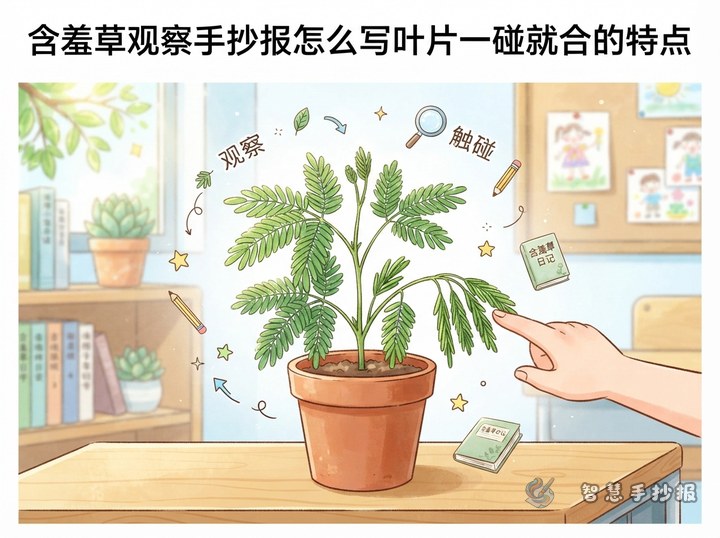
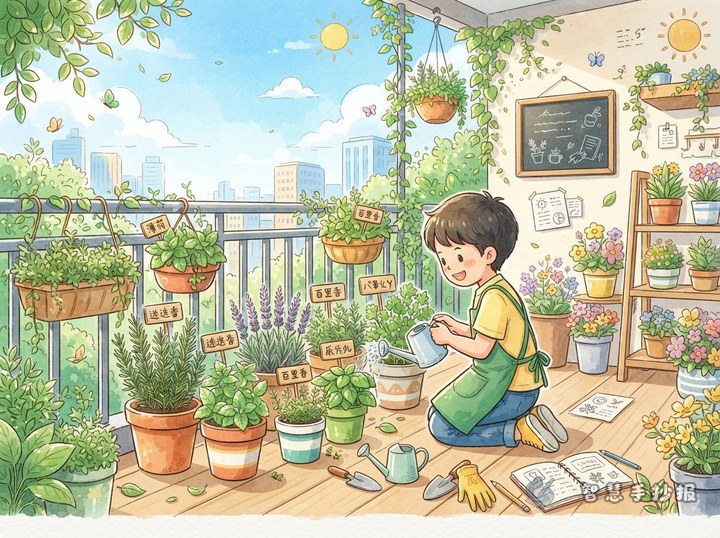
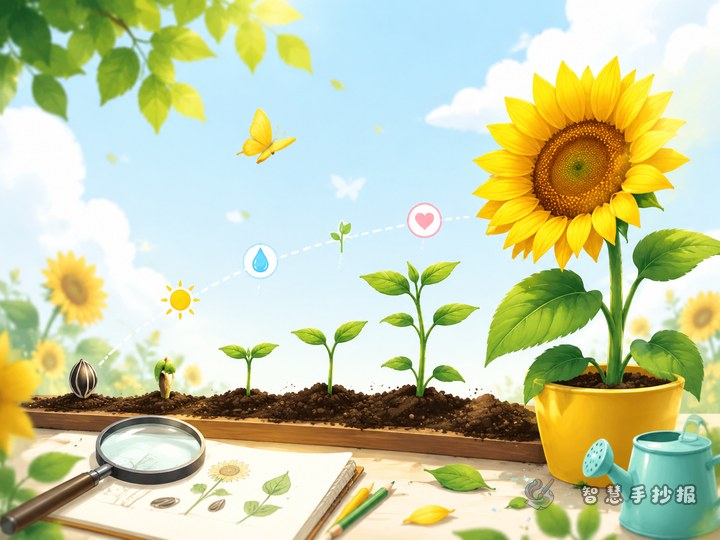
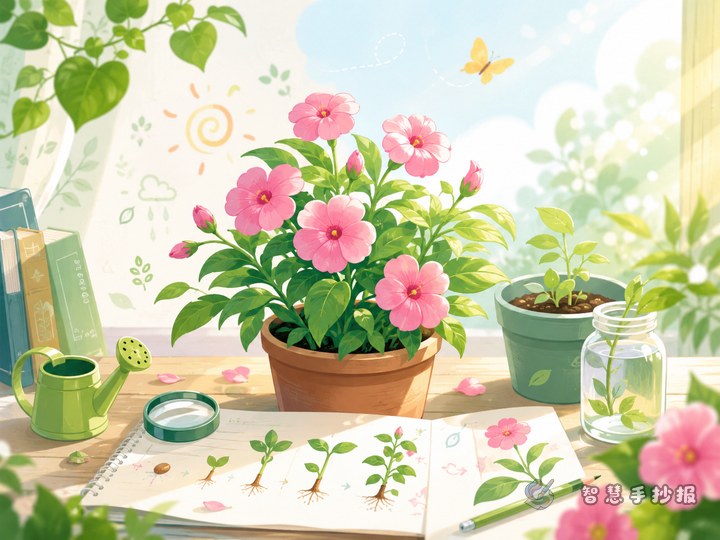
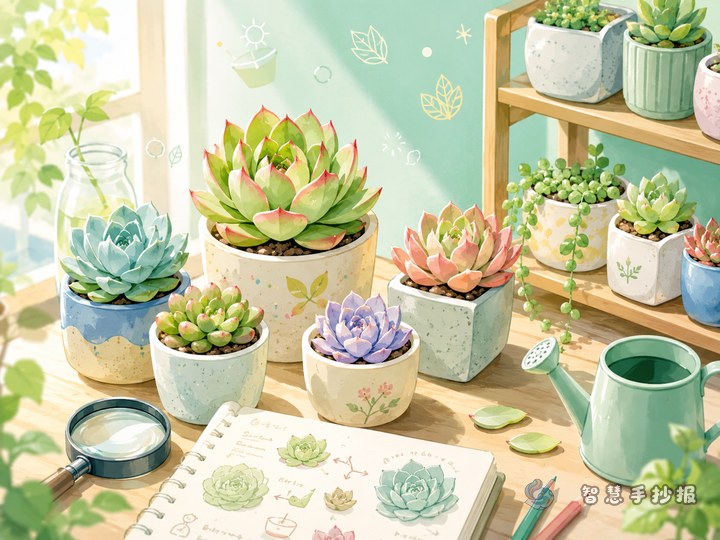
To make your handwritten newspaper both authentic and attractive, choose a plant that is easy to watch over several days, such as garlic shoots, succulents, sunflower seedlings, cherry tomato seedlings, or a simple potted plant. Instead of only copying plant facts, focus on what you personally observed. That makes the page more vivid and more suitable for school display.
Your topic can center on ideas like “What happened after the seed sprouted,” “My one-week gardening observation,” or “Changes in my potted plant.” A focused topic makes the whole layout clearer.
Useful sections for the page
A good layout can be divided into four or five small sections so the content is easy to read and decorate.
- Plant profile: plant name, planting date, place of observation, and watering method.
- Daily or weekly record: note the height, number of leaves, color changes, and whether it sprouted.
- Growing conditions: explain how sunlight, water, soil, and temperature affect growth.
- What I discovered: for example, “The leaves stood up better in bright light” or “The plant drooped when it lacked water.”
- Green care tips: do not pick leaves, water on time, and protect plants on campus.
If you have more space, you can also add a section called “Questions I still want to study” to make the page feel more exploratory.
Short text materials you can use
These simple sentences work well in a student handwritten newspaper.
- Plants need sunlight, water, air, and a suitable temperature to grow.
- I learned that plants do not grow all at once. They change little by little every day.
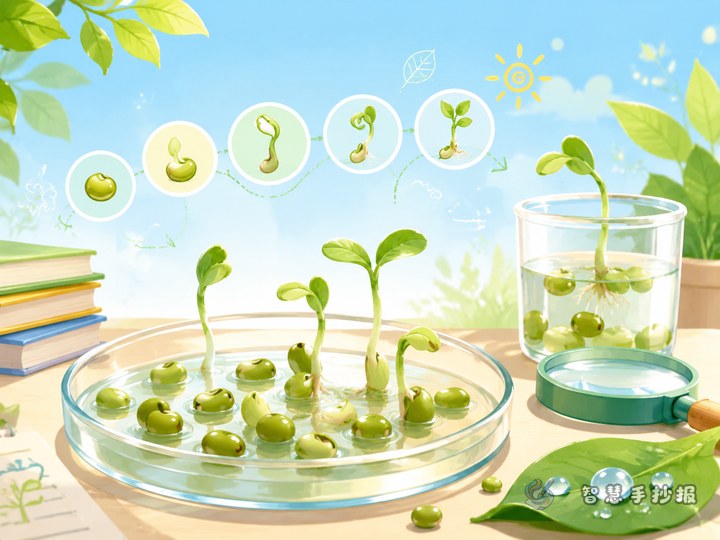
- When a seed first sprouts, the young shoot is light in color and soft in texture.
- Continuous observation helps us understand the process from seed to seedling.
- Gardening observation teaches not only knowledge but also patience and responsibility.
- Caring for a plant is also a way of respecting life.
You can make the writing more vivid by adding your own real notes, such as “On day 3, I saw white roots” or “On day 6, the leaves became darker green.”
How to design the layout
This theme works especially well with a “growth path” style. Put the main title in the center or at the top, then arrange the sections around it so the page feels like a growing plant.
- Place the main title at the top and shape the letters like leaves, vines, or a flowerpot.
- Put the observation diary on one side in time order so readers can follow the changes clearly.
- Use the other side for plant facts and care tips as a supporting knowledge area.
- Leave space at the bottom for your feelings or a short message about protecting plants.
Good decorations include leaves, flowers, seeds, watering cans, fences, suns, and water drops. Green, light yellow, and brown create a fresh and natural color scheme.
How to make the page stand out
The key to this kind of handwritten newspaper is not collecting too many facts. The best pages show clear observation details. Even one ordinary potted plant can become a strong topic if you describe changes over time, the environment, and what you noticed.
You can first list “what changed on each day” on scrap paper, then choose the most interesting three to five notes for the final page. After finishing the text, add borders and small drawings to match the layout. If you want to keep improving the title design, section boxes, and colors, you can also continue making your work in the Smart Handwritten Newspaper WeChat mini program.