Choose one clear observation focus first
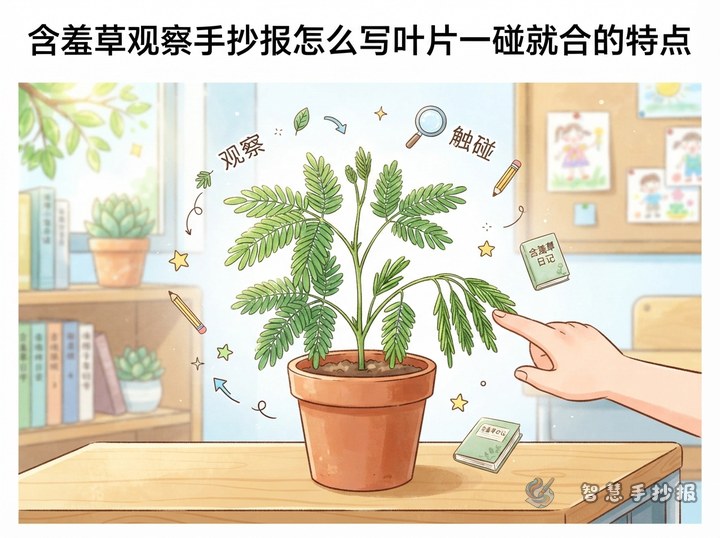
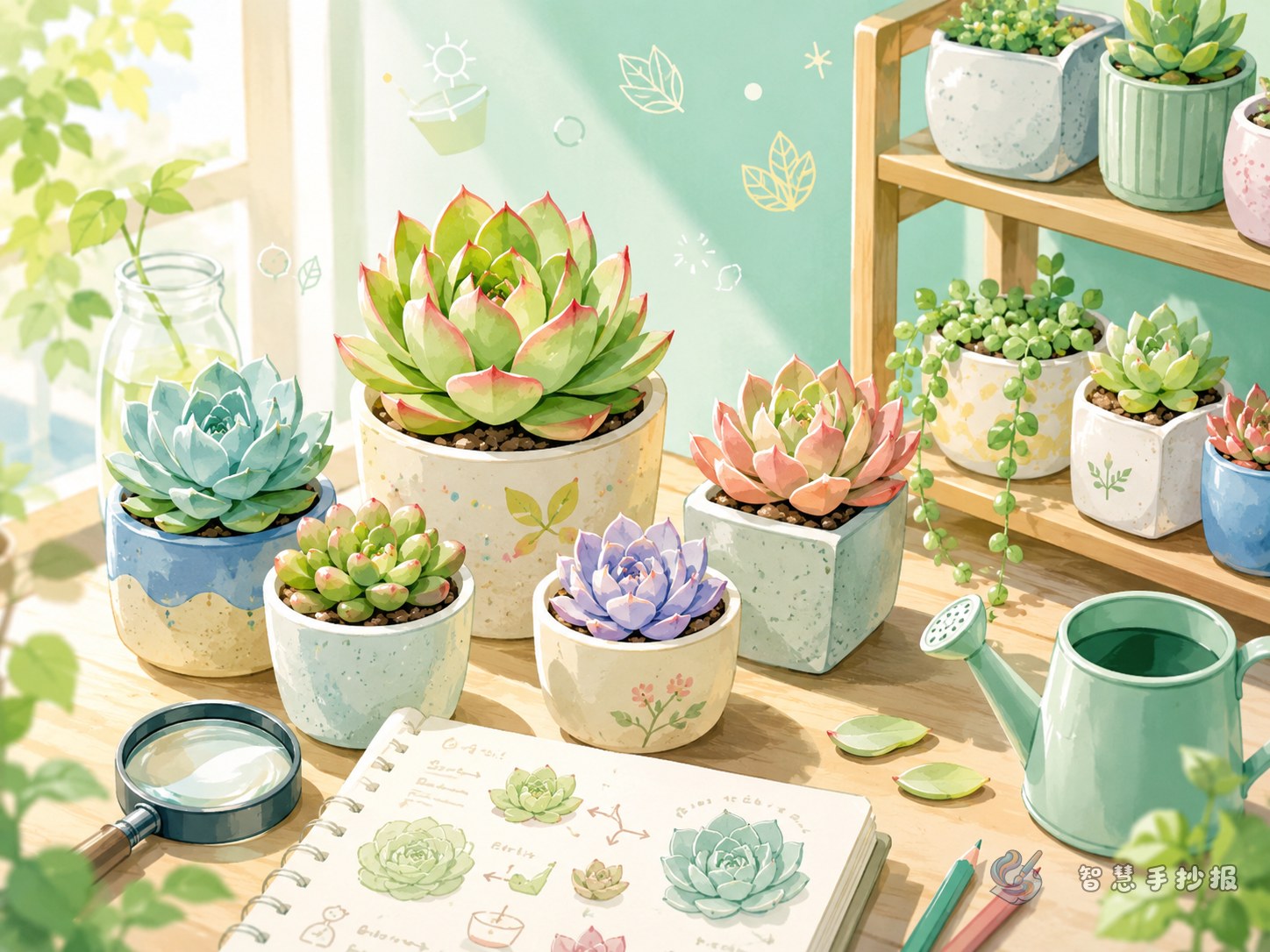
Succulents are great for a handwritten newspaper because they are small, colorful, and easy to observe. Instead of writing everything, choose one clear focus such as appearance, care process, or growth changes. A focused theme makes the whole page look more organized.
For schoolwork, the easiest structure is: what I saw, how I cared for it, and what changed over time.
Best sections to include on the page
- My Succulent Profile: name, color, leaf shape, and size.
- Appearance Notes: describe thick leaves, color edges, and overall form.
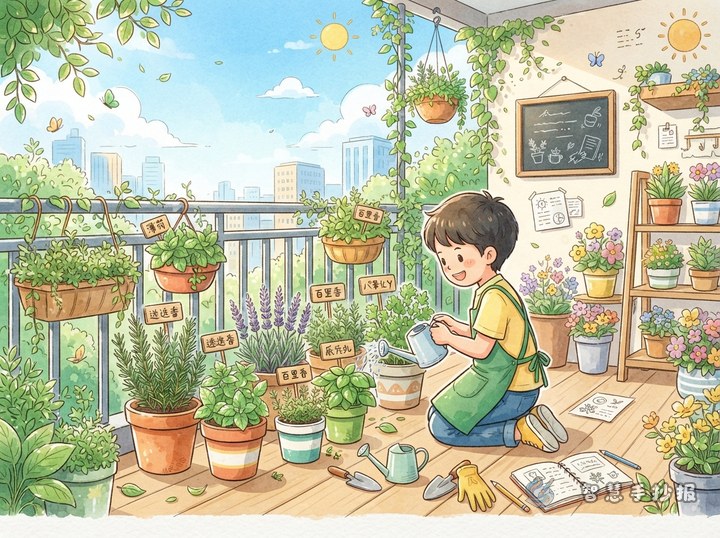
- Care Tips: mention sunlight, light watering, and fresh air.
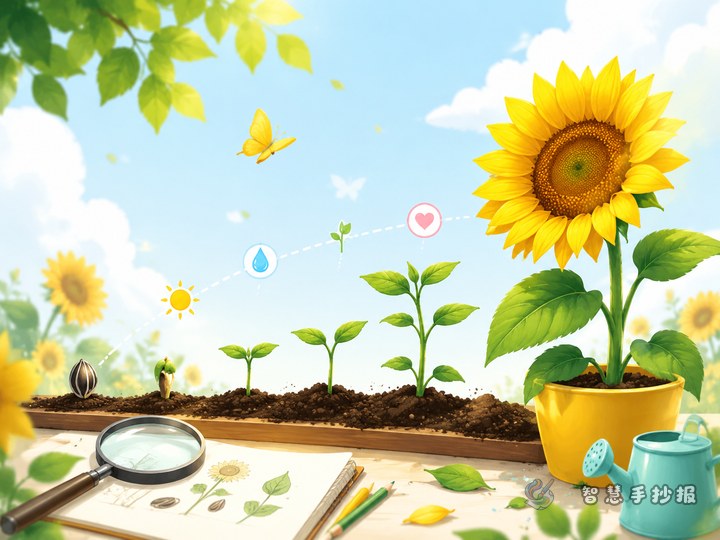
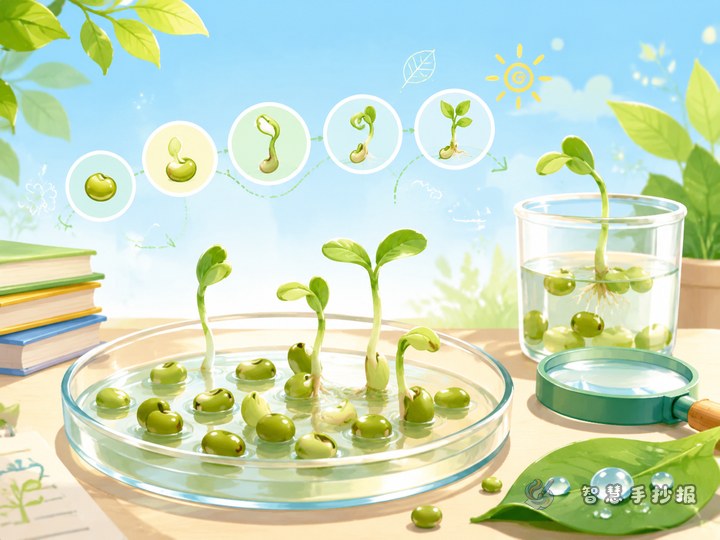
- Weekly Observation Diary: record small changes day by day.
- What I Discovered: for example, new buds appeared or the sunny side became brighter.
- Friendly Reminder: do not overwater and do not break leaves casually.
Short writing materials students can use
Succulent plants usually have thick leaves because they can store water inside them.
I noticed that when the succulent stayed in a bright place, its leaves looked more colorful and lively.
Succulents should not be watered too often, because very wet soil may affect healthy growth.
The most important part of plant observation is not writing a lot, but recording small changes carefully.
By taking care of a succulent, I learned that plants need sunlight, air, water, and patience.
A layout idea that matches the theme
This topic works well with a flowerpot-style layout. Put the main title at the top, then divide the page into several small areas shaped like leaves, pots, or rounded boxes. This style looks lively and fits the plant theme.
- Place the main title at the top, such as “My Succulent Observation” or “A Tiny Plant Diary.”
- Use the left side for the plant profile and appearance notes.
- Use the right side for care methods and reminders.
- Put the observation diary at the bottom to show progress over time.
If the page still feels empty, add a small section called “Why I Like This Plant.”
How to make the content feel real
Many students write general sentences like “succulents are cute” or “we should protect plants.” A better way is to write specific details, such as “the leaves felt firmer on the third day” or “after staying by the window, the color became slightly redder.”
Specific details make the handwritten newspaper look like a true observation project rather than copied information.
What to add before finishing
At the end, add one short reflection: maybe you learned patience, noticed the importance of sunlight, or discovered that caring for life requires attention. This gives the project a warm and complete ending.
If you already have the topic but want to improve sections, wording, or layout, you can continue creating in the Zhihui Shouchaobao WeChat mini program.