Make the page feel like a real observation notebook
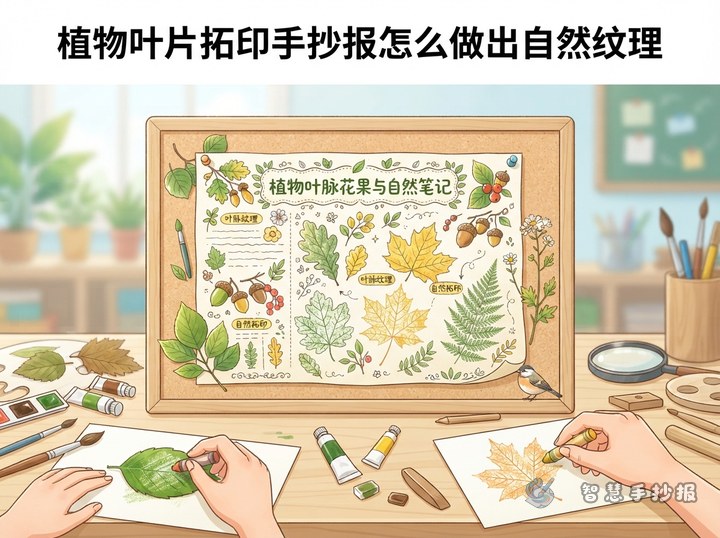
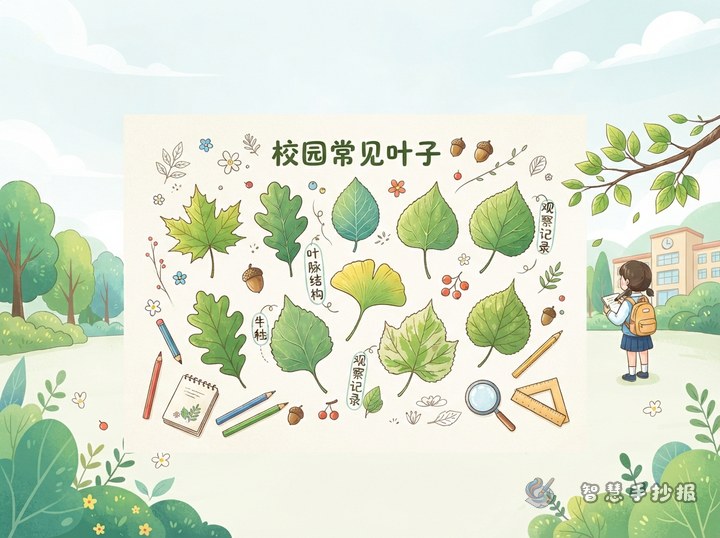
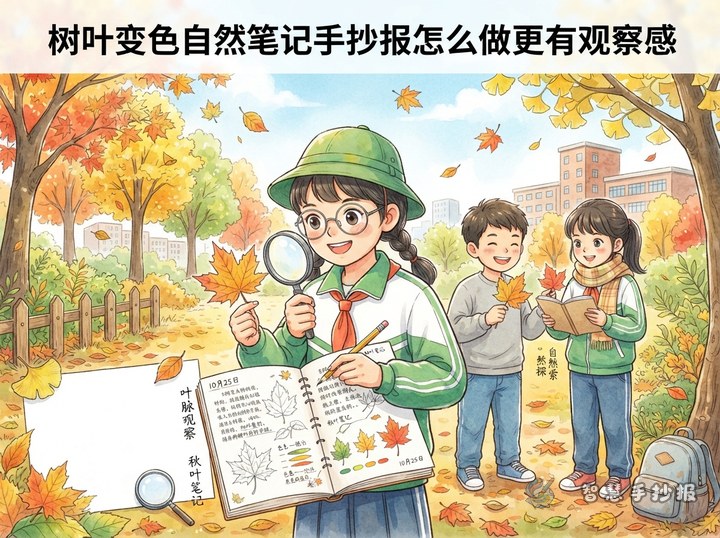
A leaf vein specimen handwritten newspaper becomes more interesting when it shows not only leaves but also what the student noticed in nature. You can build the page around a theme such as “Secrets Hidden in Leaf Veins” or “My Autumn Leaf Observation Notes” so the whole work feels focused and meaningful.
Best content to place on the page
Leaf Vein Mini Lesson
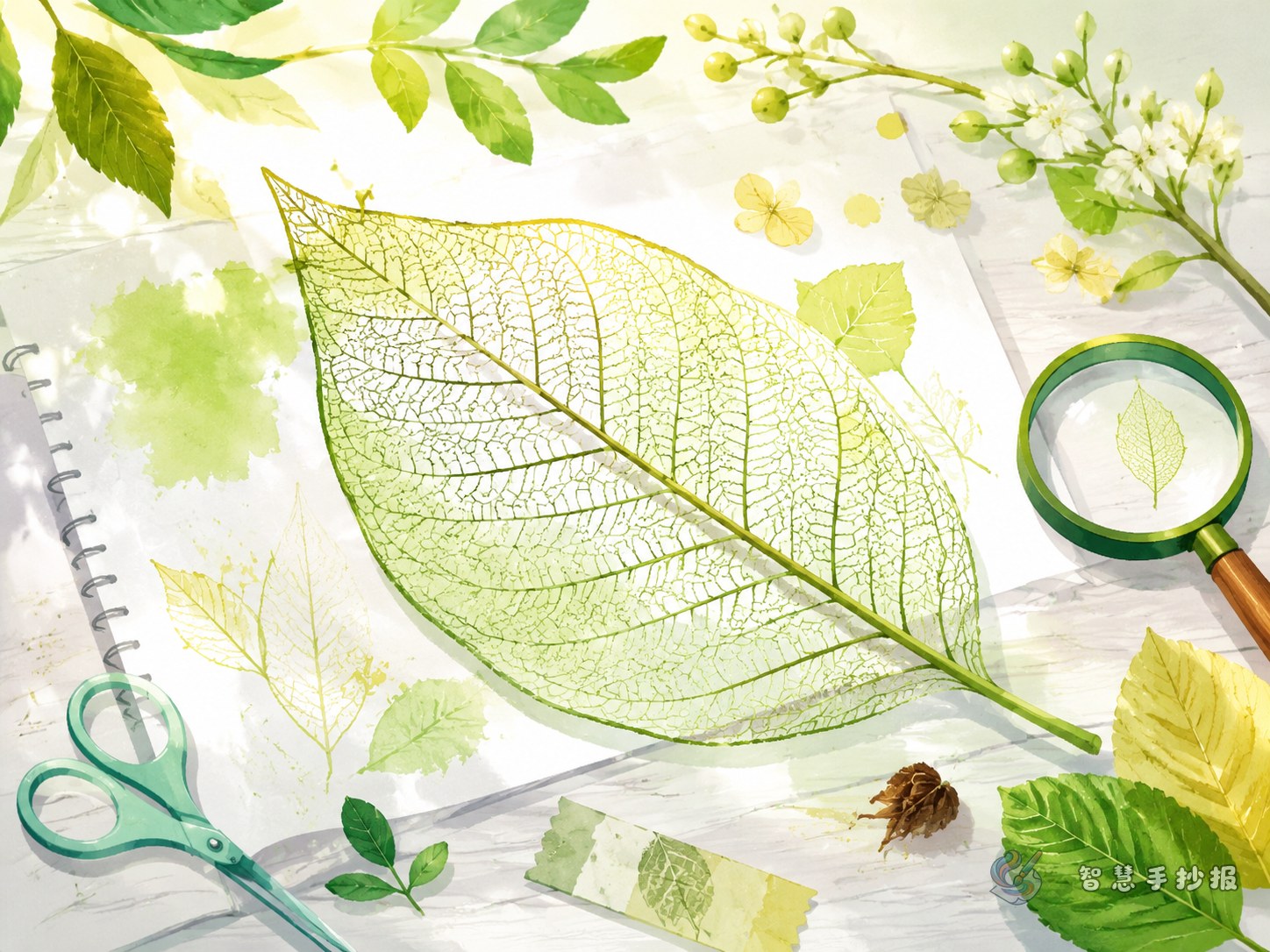
Briefly explain common patterns such as parallel veins and netted veins. Short, simple lines help young readers understand how different leaves are structured.
My Collection Notes
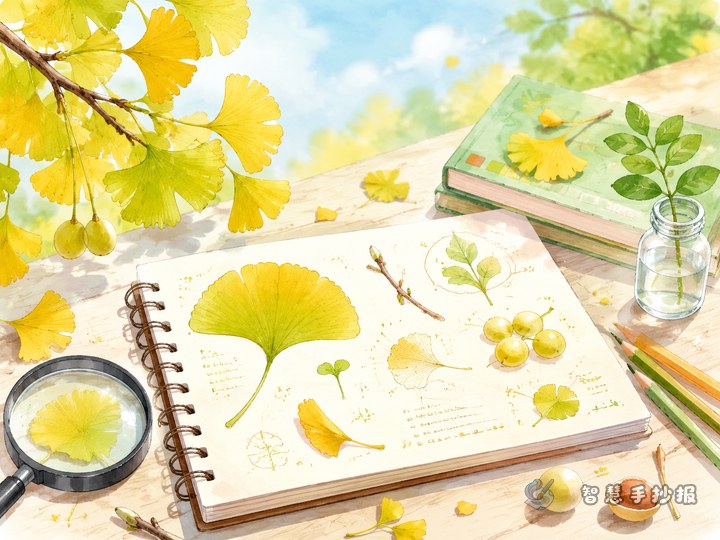
Write where and when the leaf was found, what color it was, how large it looked, and what it felt like. These details add personality and make the page feel like a true nature journal.
Plant Record Card
Choose one or two leaves to introduce in more detail, including shape, edge, smell, or seasonal changes. This works well as a small featured section.
Ready-to-use writing ideas
- Observation line: I noticed that the veins spread across the leaf like a fine network.
- Discovery line: Different plants have different leaf shapes, and their vein patterns are arranged in unique ways.
- Feeling line: A small leaf can hold the traces of growth and the story of the seasons.
- Reminder line: When collecting fallen leaves, we should protect living plants and avoid breaking fresh branches.
A clean layout works better than a crowded one
This topic fits a fresh and open design. Place the main title at the top, decorate the corners with small leaves, vines, flowers, or fruit shapes, and keep the center for the specimen display area. Knowledge sections and record sections can sit on the sides, with a short reflection at the bottom. Light green, cream, and pale yellow make the page feel natural and bright.
Small design choices that improve the whole page
- Use a soft, rounded style for the title lettering.
- Keep paragraphs short so the page stays tidy.
- Choose light borders instead of heavy boxes.
- If you have real observation experience, write your own discoveries first to make the work more original.
End with a short nature reflection
A closing sentence such as “A single leaf quietly records sunlight, rain, and the direction of growth” can make the page feel complete. After planning the writing and layout, you can also continue refining the design in the Zhihui Shouchaobao WeChat mini program.