Start with a Day in an Old Hutong
For a handwritten newspaper about Beijing hutongs and courtyard houses in the Ming and Qing periods, students do not have to focus only on palaces or city walls. A warmer angle is everyday life in a lane: morning street calls, stone door blocks, neighbors greeting one another, and children playing near the entrance of the alley.
Possible titles include Daily Life in an Old Hutong, Neighbors Inside a Courtyard House, or Seeing Old Beijing Through One Lane. These titles make the theme clear and friendly for young readers.
Short Text Materials to Include
What is a hutong?
A hutong is a narrow lane in old Beijing that connects homes and courtyards. In the Ming and Qing periods, many residents lived in courtyard houses along these lanes. The hutong was not only a road, but also a place for chatting, trading small goods, and sharing neighborhood news.
What makes a courtyard house special?
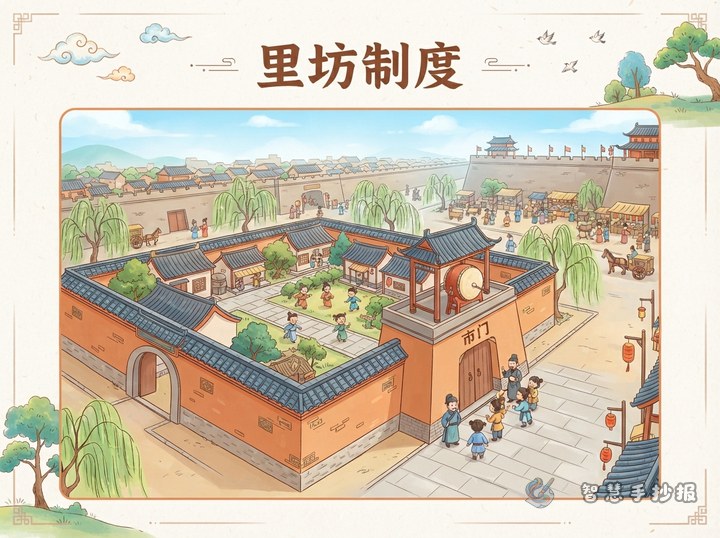
A traditional courtyard house is usually formed by rooms on four sides with an open yard in the middle. The yard could hold trees, water jars, daily tools, and family activities. It shows both order in urban living and the warmth of home life.
A small scene from the lane
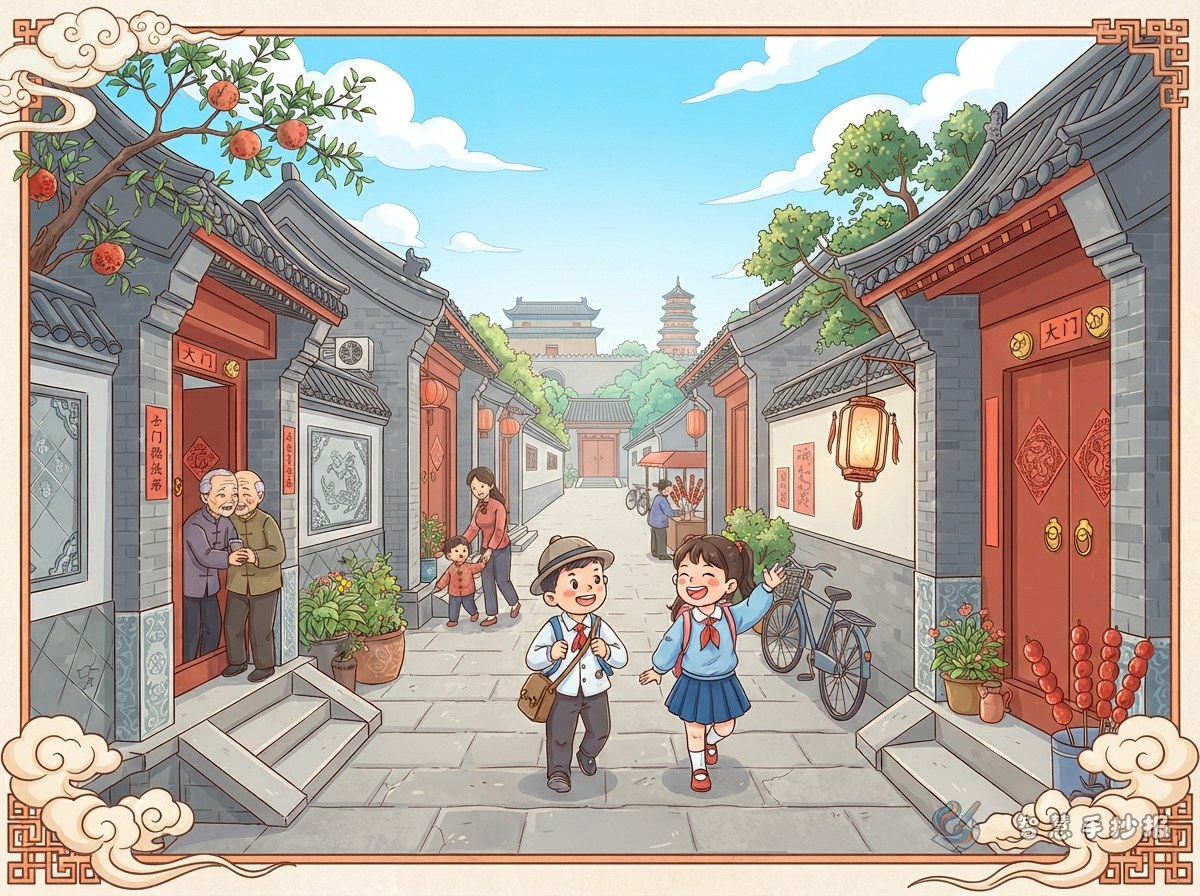
In the morning, a vendor walks past the entrance of the hutong. In the afternoon, elders sit near the doorway and talk. In the evening, children run and play in the lane. These small scenes make the handwritten newspaper more vivid than a simple building introduction.
Useful Sections for the Page
- Hutong Mini Guide: Explain words such as hutong, courtyard gate, screen wall, and door block.
- Courtyard Layout: Draw a simple plan of rooms around a yard and label the main parts.
- Street Life Moments: Write about vendors, visits, chatting, festival decorations, and daily routines.
- Urban Wisdom: Show how lanes helped neighbors meet and how courtyards supported family life.
- Then and Now: Compare old hutong life with today’s community life, such as neighborly help and shared spaces.
Design the Page with a Lane Feeling
One good layout is to let a winding hutong run through the center of the paper. Put courtyard gates, gray walls, roof tiles, trees, and small stalls on both sides. Text boxes can be shaped like door plates, lanterns, window frames, or gray bricks.
Recommended colors include gray-blue, brick red, warm beige, and light green. Gray-blue can show roof tiles and walls, brick red can show doors and windows, beige keeps the page gentle, and green works for trees and courtyard plants. Leave enough blank space so the title and sections remain clear.
A Ready-to-Use Opening Paragraph
The hutongs of old Beijing are like thin lines connecting courtyard houses and daily life. Walking into a hutong, we may see gates, roof eaves, tree shadows, and neighbors greeting each other. We may also hear vendors calling and children laughing. Through this handwritten newspaper, we can discover the warmth of an ancient city from one small lane.
Keep Improving Your Handwritten Newspaper
If you want more title ideas, section plans, or decorative elements, you can use the 智慧手抄报 WeChat mini program and search around themes such as “Ming and Qing Beijing hutongs,” “courtyard house life,” and “ancient city lanes.” Then adjust the design according to your grade level and paper size.