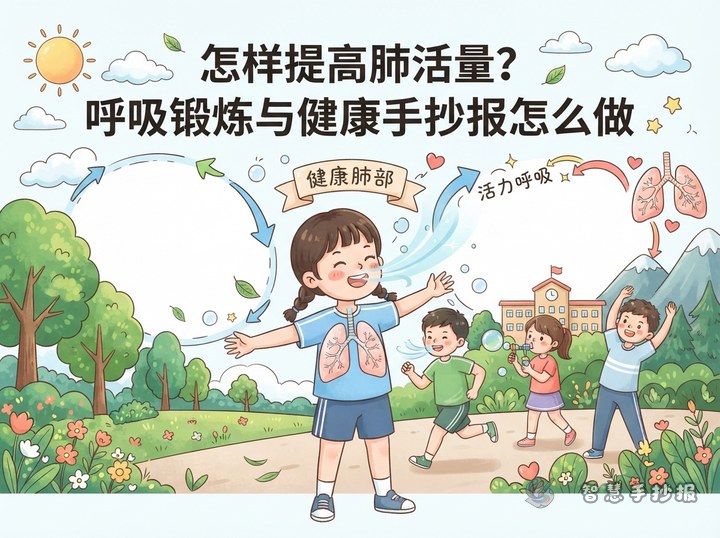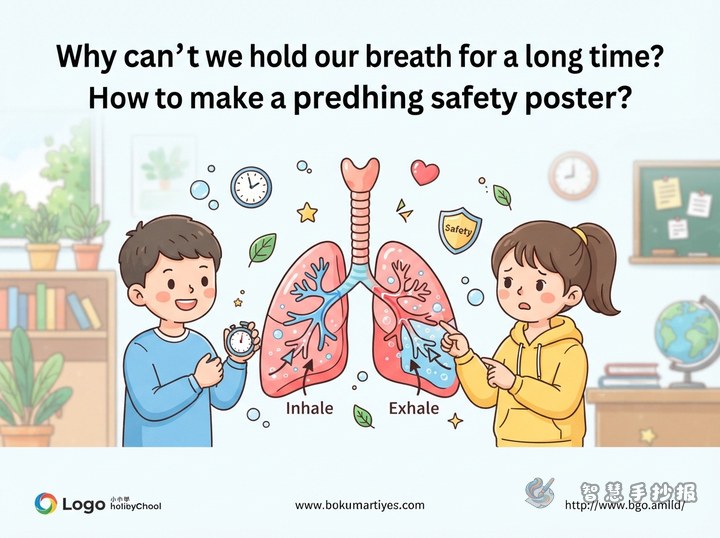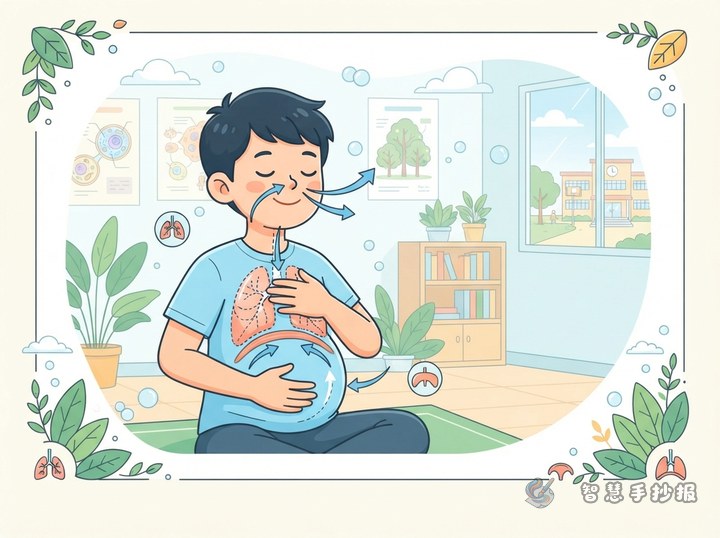
Start with a clean-air mission
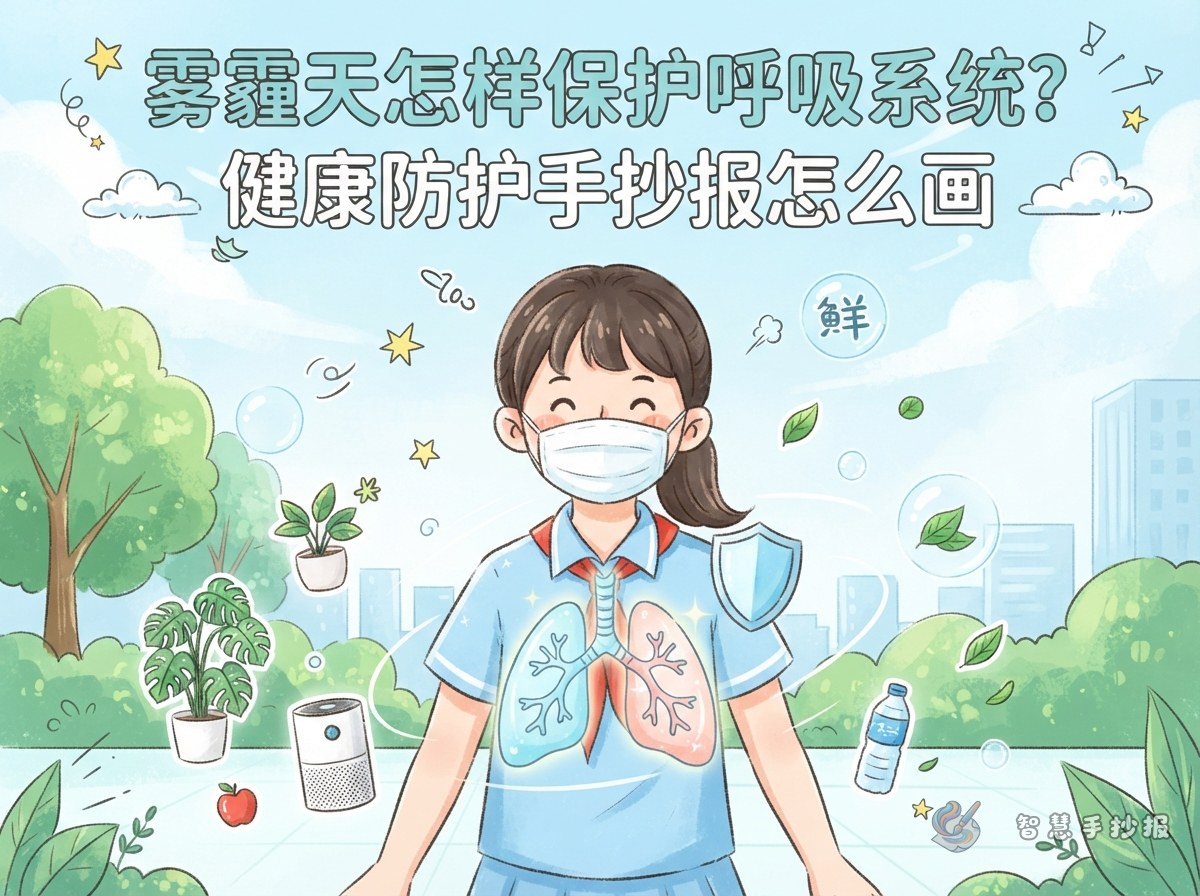
Build the poster around the idea of giving the respiratory system an umbrella of protection. Instead of only explaining smog, show readers how to reduce exposure to dust and polluted air. A simple four-step storyline works well: understand the respiratory system, notice air-quality risks, learn daily protection, and share a healthy action.
- Main question: How can we care for our respiratory system when the air quality is poor?
- Central picture: Draw an umbrella covering the nose, airways, and lungs, with gray dust outside and fresh green air underneath.
- Poster slogan: Check the air, protect every breath.
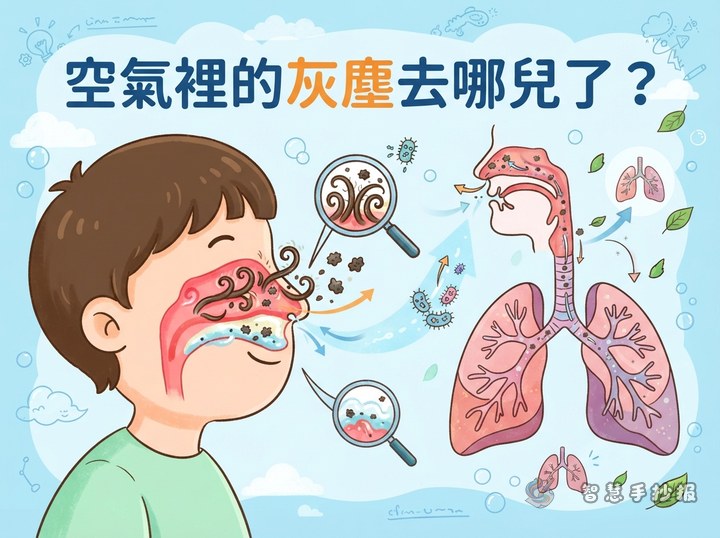
Show the respiratory system as three protective gates
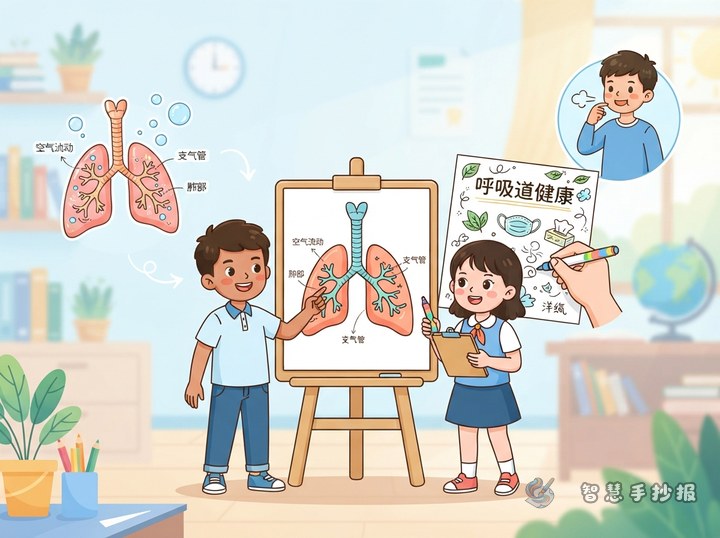
Use three small drawings to make the science easy to understand. The nose warms and moistens incoming air and can catch some larger particles. Mucus and tiny cilia in the trachea and bronchi help move some unwanted material away. The lungs exchange gases by taking oxygen into the blood and removing carbon dioxide.
- Gate one: the nose. Draw it as an entrance with a small brush and add the words filter and moisten.
- Gate two: the trachea and bronchi. Use branching lines to show the air passages and label them keep the pathways clear.
- Gate three: the lungs. Draw two leaves or balloons and add the phrase gas exchange happens here.
Keep each explanation short. Arrows, labels, and small icons will be easier to read than long blocks of text.
Four protection cards for hazy days
- Check the air first. Look at reliable air-quality information before going outside. When pollution is high, reduce long outdoor activities and avoid busy roads and dusty areas.
- Use suitable protection outdoors. With guidance from a parent or teacher, choose an appropriate protective mask and wear it as directed. Replace it when it becomes wet, damaged, or dirty.
- Stay away from smoke and dust. Avoid burning waste, vehicle exhaust, construction dust, and secondhand smoke. Open windows according to the air quality and choose a cleaner time to ventilate the room.
- Clean up after coming home. Wash your hands, organize your outer clothes, and plan outdoor activities and rest sensibly. Tell an adult if coughing, chest tightness, or breathing discomfort continues.
Add a small note saying that a mask is helpful but not a magic shield. This encourages a more complete understanding of health protection.
Use color to separate risk from hope
A clear layout can place warnings on the left, the science in the center, actions on the right, and a message along the bottom. Use gray-blue for dust, exhaust, and hazy skies. Put a larger respiratory-system diagram in the center with white and light-blue space around it. Arrange the four action cards on the right, using green for healthy choices and orange for important reminders.
Make the title large and easy to read. Leaf shapes, wind lines, masks, and water drops can decorate the border without making it crowded. Leave enough blank space so that the drawings and text can breathe.
Copy-ready closing words
Health message: We cannot always see the air, but it is part of every breath. Learning to check the air, avoid smoke and dust, and practice daily protection adds a gentle layer of care for the respiratory system.
Short slogan: Less smoke, more fresh air; care for the air and care for yourself.
Finish the poster neatly
Use a pencil to plan the title, the respiratory-system drawing, and the four action cards. Then outline them in black and fill the page with gray-blue, green, and orange. To organize these ideas into a complete layout, continue in the 智慧手抄报 WeChat mini program to select a theme, arrange the text, and adjust the poster design.