Start with a “cough bubble”
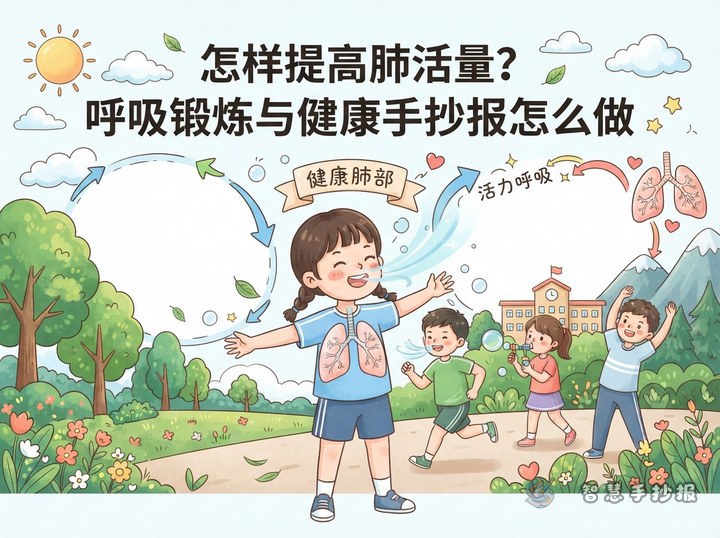
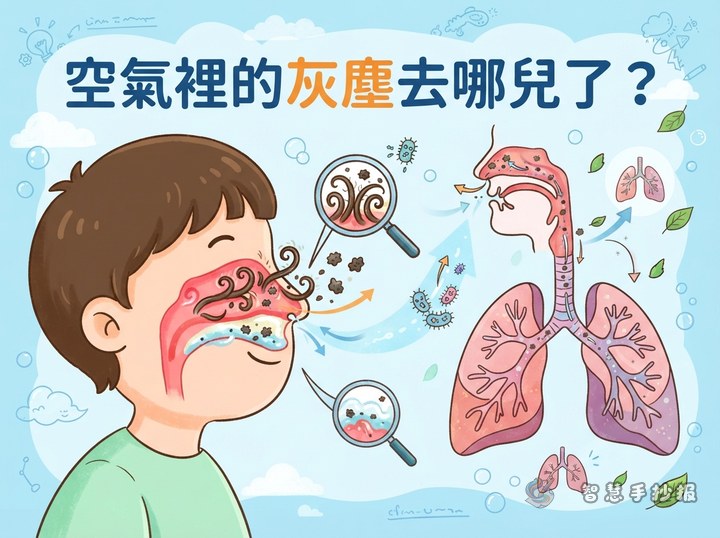
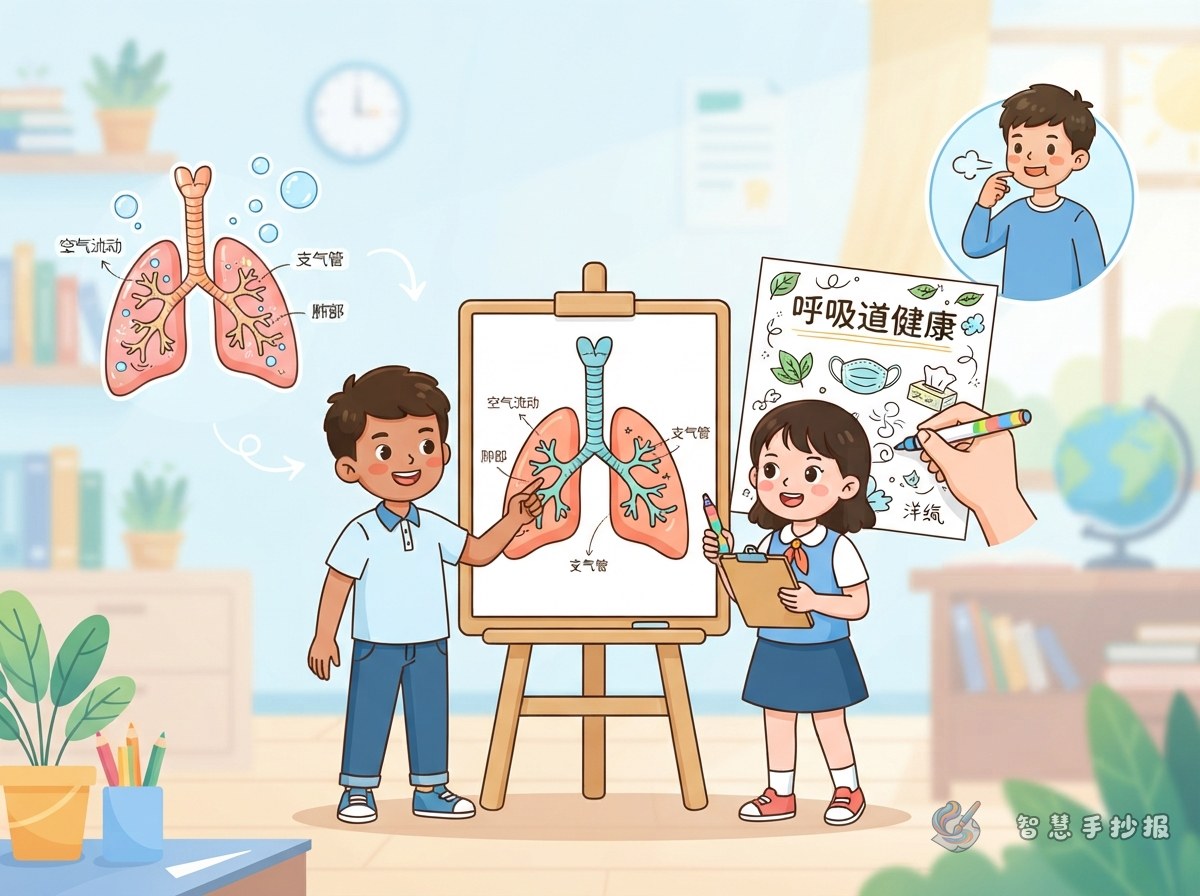
Make the cough the visual focus of the poster. A speech bubble can explain that when dust, cold air, smoke, or another irritant bothers the airway, the body may cough to help clear it. Draw a child coughing, a few floating dust particles, and a simple curved airway line so readers understand the topic at a glance.
Key sentence: Coughing is a protective response, but a severe, frequent, or persistent cough should be reported to a parent or caregiver so a doctor can assess it.
Turn the process into a three-panel story
- An irritant appears: The nose, throat, or windpipe is exposed to dust, smoke, cold air, or another trigger.
- The body sends a signal: Nerve signals alert the airway, while the muscles of the chest and abdomen begin to work together.
- Air moves outward: A quick burst of air may help remove some irritants. The person should still pay attention to how they feel afterward.
A three-panel comic is easier for elementary students to read than a long explanation. Write only one or two short sentences in each panel and connect them with arrows labeled “irritant—response—clearing.”
Four useful sections for the health message
- Cough questions: A cough does not always mean a serious illness. Dust, smoke, cold air, and infections can all be possible triggers.
- Cover your cough: Cover a cough or sneeze with a tissue or the inside of your elbow, throw the tissue away, and wash your hands carefully.
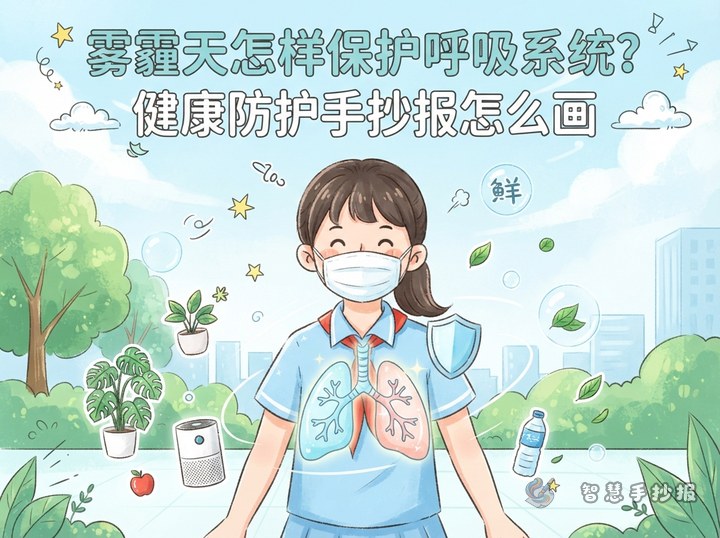
- Be an air protector: Stay away from smoke and strong irritants, ventilate indoor spaces when appropriate, and get enough rest.
- Ask for help: Tell an adult and seek medical care if the cough is severe, does not improve, or comes with breathing trouble, strong chest pain, or bluish lips.
Turn these sections into four colorful cards. Blue can represent understanding, green can represent daily protection, orange can represent the environment, and red can highlight situations that need attention.
Plan the page so the arrows feel like moving air
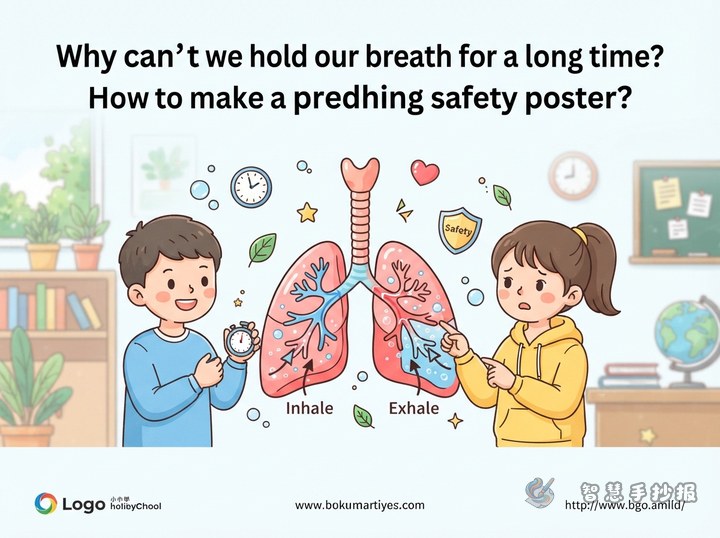
Use a horizontal or vertical flow. Place the main title and cough bubble at the top, the three-panel story in the center, the health cards along the sides, and a “My airway care actions” checklist at the bottom. Curved arrows can suggest airflow, but leave enough blank space so the page remains easy to read.
Light blue, fresh green, and warm orange make a friendly color palette. Use red sparingly for warning messages. Draw the nose, windpipe, and lungs as simple diagrams rather than complicated medical illustrations. Separate paragraphs clearly, make headings bold, and circle important words with colored pencils.
Finish with actions children can take today
- I will stay away from smoke and secondhand smoke.
- I will cover my cough and wash my hands afterward.
- I will help keep classrooms and rooms well ventilated.
- I will tell a parent, caregiver, or teacher when I feel unwell.
End with the sentence “Protect your airways with every healthy action.” After planning the text and sketch, use the WeChat mini program “智慧手抄报” to organize sections and adjust the layout for a cleaner, more attractive poster.