Begin with a Motion You Can See
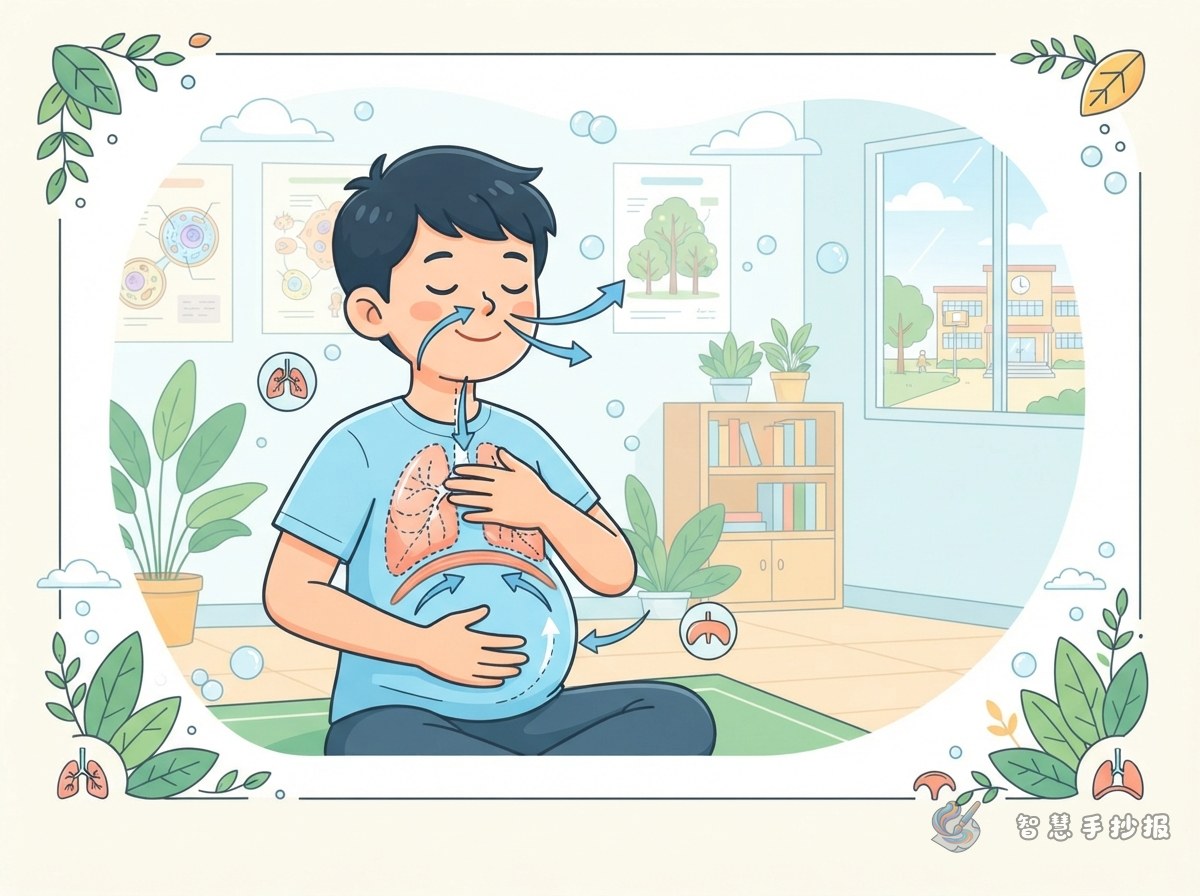
This poster can open with a simple observation: during a calm breath in, the belly may move outward slightly, and during a breath out, it may settle back. Air is not filling the abdomen. The movement is closely connected to the diaphragm, a major breathing muscle below the lungs.
The Diaphragm Works Like a Moving Floor
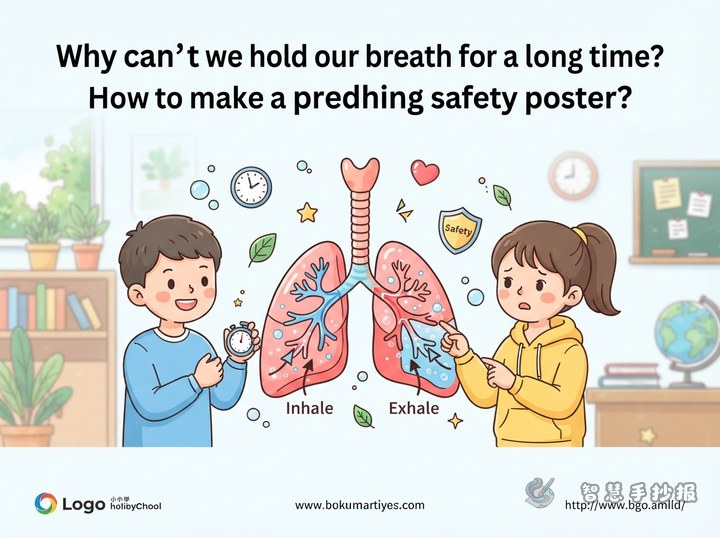
When you inhale, the diaphragm contracts and moves downward. This gives the chest more space, allowing air to travel through the nose, throat, windpipe, and bronchial tubes into the lungs. When you exhale, the diaphragm relaxes and rises, the chest space becomes smaller, and air moves out.
Breathing patterns can look slightly different from person to person. Any classroom observation should involve relaxed, natural breathing rather than forceful inhaling or holding the breath.
Build the Poster Around Four Quick Facts
- Meet the diaphragm: It is a major breathing muscle located below the lungs.
- Breathing in: The diaphragm moves down, the chest expands, and air enters the lungs.
- Breathing out: The diaphragm relaxes and rises as air leaves the lungs.
- Healthy habits: Sit with good posture, stay active, keep rooms ventilated, and avoid tobacco smoke.
Show the Process with a Side-by-Side Diagram
Place two simple upper-body drawings in the center of the page. Label the left one “Breathing In” and the right one “Breathing Out.” Add a downward arrow for the diaphragm during inhalation and an upward arrow during exhalation. Smaller arrows can show the direction of airflow. Use separate colors for the lungs, windpipe, and diaphragm so the diagram remains easy to read.
A Clear Page Plan
- Put the question-style title across the top with small lung and airflow symbols.
- Make the inhaling and exhaling comparison the main feature in the center.
- Add a “Diaphragm Facts” box on one side and a “Healthy Breathing Habits” box on the other.
- Use the bottom strip for a short natural-breathing observation activity.
Finish with Safe, Memorable Advice
Short reminders work well: “Breathe naturally,” “Open windows for fresh air,” “Increase exercise gradually,” and “Stay away from smoke.” Anyone with ongoing trouble breathing, chest pain, or significant discomfort should tell a trusted adult and get professional help.
After planning the text and drawings, students and families can continue in the 智慧手抄报 WeChat Mini Program to choose a layout, organize the sections, and create a neat final poster.