Where Does the Dust in the Air Go?
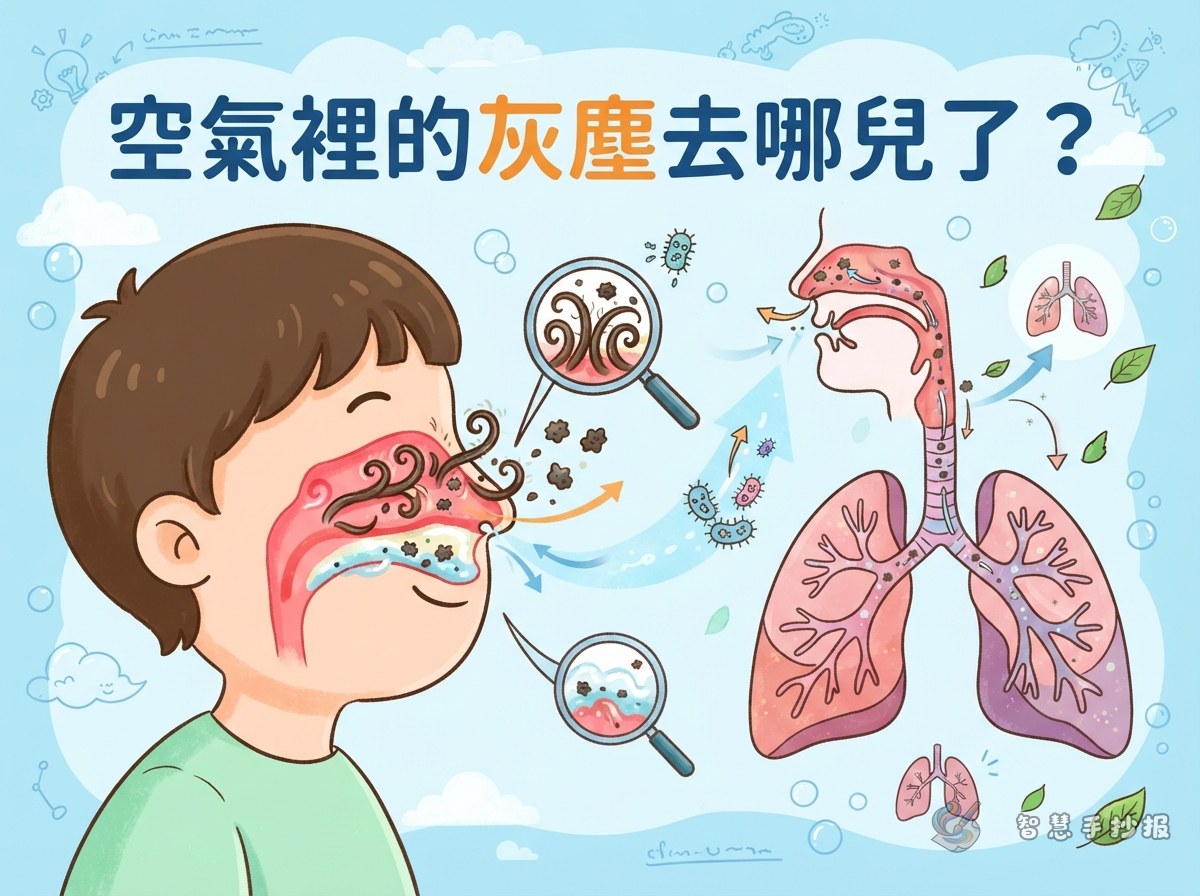
When we breathe, the air may carry dust, pollen, and tiny particles. The nose is the first stop in the respiratory system, and it does a rough filtering job before air reaches the lungs. For a handwritten newspaper, you do not need to explain everything. Just show three simple actions: nose hairs block, mucus traps, and cilia move dust away.
How to Draw the Dust-Trapping Journey
Draw a large side view of a nose in the center of the page. Add short lines for nose hairs at the nostrils, wavy lines for mucus inside the nasal cavity, and small dots for dust. Let the dust enter from the left, pass three checkpoints, and then let clean air continue toward the windpipe.
Nose hairs work like a small fence
Larger dust particles hit the nose hairs and are stopped from going deeper.
Mucus works like sticky paper
Smaller dust particles get caught in the sticky mucus on the nasal lining.
Cilia work like a tiny conveyor belt
Tiny hair-like cilia sweep the mucus, with dust inside it, toward the throat. Then it can be swallowed or coughed out.
Layout Ideas for Your Poster
- Title area: “Where Does the Dust Go?” or “The Nose’s Filtering Factory.”
- Diagram area: A nose cross-section with arrows showing dust being stopped.
- Fact cards: Three small cards for nose hairs, mucus, and cilia.
- Health tips: Do not pick your nose, drink warm water, wear a mask on smoggy days.
Short Text You Can Copy
- The nose is the first gate of the respiratory tract.
- Nose hairs stop big dust; mucus traps small dust.
- Cilia are like tiny brooms that sweep dirt away.
- Protecting the nose helps protect the whole respiratory system.
- Cleaner air makes breathing more comfortable.
If you need one complete fact, write: Dust does not simply disappear. It is caught by nose hairs and mucus, moved by cilia toward the throat, and then leaves the body.
Step-by-Step Poster Making
- Sketch a side view of a nose in the middle of the paper.
- Add nose hairs at the nostrils and wavy mucus lines inside.
- Draw colored dots for dust and use arrows to show the path.
- Make three or four text boxes around the diagram for functions, tips, and facts.
- Outline and color the drawing, and make the title stand out with a cloud or bubble border.
Extra Ideas to Make It Shine
You can draw nose hairs as a little fence, cilia as a row of tiny brushes, and mucus as transparent waves. Add a “clean air” arrow to show filtered air moving toward the windpipe and lungs. If you want to save time on layout, open the Smart Handwritten Newspaper WeChat mini program, choose a respiratory health template, and add your own text and drawing ideas.