Why focusing on budding trees makes the topic easier
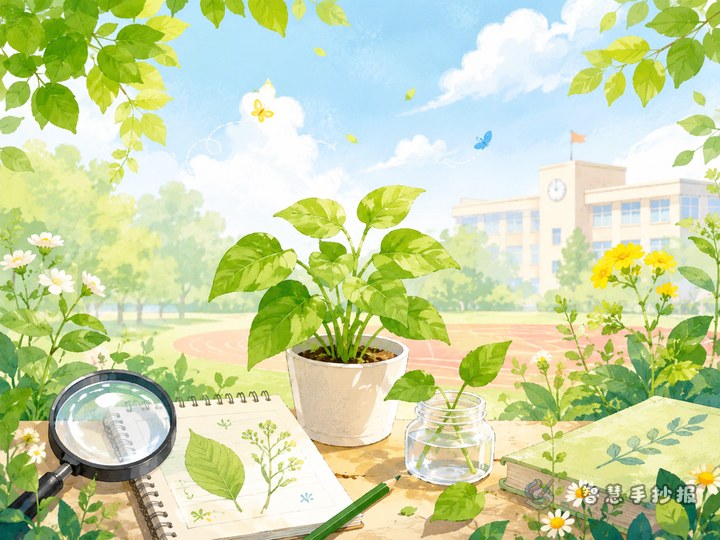
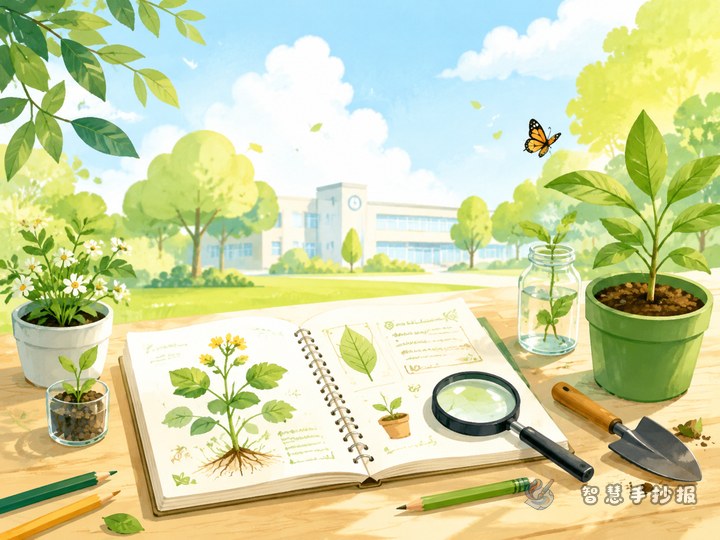
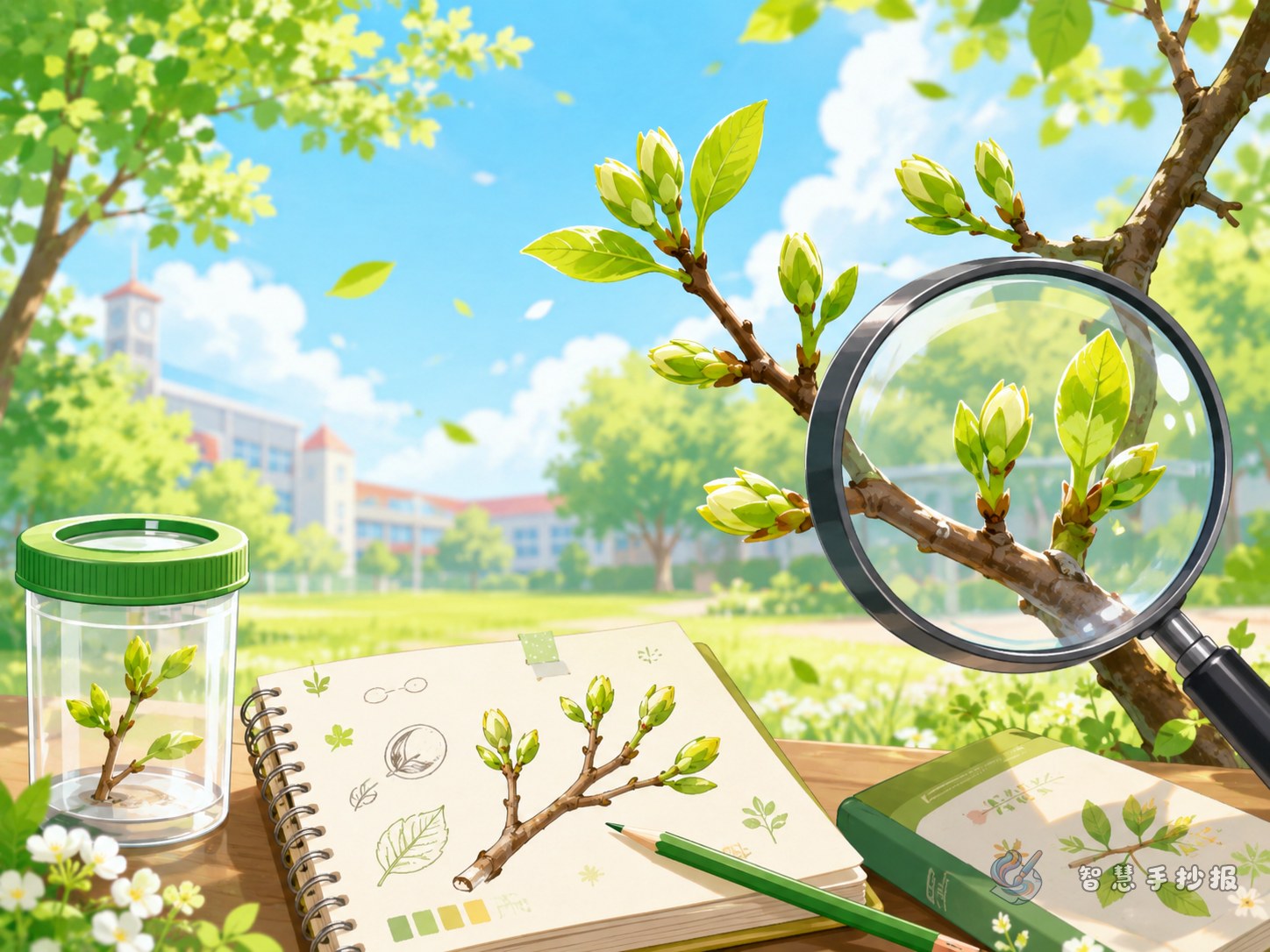
Many students make their campus plant newspaper too broad, with only basic introductions about a plant. A better approach is to narrow the topic to something visible and changing, such as tree buds in spring. This creates a clear observation line and makes the page feel more authentic.
You can choose a common campus tree like willow, magnolia, osmanthus, camphor, or pomegranate, then record its changes over several days or one to two weeks.
Useful sections you can place on the page
- Plant I Observed: Write the tree name, location, and why you chose it.
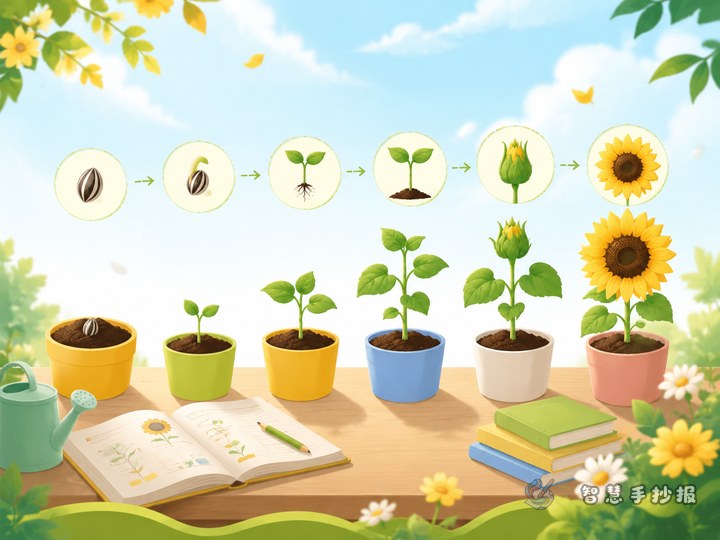
- Budding Record: List daily or weekly changes in size, color, and leaves.
- Spring on Campus: Describe how the campus feels different as plants grow.
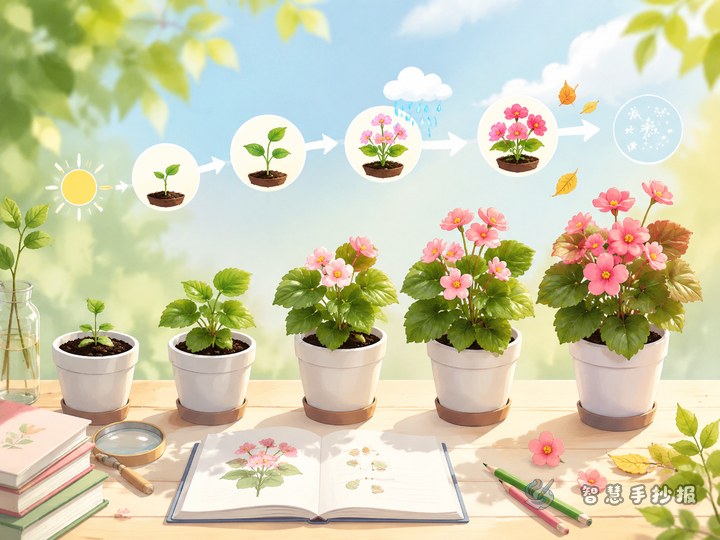
- Plant Facts: Briefly explain that budding needs sunlight, water, and suitable temperature.
- Protect Our Green Campus: Add actions like not breaking branches and caring for school plants.
This combination gives your handwritten newspaper observation, knowledge, and personal expression at the same time.
How to write observation notes that feel real
Sample note 1
March 5, sunny. I saw many tiny buds on the branches near the teaching building. They were light green and looked like little grains. The buds were still closed tightly.
Sample note 2
March 8, cloudy. The buds became larger. Some outer layers had started to open, and I could see brighter green inside. A few tiny leaf tips were already showing.
Sample note 3
March 12, sunny. The buds had turned into small leaves. Their color was fresher and brighter than before. From far away, the tree looked like it was wearing a light green coat.
Each note works best when it includes date, weather, change, and feeling.
Layout ideas that show growth clearly
This theme works well with a process-based design. Put the title at the top center and use soft green, yellow, and sky blue as the main colors. You can arrange the content like spreading branches, with each branch holding a section, or use a horizontal timeline to show changes by date.
- Decorate the title with buds, leaves, and small flowers.
- Use small frames to highlight dates in the observation area.
- Cloud or circle text boxes can make the fact section livelier.
- Add a small box at the bottom for “A message to the tree.”
Short sentences and a simple closing paragraph
If you still have some empty space, these lines fit the topic well:
- Spring arrives quietly when tree buds appear.
- Every new leaf is a letter from spring to our campus.
- Observing plants helps us notice the changes of life.
- Protect every plant and make the campus more beautiful.
You may end with a reflection like this: Through this observation, I learned that plant growth does not happen all at once. It changes little by little with sunlight, air, and water. I want to keep watching the green life around me and become a student who observes carefully and protects nature.
When your content is ready, you can continue polishing the title style, text blocks, and colors in the Zhihui Shouchaobao WeChat mini program.