Center the poster on visible change
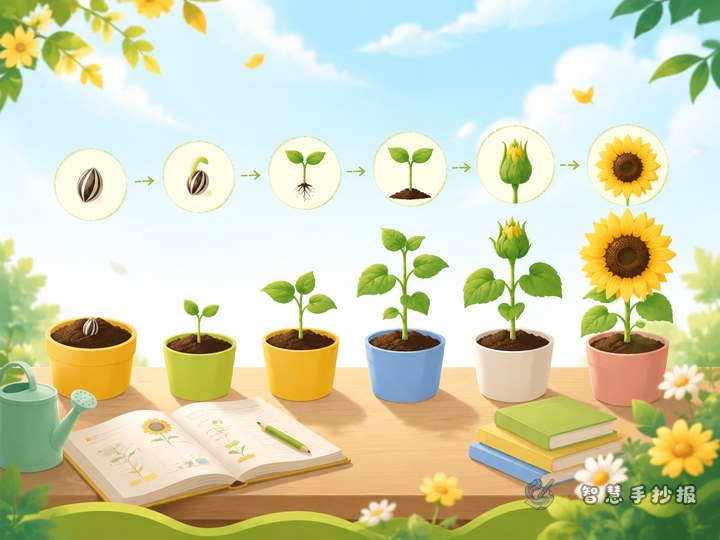
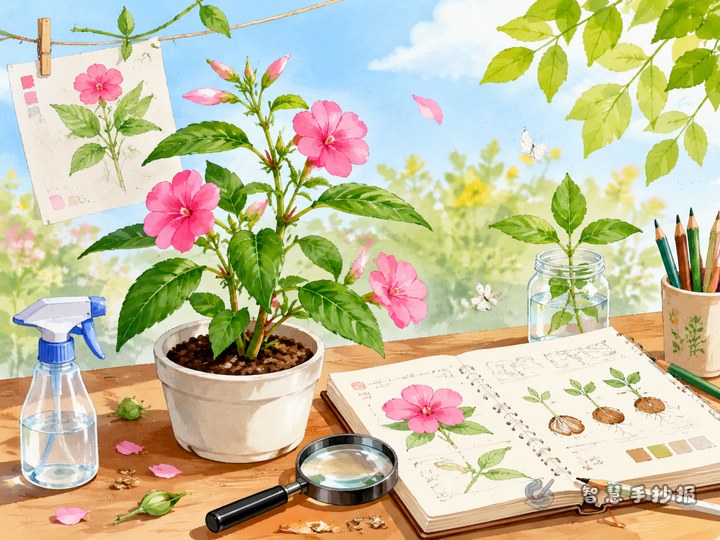
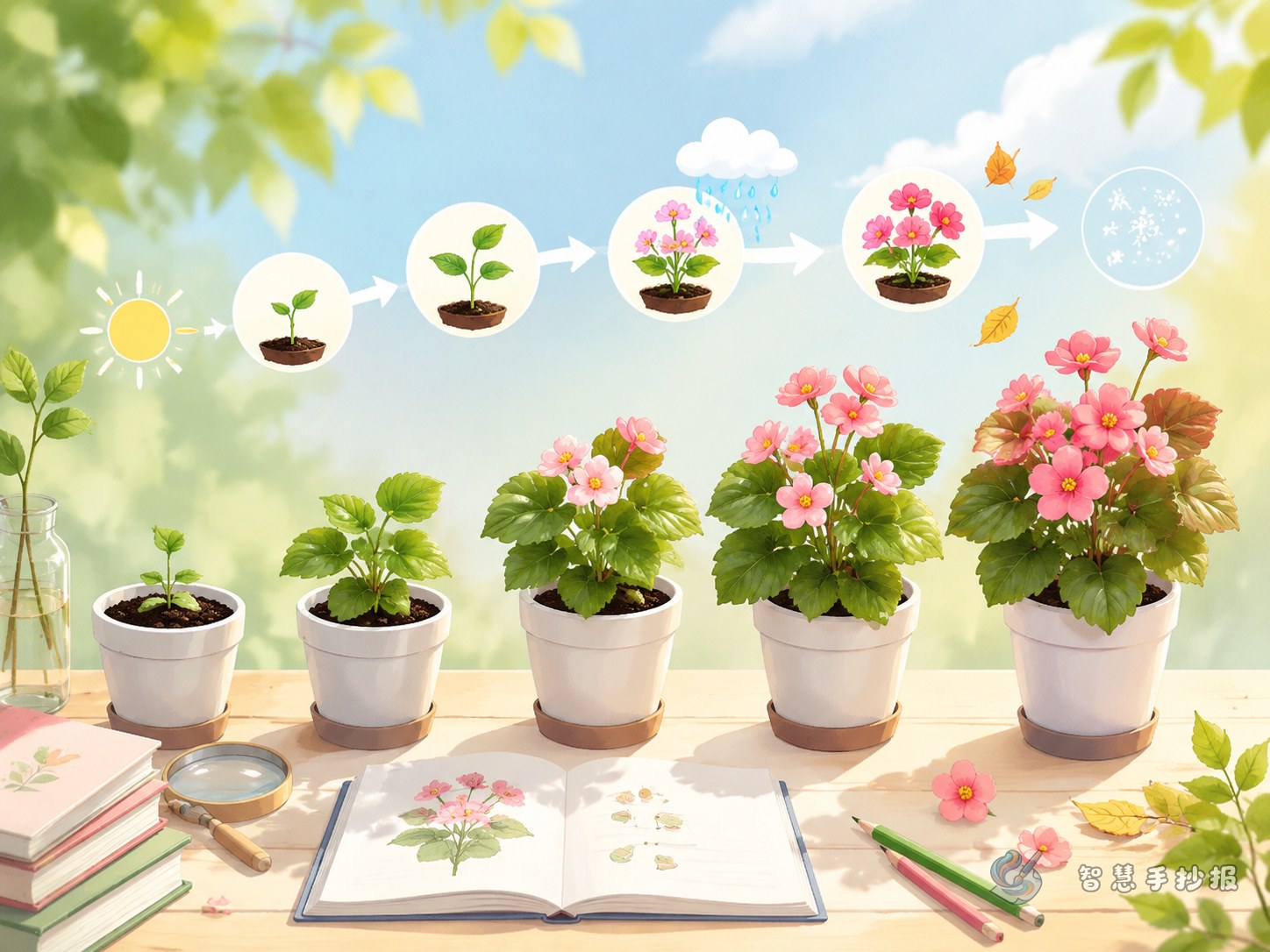
The most interesting part of a begonia planting observation poster is not just the plant name. It is the change across time. You can shape the theme as “My One-Week Begonia Observation” or “From Transplanting to Blooming” so the whole poster feels connected and process-based.
Use details that children can actually notice, such as more leaves, a straighter stem, a growing bud, or brighter color. These observations feel real and are easy to write.
Section ideas you can use directly
- Plant profile: name, planting date, planting place, observer.
- Timeline notes: what happened on day 1, day 3, day 7, and day 14.
- Appearance changes: leaf number, plant height, flower color, stem condition.
- Care notes: watering, sunlight, loosening the soil.
- My discoveries: what kind of environment begonias seem to like and what was hardest to manage.
If space is limited, keep three core parts: plant profile, timeline notes, and my discoveries. That is already enough for a complete poster.
Observation sentences that feel authentic
Planting day
Today I planted the begonia in a flowerpot. Its leaves were round and green. The soil was slightly moist, and I gently pressed it down before placing the pot in a bright spot.
A few days later
After a few days, I noticed the leaves looked fresher and the stem stood more upright than before. The change was not huge, but it was clear that the plant was adapting to its new home.
Bud and blooming stage
As I kept watching, I found small buds on the branches. At first they were tiny, then they gradually became fuller, and their color became easier to notice. I felt excited to see that change.
Personal reflection
I learned that growing plants takes patience. Many changes do not appear right away. If I water the plant on time and place it in a suitable spot, it can grow little by little.
A simple layout can still look rich
This topic works well with one timeline and two support areas. Put a timeline through the center or at a diagonal, then place short notes beside each date. One lower corner can hold the plant profile, and the other can show care tips or reflections.
For colors, try soft pink, light green, and cream to match the fresh feeling of begonia. Small decorations like leaves, flowerpots, watering cans, and buds are enough. Do not overcrowd the page, because white space helps the writing stand out.
Check these three points before finishing
- Make sure the order of observation is clear instead of mixing all notes together.
- Add your own actions, such as watering, moving the pot, or checking leaves, so it feels like a real record.
- Include before-and-after comparisons like leaf color, height, or number of buds to make the time change obvious.
If you already have your theme but still need a cleaner layout, you can continue in the Smart Handwritten Newspaper WeChat mini program to organize titles, sections, and text more easily.