How to Start a Ladybug Observation Poster
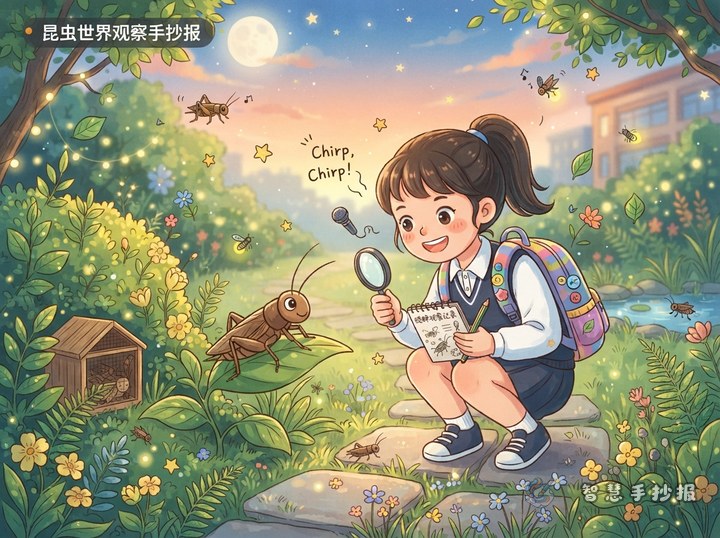
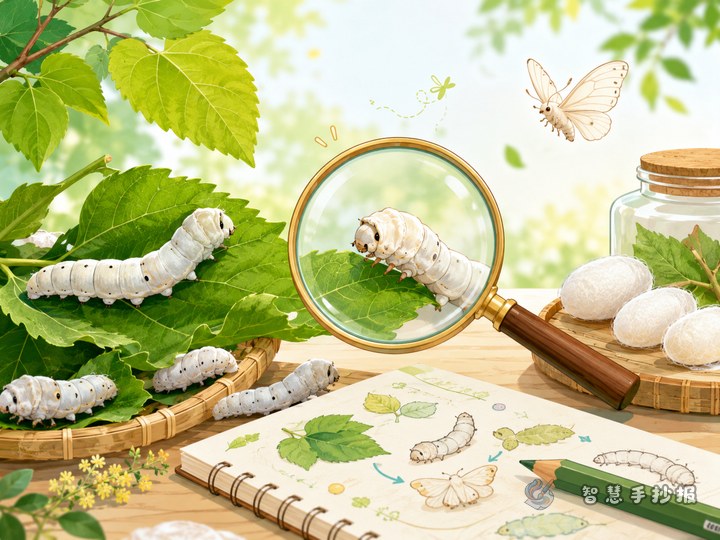
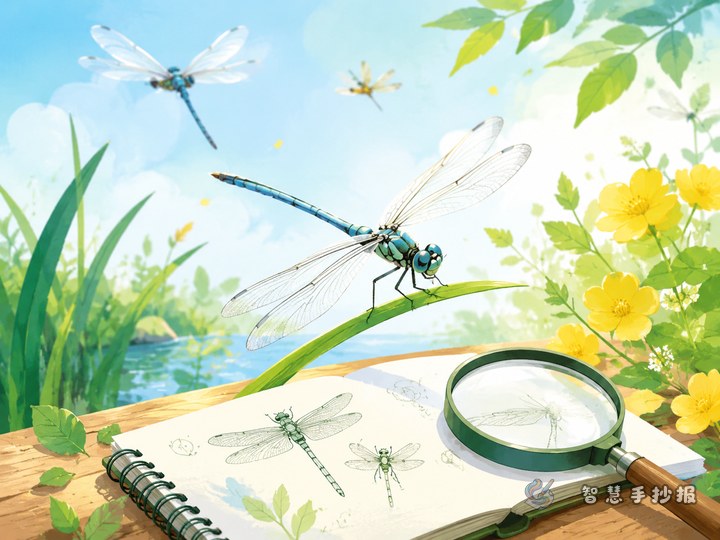
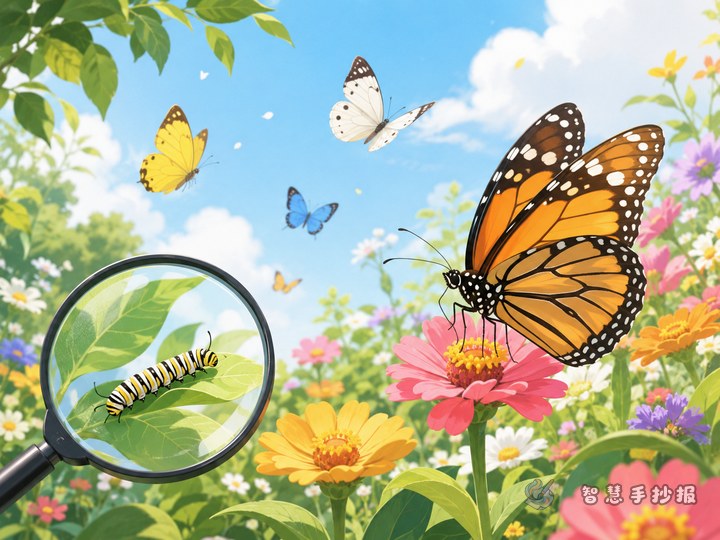
If you want to make an insect-themed handwritten poster, a ladybug is a great choice for children. It is easy to recognize, bright in color, and often seen on leaves or in gardens. A good poster does not need too much text. The key is to show what you observed, what you learned, and what you want others to notice about this tiny insect.
This topic works especially well when the poster includes both facts and personal observation. After deciding on your content, you can also continue polishing the layout, title style, and section design in the Zhihui Shouchao Bao WeChat mini program for a cleaner final result.
Four Useful Content Blocks for the Poster
1. Quick Appearance Notes
- A small, rounded body
- Spots on its back
- Common colors include red, yellow, and black
- Its flying wings are hidden under hard wing covers
2. Daily Habits
- Often found on leaves and plants
- Easier to spot in warm weather
- May stay still or suddenly fly away when disturbed
3. Food and Role in Nature
- Some ladybugs eat aphids
- They can help protect plants
- They are useful insects in the natural world
4. My Observation Notes
- Where I found the ladybug
- What plant it was on
- Its color and number of spots
- My feelings while watching it
Short Sentences You Can Write on the Poster
You can use simple sentences like these in your handwritten newspaper:
- The ladybug is a bright and eye-catching insect in nature.
- It often walks slowly on leaves, but it can also open its wings and fly away quickly.
- Some ladybugs eat aphids and help plants stay healthy.
- When observing insects, we should watch gently and not hurt them.
- Protecting insects means protecting the natural environment.
To make the poster feel more personal, add one or two lines from your own observation, such as when and where you found the ladybug and what surprised you most.
Easy Layout Ideas That Match the Theme
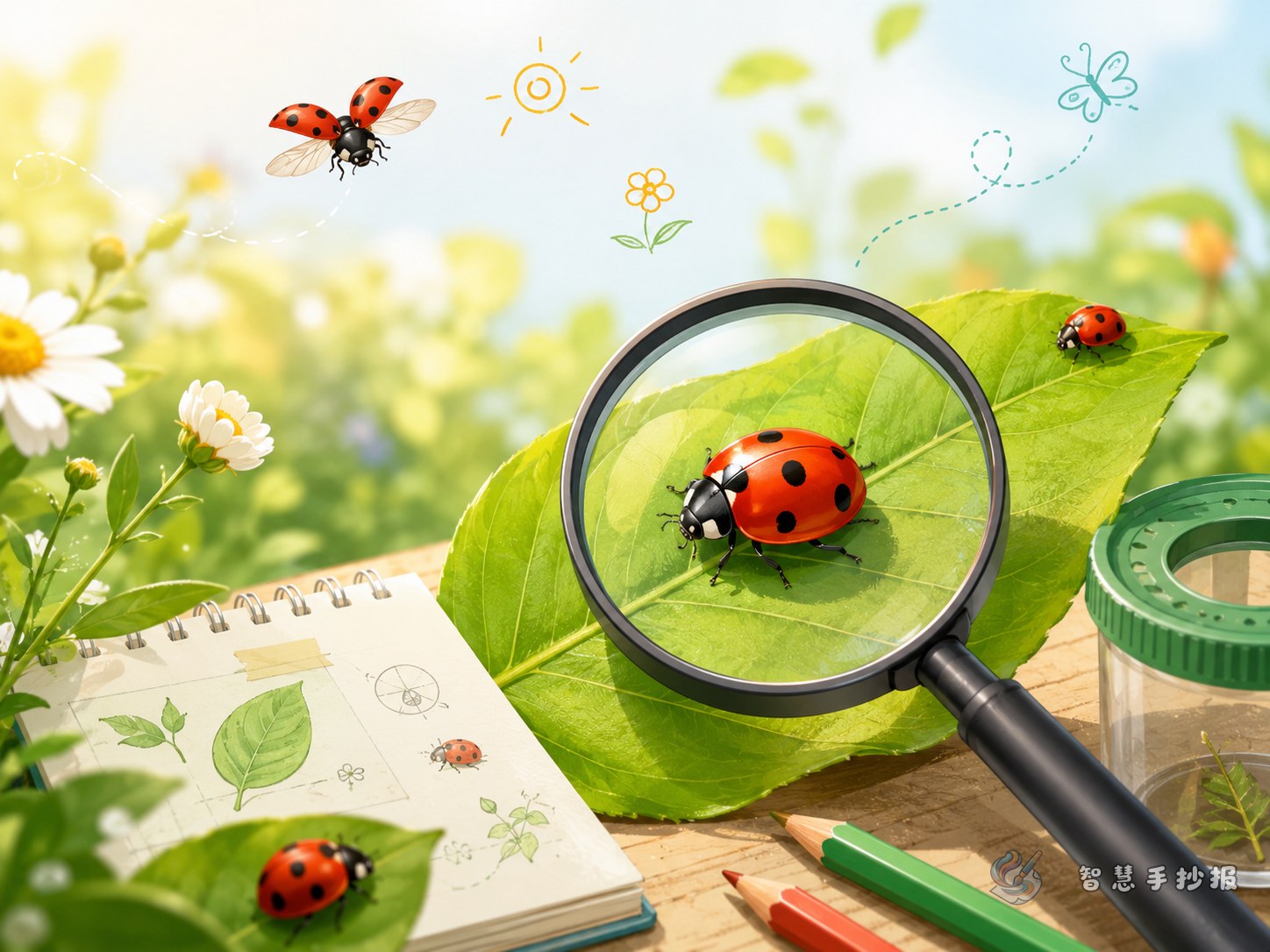
A ladybug poster looks best when the layout feels lively and clear. You can place the main title at the top, draw a large ladybug in the center, and arrange small content boxes around it. This gives the page a clear visual focus and makes it easier to read.
- Title area: use red and black for a strong theme match
- Main drawing area: show a ladybug on a leaf
- Fact section: write about appearance, habits, and food
- Observation section: include your own notes
- Care section: add a small reminder about protecting insects
You can decorate the border with leaves, flowers, grass, or dotted shapes. These simple details make the poster feel natural and child-friendly.
Best Colors for a Ladybug Observation Theme
The ladybug already gives you a strong color direction, so the poster is easy to style. The main colors can be red, black, and green, with a little yellow or light blue to brighten the page.
- Red for the title and the body of the ladybug
- Black for spots, outlines, and important words
- Green for leaves, grass, and the natural background
- Yellow for small headings or note boxes
Do not fill every space with color. Leaving some blank areas will make the page look neater and more balanced.
Small Tips to Make the Poster Stand Out
- Write real observation details instead of only copying facts
- Keep each section short so the page does not look crowded
- Use different text sizes for titles, subtitles, and body text
- Add one or two fun questions, such as why ladybugs have spots
- Check handwriting and color matching before finishing
Once you have your content and layout idea, you can turn it into a complete poster. If you want to adjust sections, try another style, or finish faster, you can continue creating in the Zhihui Shouchao Bao WeChat mini program.