Keep the topic simple for younger children
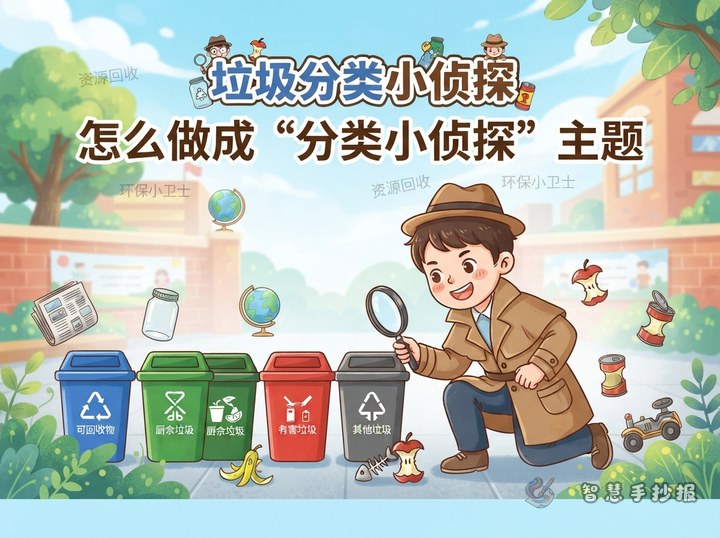
For lower-grade students, the goal of a poster is not to include a lot of hard information. It should be easy to understand at a glance. A waste sorting theme works well when the page feels like a friendly reminder card that helps children know where different kinds of trash should go.
You can choose a warm and child-friendly title such as “I Can Sort Waste,” “Small Hands, Clean Earth,” or “Let’s Put Trash in the Right Bin.” A short title with bright colors usually fits younger students better.
Three content blocks are enough
1. Know the main waste categories
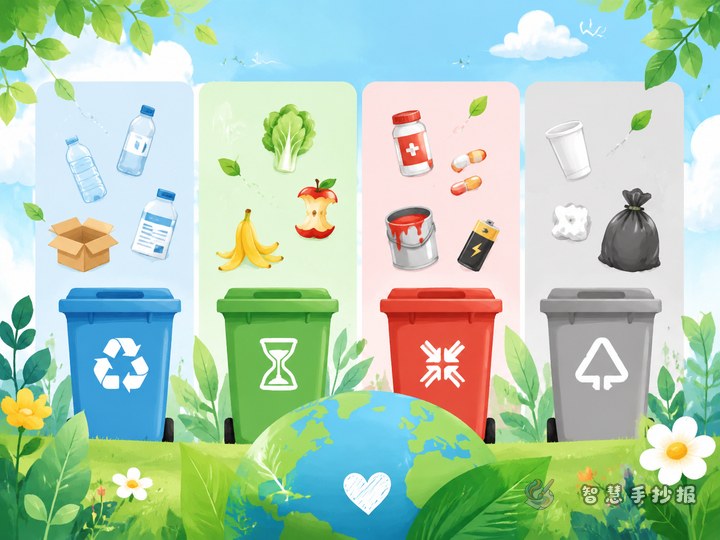
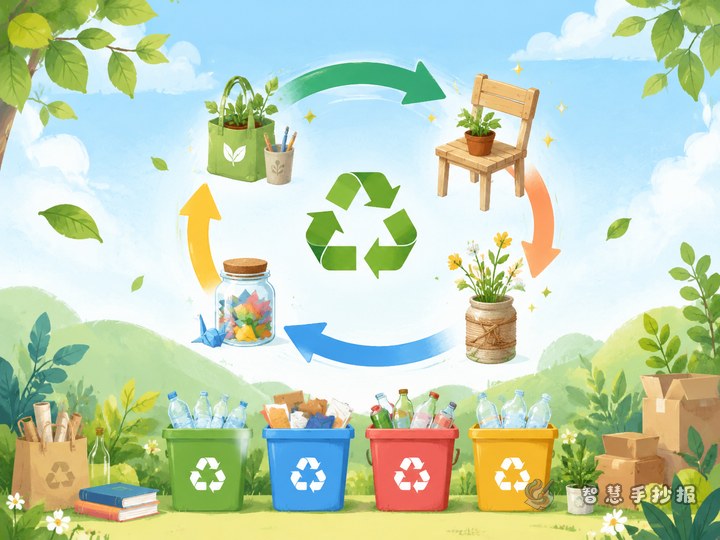
- Recyclables: paper, plastic bottles, metal cans, and other items that can be reused.
- Kitchen waste: fruit peels, vegetable leaves, and leftover food.
- Hazardous waste: batteries, expired medicine, and old light tubes.
- Other waste: things that do not belong to the groups above.
2. Use examples from daily life
This section is especially useful for younger students because it is concrete and easy to draw.
- Banana peels go into kitchen waste.
- Old newspapers go into recyclables.
- Used batteries go into hazardous waste.
- Used tissues usually go into other waste.
3. Add actions children can do
- Look before throwing trash away.
- Rinse bottles before recycling them.
- Use fewer disposable items.
- Pick up litter when you see it.
- Remind family members to sort waste too.
Short sentences that can be copied directly
- Sort waste well, keep the environment beautiful.
- Learn waste sorting and build good habits.
- Recycle useful items and save resources.
- Small bins, big knowledge.
- Start with me and keep the campus clean.
If there is still space on the page, children can add a personal sentence such as “Today I learned how to sort waste” or “Protecting the environment starts with daily habits.” That gives the poster a more genuine child’s voice.
A clean layout earns more points
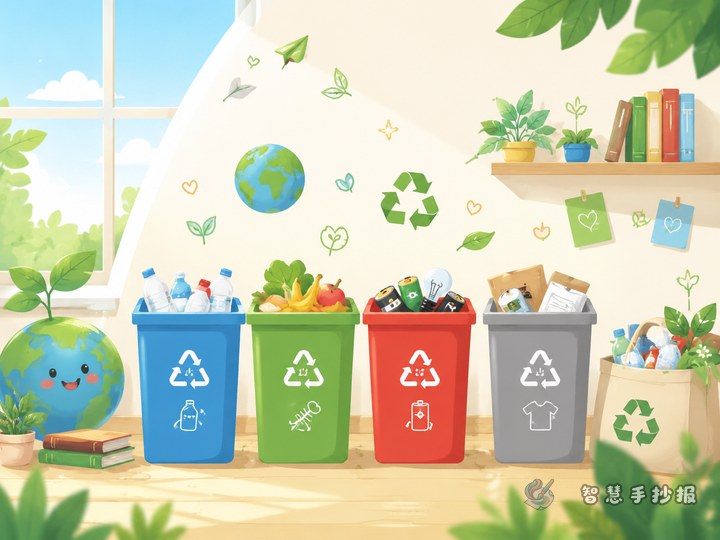
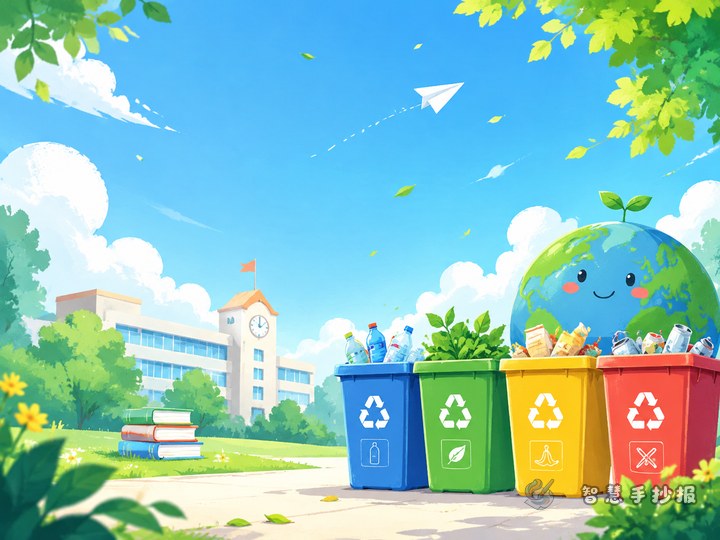
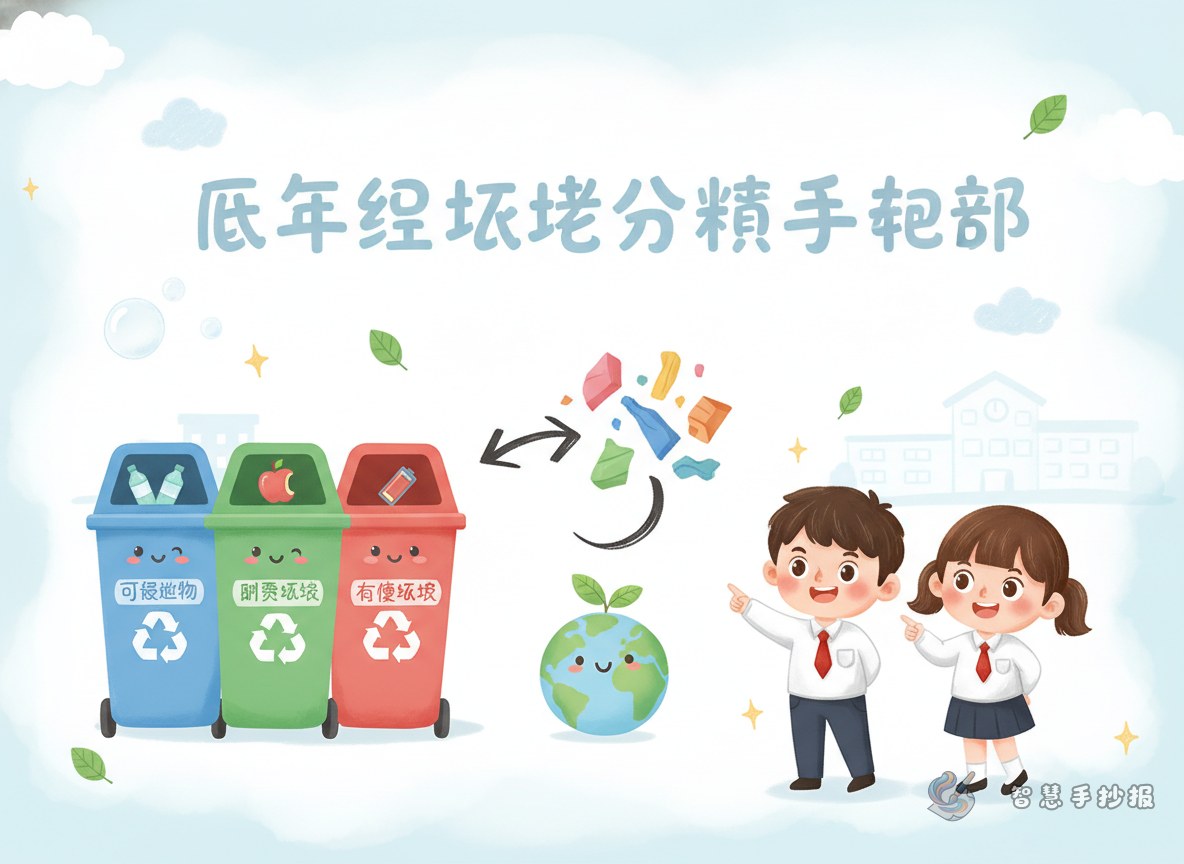
A poster for younger students should never feel crowded. Try a top-and-middle structure: put the main title at the top, draw four cute bins in the center, and place two or three text boxes underneath. Each box should contain only a few lines of writing and one simple drawing, such as a leaf, the earth, or a recycling sign.
Fresh colors like green, blue, and yellow work well. Keep the borders light, and make the handwriting slightly larger so teachers and classmates can read it easily. A clear title, balanced sections, and enough blank space will make the whole poster look much better.
One final touch to complete the poster
At the end, add a small promise section, such as “I promise not to litter” or “I will help my family sort waste.” This kind of short closing line makes the work feel complete and meaningful.
If the ideas are ready but the page still needs polishing, students and parents can continue improving the layout and decorations in the Zhihui Shouchaobao WeChat mini program.