Turn the Topic into a “Consonant Sound Detective” Board
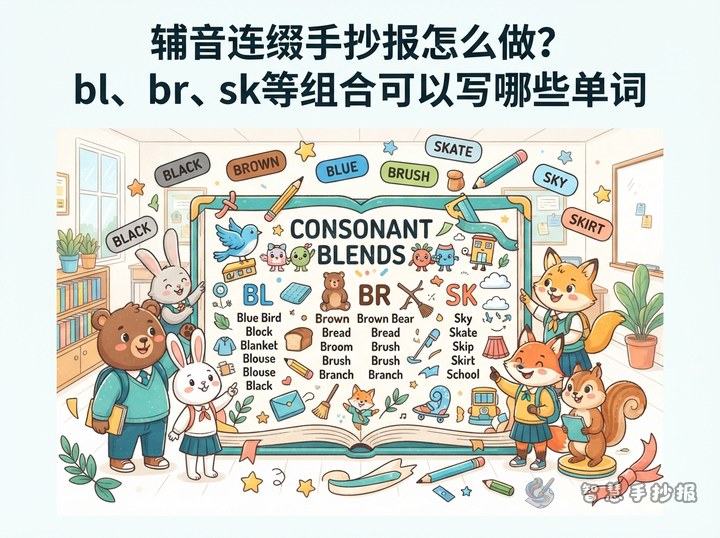
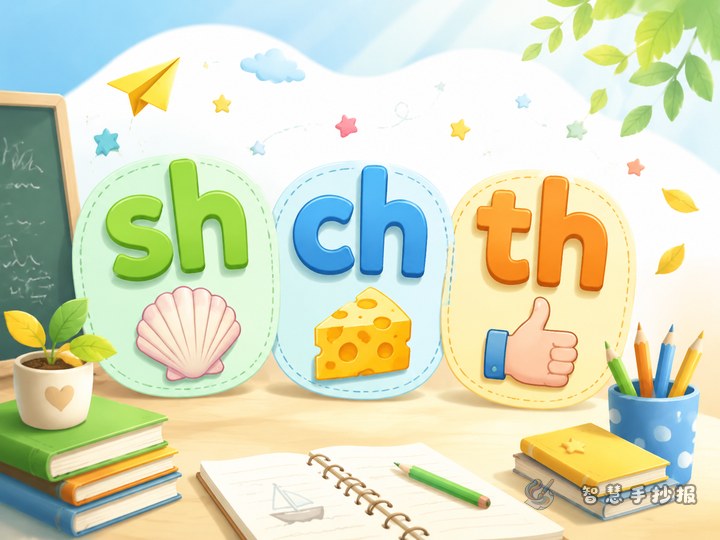
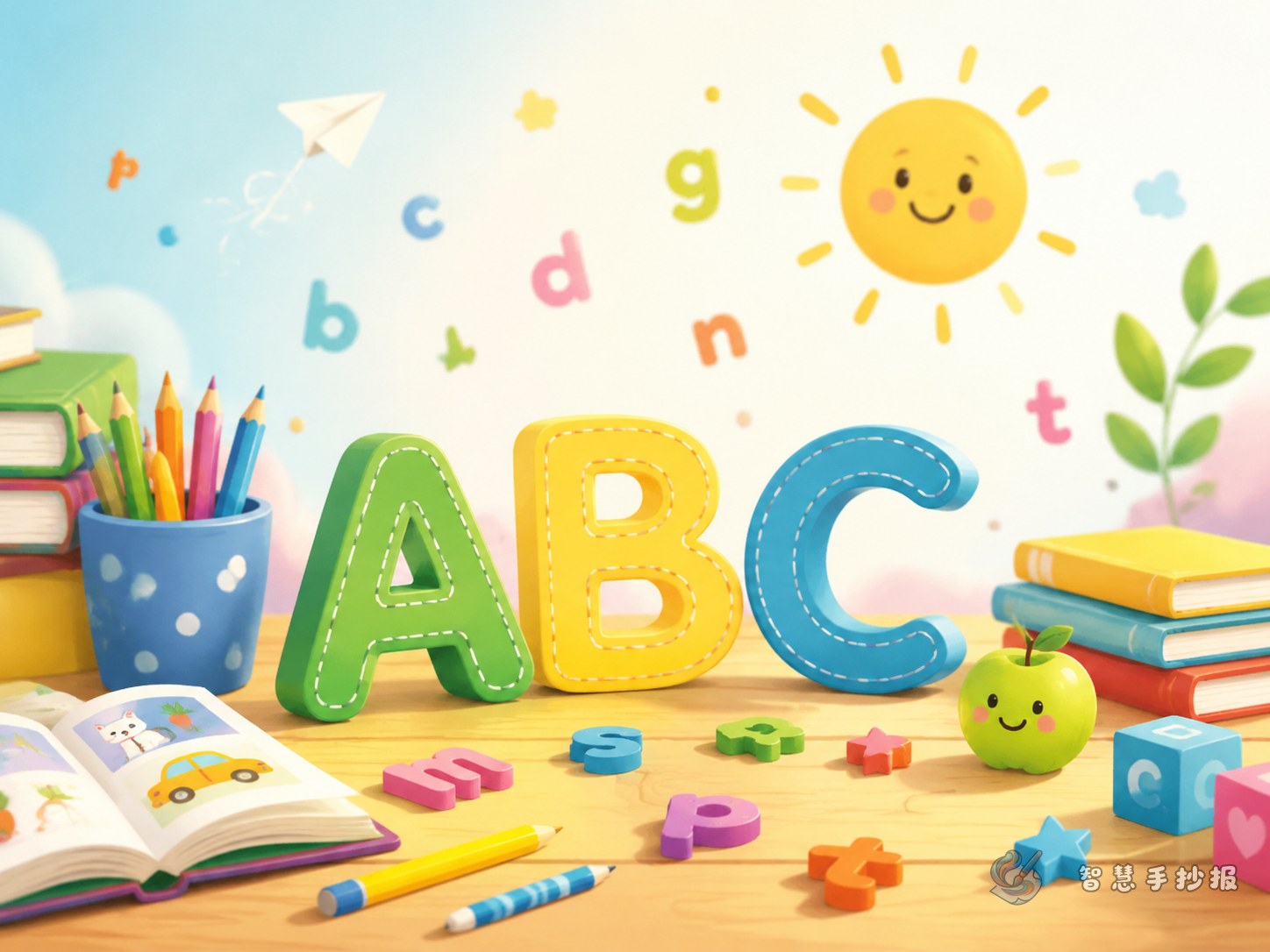
This type of handwritten newspaper should not simply copy the alphabet from A to Z. It works better when students choose common consonant letters such as b, c, d, f, g, h, m, p, s, and t, then show how each letter looks, what sound it often makes, and which simple words begin with it.
The main title can be Letter Sound Detectives, Find the First Sound, or I Can Hear the Beginning Sound. Each letter can become a small clue: write the uppercase and lowercase forms, add a short sound note, and list two or three easy words.
Useful Consonant Word Materials
Beginning Sound Word Cards
- b: bag, book, ball. These words are easy to draw and remember.
- c: cat, cup, cake. You can note that c often says /k/ in these words.
- d: dog, desk, duck. Simple pictures make this group clear.
- f: fish, fan, five. This set is good for a “Listen to f” box.
- m: map, milk, moon. Add small icons of a map, milk, and the moon.
- t: ten, tiger, top. Tiger paw prints can be used as a border.
A Short Phonics Tip
A simple sentence for the board is: Look at the first letter. Say the sound. Read the word. This is clearer than copying many random words, and it helps primary school students understand the purpose of phonics.
Make the Layout Feel Like a Game
- Level 1: Letter Match: write uppercase and lowercase pairs such as B b, D d, and M m.
- Level 2: Sound Friends: connect each letter with a word, such as b—ball and m—milk.
- Level 3: Word Bank: collect three short words for each beginning sound.
- Level 4: Read a Sentence: add easy sentences such as I see a cat. and This is my bag.
A game-style structure makes the handwritten newspaper more lively and helps classmates understand the learning points quickly.
Clean and Bright Page Arrangement
Try a three-part layout: place the title and letter decorations at the top, use colorful boxes for consonant sounds and words in the middle, and put a chant, simple sentences, and a mini exercise at the bottom. Bright colors such as blue, yellow, and green are suitable, but avoid making every word too colorful to read.
For A4 paper, focus on about six consonant letters. For a larger sheet, choose around ten letters and add a small section called “Find English Words Around Us.” If you want a quick layout draft, you can continue making the board in the Zhihui Shouchaobao WeChat mini program.
Short Text Students Can Copy
Consonant sounds help us read words. When we see the first letter, we can try to say its sound. B is for ball, M is for milk, and T is for tiger. Let us listen, say and read. Learning letter sounds makes English words easier and more fun.
Students can also add a short explanation: beginning sounds help us recognize words. If we learn a few simple words every day, we can build our own English word bank little by little.