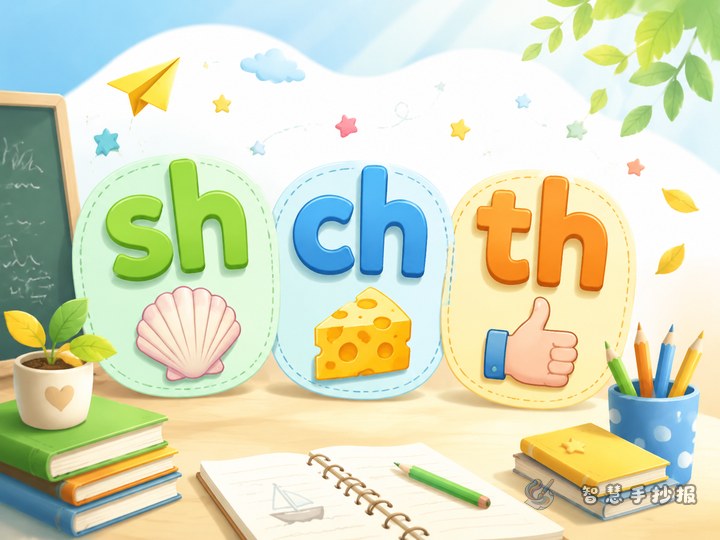
Use Short Vowels as the Main Learning Path
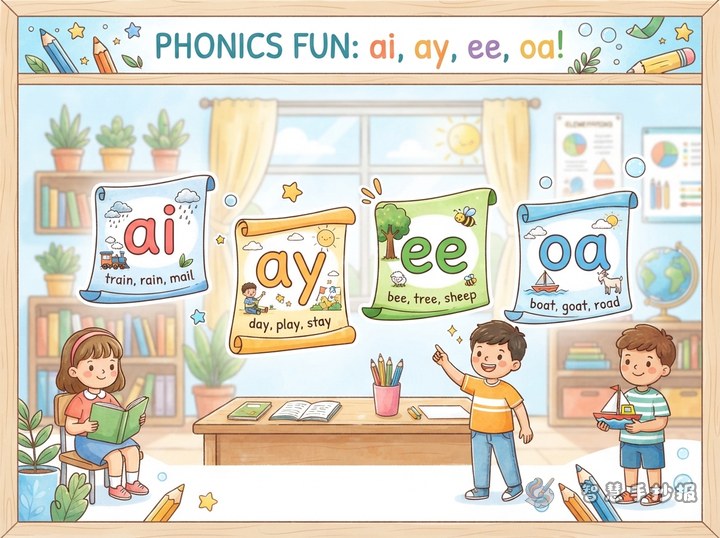
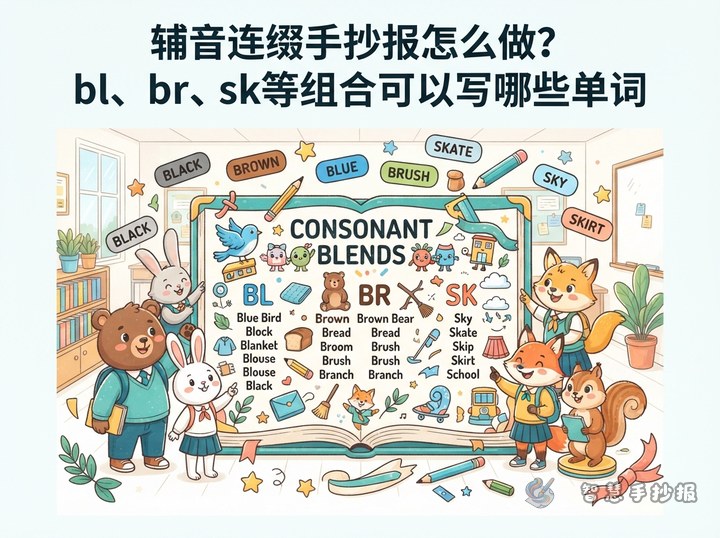
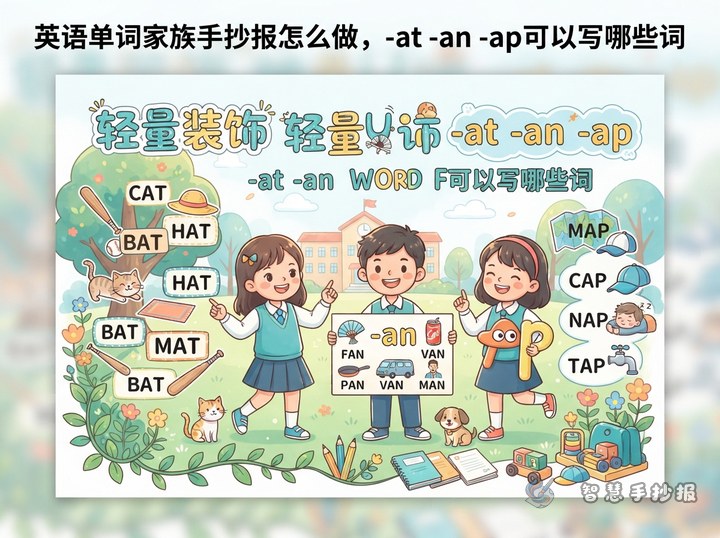
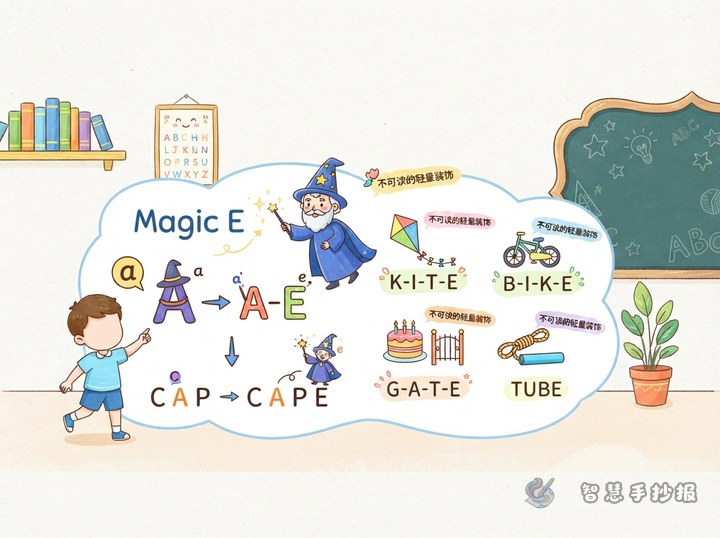
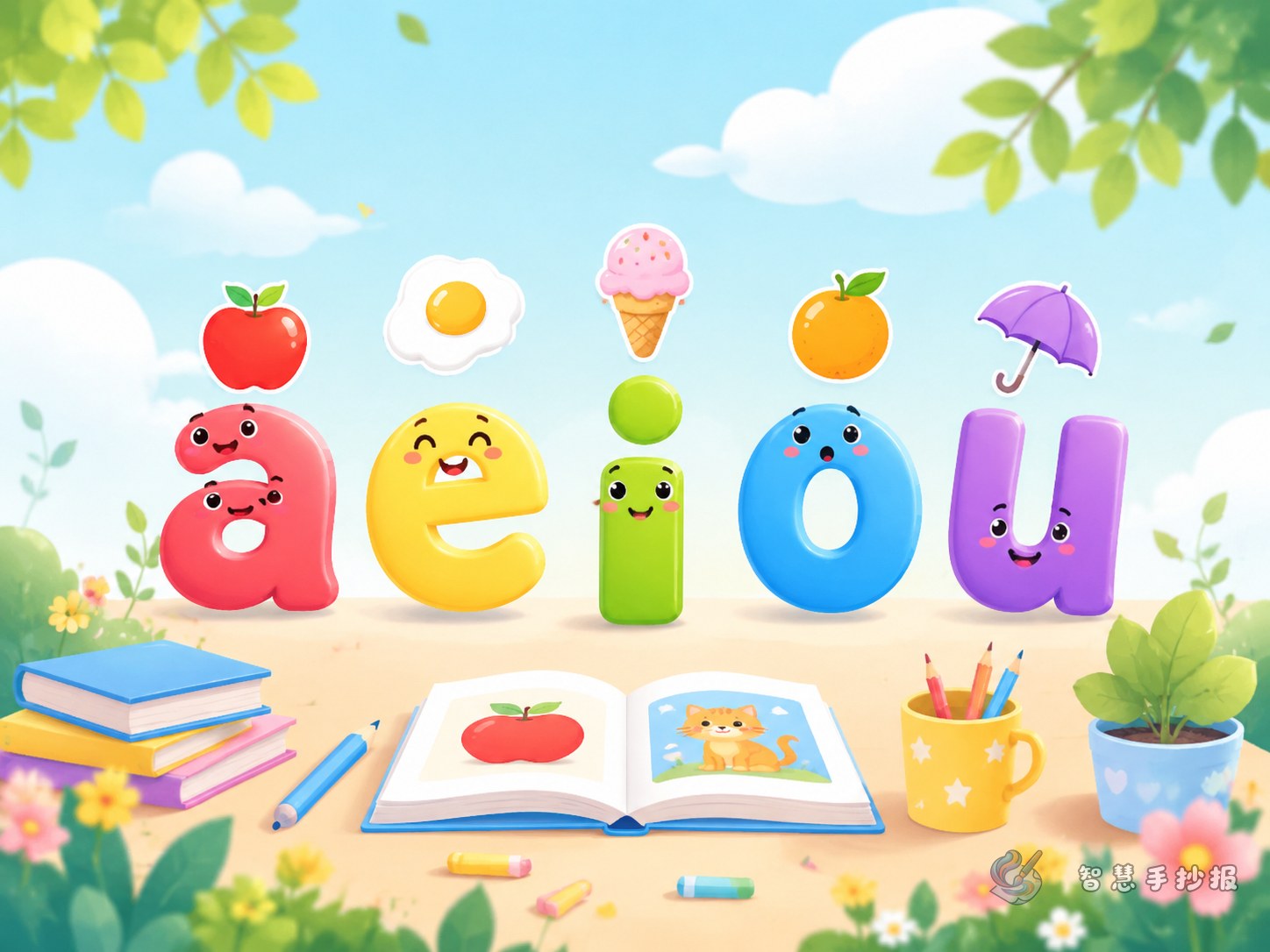
If a child is just beginning English phonics, building the whole handwritten newspaper around short vowels a, e, i, o, and u is a smart and clear choice. Instead of listing random words, the page can connect one vowel, one sound, and a small group of words in a way that feels easy to follow.
This kind of theme works well for classroom display, homework projects, and vocabulary review at home.
Keep the Sections Simple and Easy to Read
1. Five Vowel Sound Corners
- Aa: cat, bag, cap
- Ee: bed, pen, hen
- Ii: pig, fish, sit
- Oo: dog, box, fox
- Uu: sun, bus, cup
Each part can follow a very simple order: letter, sound, words, and a tiny picture. That makes it perfect for young readers.
2. Read It Aloud
Add a tiny reading section with short lines such as: A says a. Cat, cat, cat. E says e. Pen, pen, pen. This turns the poster into something children can practice, not just look at.
3. Find the Matching Words
You can also add a mini game in one corner. For example, ask children to find the short a words among cat, bag, sun, and cap. A small task like this makes the page more lively.
Ready-to-Use Text Materials
These short English lines fit naturally into the body of a handwritten newspaper:
- Short vowels are fun to read.
- A in cat, E in pen, I in pig, O in dog, U in sun.
- We learn letters, sounds and words together.
- Read the word, say the sound, remember the spelling.
If needed, you may also add one-line notes in simple language to guide children step by step.
Try a Flower Layout or a Learning Map
A short-vowel topic works especially well with a center-and-sections layout. Put the title in the middle and arrange five blocks around it for a, e, i, o, and u. Use different border colors for each vowel so children can quickly tell them apart.
- Place the main title in the center, such as “Short Vowel Word Garden”.
- Use the top corners for letter cards or sound labels.
- Reserve the bottom area for a reading or matching activity.
- Decorate the border with simple doodles like an apple, egg, pig, dog, or sun.
If the child is not confident with spacing, sketch the boxes lightly in pencil first and then write neatly inside them.
Choose Less Content, but Choose It Well
The biggest mistake in a Grade 1 English handwritten newspaper is trying to include too much. A few familiar words are better than a long list. Large handwriting, clear spacing, and useful examples will make the final page more effective and more attractive.
Parents and teachers can ask the child to read each word aloud before writing it onto the final page. That way, the handwritten newspaper becomes both a display project and a real learning tool. If you want to improve the layout further, you can continue the design in the Smart Handwritten Newspaper WeChat mini program.