Start with a clear idea of the theme
A Laba Festival handwritten newspaper does not need too much text. The most important thing is to help readers understand what the festival is, why it is celebrated, and what people do on that day. If you organize the page around origin, customs, food, and New Year atmosphere, the result will feel complete and student-friendly.
You can also connect the festival with winter traditions so the newspaper feels warm and lively instead of just factual.
Core information students can write directly
1. Basic introduction
Laba Festival falls on the eighth day of the twelfth lunar month. It is a traditional Chinese festival, and its name comes directly from that date. Many people see it as an important sign that New Year preparations have begun.
2. A short explanation of its origin
There are different folk explanations for the festival’s origin. A simple school-friendly way to write it is this: in ancient times, people held end-of-year activities to pray for peace, harvest, and good fortune, and over time these practices developed into the customs of Laba Festival.
3. Typical customs
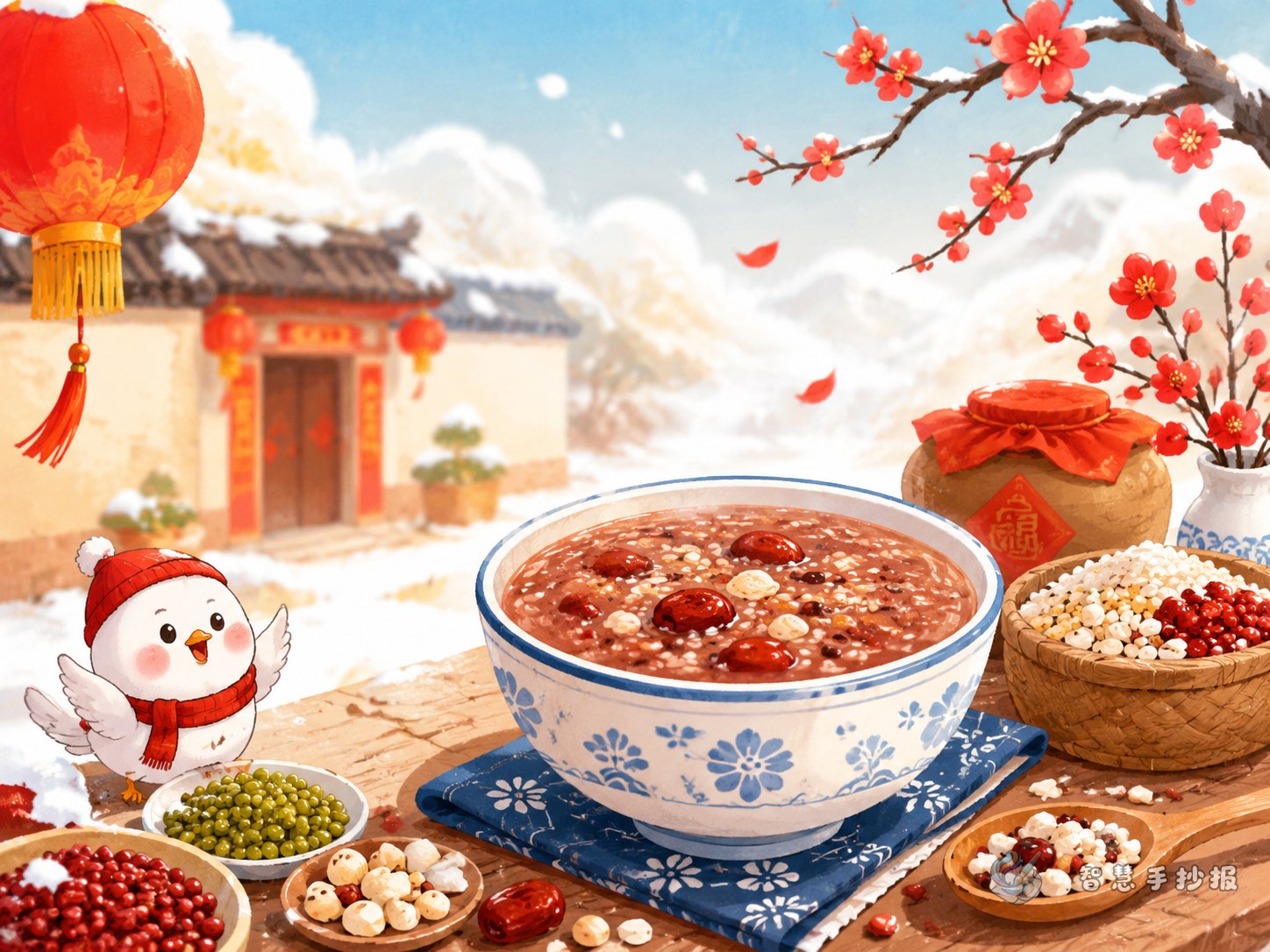
- Eating Laba porridge: A mix of grains, beans, nuts, and dried fruits, symbolizing harvest and togetherness.
- Making Laba garlic: Garlic cloves are soaked in vinegar and gradually turn green, which is a well-known seasonal custom in some areas.
- Praying for blessings: Some families connect the day with remembrance and hopes for a peaceful year.
- Welcoming the New Year: After Laba, the feeling of the Spring Festival grows stronger.
Better section ideas for the page
Instead of using only two sections called “origin” and “customs,” you can divide the content into smaller and more interesting parts.
- Festival facts: date, name, and season.
- The story of Laba: a short and easy origin note.
- Customs corner: porridge, garlic, and festive family traditions.
- Food on the holiday table: ingredients and meaning of Laba porridge.
- My thoughts: one or two personal lines to make the work feel unique.
This structure makes the page feel like a real handwritten newspaper rather than a pile of copied notes.
Use food-themed layout ideas
The most recognizable image of Laba Festival is a bowl of porridge, so the layout can be designed around that idea. For example, place the title at the top, draw a large bowl in the center, and arrange text boxes around it like ingredient cards.
- Choose warm colors such as red, gold, and creamy white.
- Decorate the border with beans, dates, peanuts, lotus seeds, or garlic shapes.
- Use lantern, scroll, or cloud shapes for small subtitles.
- Do not fill every blank space with text; leave room so the page looks neat.
Short lines to decorate the poster
- After Laba, the New Year is near.
- A bowl of Laba porridge brings warmth to winter.
- Traditional festivals keep culture alive.
- Taste the porridge, welcome the season.
- From Laba onward, the New Year steps closer.
These short lines work well under the title, at the end of the page, or in empty areas as decoration.
Final tips for making the work better
Do not let the content become too scattered. If you cover the date, name, origin, customs, food, and decoration ideas, your handwritten newspaper is already complete. Parents and teachers can first help children make a small outline and then decide which parts should be larger or smaller on the page.
If you want more layout inspiration and ready-made design help, you can continue improving your work in the Smart Handwritten Newspaper WeChat mini program.