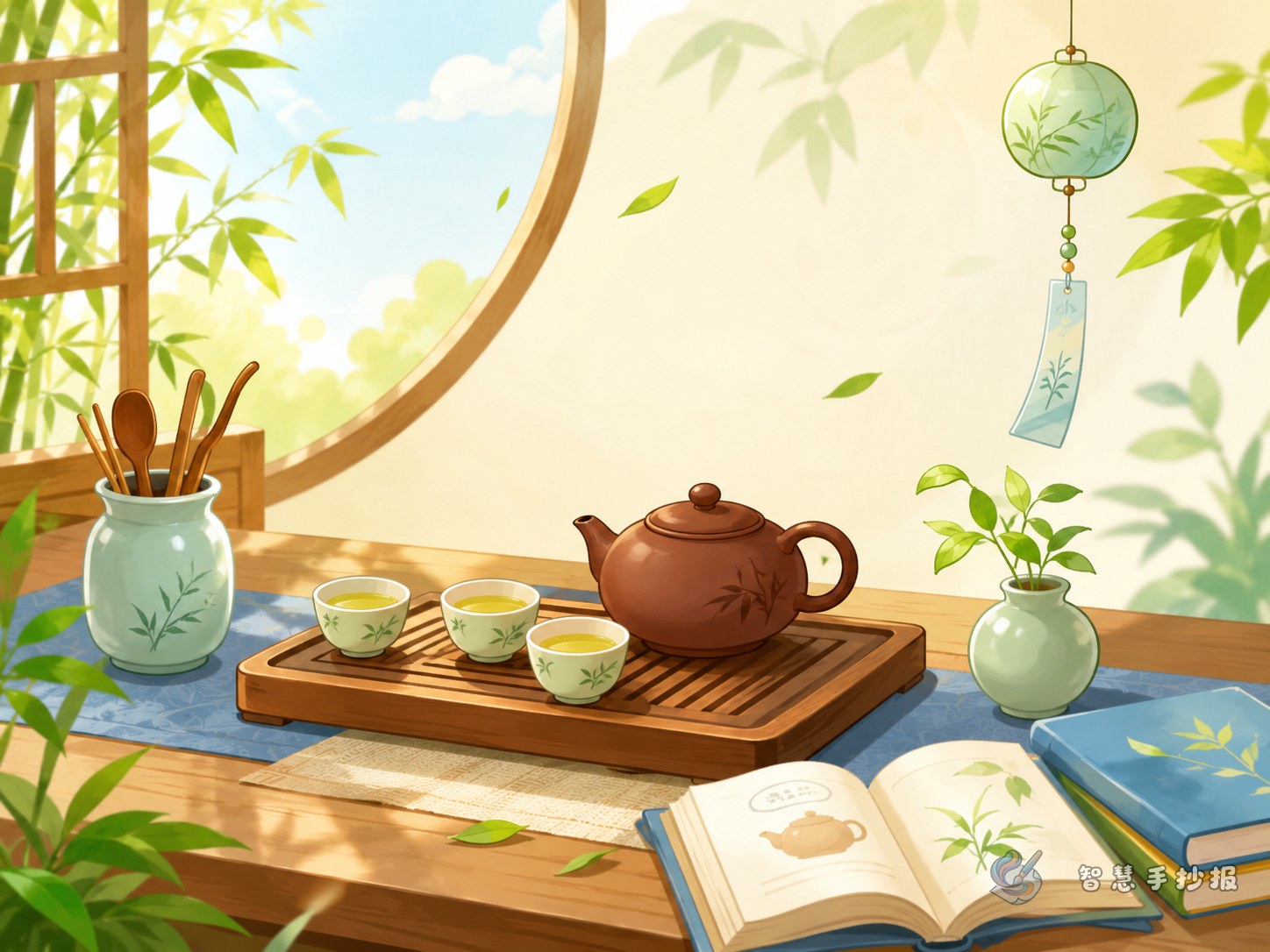
Decide the main message before writing
The key point of a tea table etiquette handwritten newspaper is not listing many kinds of tea. It is about showing good manners and order in a tea setting. For students, the topic can be understood as learning how to be polite, calm, and respectful during tea time.
That means the whole page should stay centered on etiquette, while tea culture elements are used as supporting decorations. This keeps the theme focused and easy to read.
Five simple sections are enough
1. What is a tea table?
Start with a short introduction: a tea table is a place for drinking tea, communicating with others, and experiencing culture and manners. Tea is not only about taste, but also about respect and calm behavior.
2. Seating and watching politely
- Take a seat in order and do not rush for places.
- Sit properly instead of leaning around.
- Stay quiet while watching tea preparation.
- Do not run or play near the tea setting.
3. Receiving tea and saying thanks
- Receive the teacup with both hands to show respect.
- Say thank you softly after receiving tea.
- Drink carefully and avoid spilling.
- Put the cup back gently after drinking.
4. Good behavior during tea time
- Speak softly and avoid shouting.
- Keep the table clean and tidy.
- Do not touch other people's tea tools without permission.
- Be patient when observing the tea and its aroma.
5. What I learned from tea etiquette
Students can end with a reflection such as: Tea etiquette teaches me that manners are shown in small actions like sitting well, speaking kindly, receiving things politely, and thanking others.
Short writing materials students can use
Text 1: Tea table etiquette values calmness and respect. When people share tea, they should speak gently, move carefully, and show courtesy to others.
Text 2: A small tea table can reflect a person's habits. Cleanliness, patience, and polite behavior make the tea setting warm and pleasant.
Text 3: Tea etiquette is not only an old tradition. It also inspires us today to listen well, value others, and appreciate careful work.
How to arrange the page
For a horizontal page, place the main title in the center. Put the introduction and seating manners on the left, receiving tea and behavior rules on the right, and a reflection at the bottom. For a vertical page, arrange the content from top to bottom for a clear reading flow.
Use light green, beige, and soft brown for the border or headings to create a tea-themed feeling. Rounded title lettering and neat smaller subtitles will make the page more student-friendly.
Keep the decorations light and neat
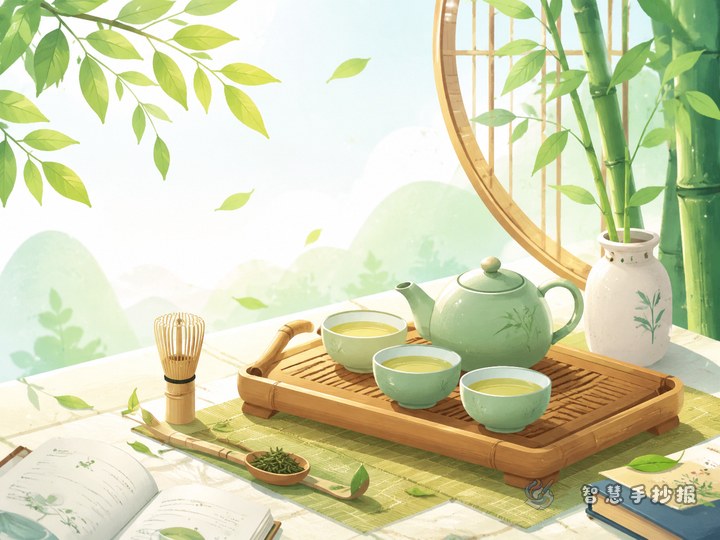
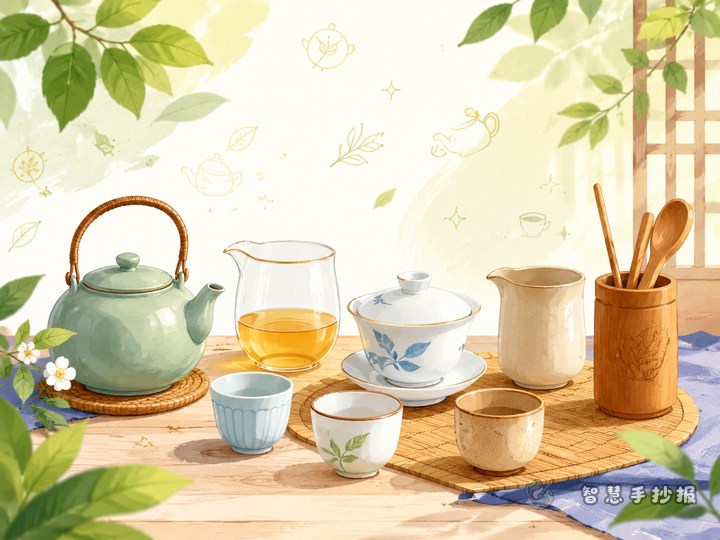
- Draw a small teapot beside the main title.
- Use teacups, leaves, or water-drop shapes as section markers.
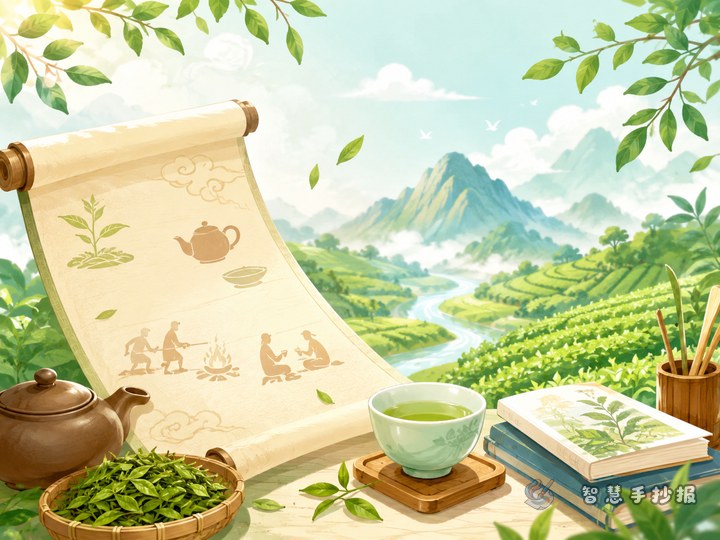
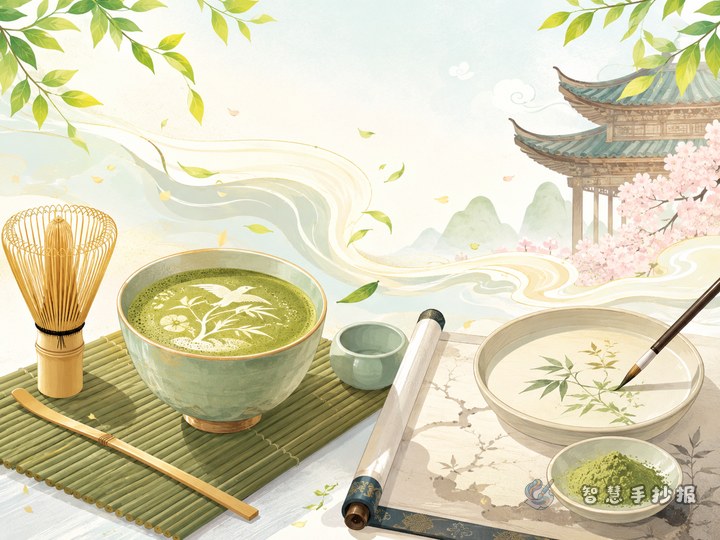
- Add bamboo leaves, mountain lines, or steam curves in the corners.
- Leave enough blank space so the page does not feel crowded.
A good handwritten newspaper does not need every space filled. Tea culture themes look especially nice with a calm and clean visual style.
Check these three things before finishing
- Make sure the whole page stays focused on tea table etiquette, not general tea knowledge.
- Keep the writing short and easy to understand.
- Make the title and key sections stand out clearly.
If more title styles, border ideas, or page arrangement help is needed, readers can continue exploring the Smart Handwritten Newspaper WeChat mini program.