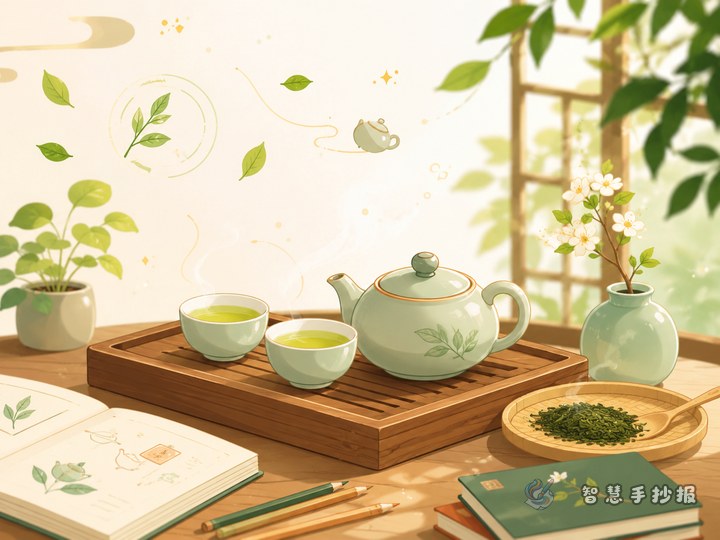
Start with a clear focus: learning the names of tea utensils
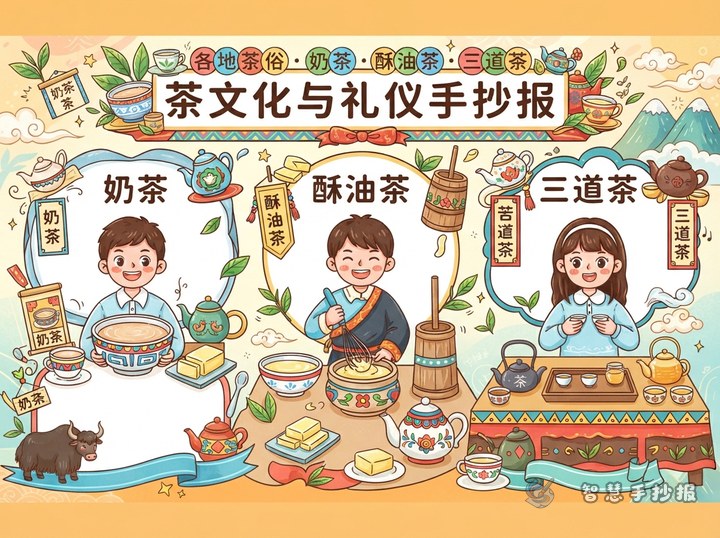
If you want a tea-themed handwritten newspaper that is easy to write and easy to draw, tea utensil names are a smart topic. Instead of covering all of tea culture, students can focus on visible, simple items such as a teapot, teacup, gaiwan, and tea tray. The page can be built around names, uses, etiquette, and simple categories.
A title like “Tea Utensils I Know” or “A Simple Guide to Tea Utensils” works well for school assignments and is easy for readers to understand at a glance.
Simple tea utensil facts students can copy
Each item only needs one short sentence. That keeps the content neat and easy to read.
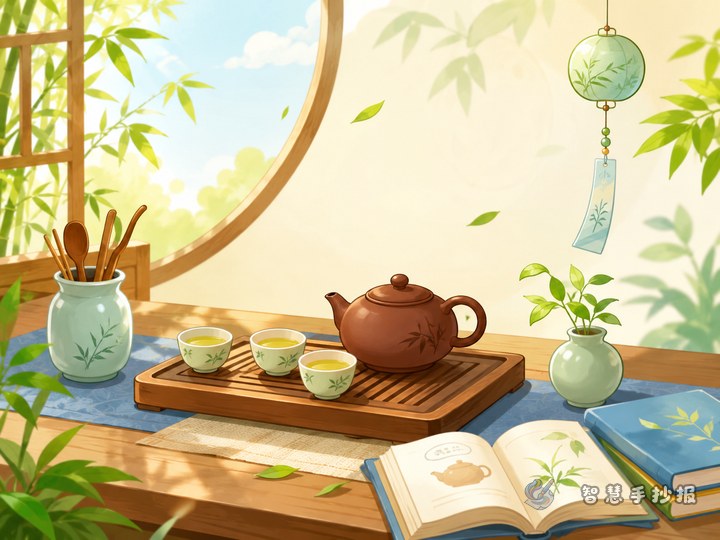
- Teapot: Used to brew tea and pour tea.
- Teacup: Used for holding and drinking tea.
- Gaiwan: A lidded bowl that can be used for brewing and tasting tea.
- Fairness cup: Tea is poured into it first so the tea can be shared evenly.
- Tea tray: Holds the utensils and keeps the tea table tidy.
- Tea scoop: Used to take dry tea leaves.
- Tea tongs: Used to pick up cups safely and neatly.
- Tea towel: Used to wipe utensils and the table area.
If space is limited, choosing five utensils is already enough for a complete page.
Sections that make the page more organized
Instead of writing one long block of text, divide the content into small sections.
- Name and recognize: Introduce each utensil and its job.
- Simple categories: Brewing tools, serving tools, drinking tools, and helper tools.
- Etiquette corner: Add short reminders about polite tea behavior.
- My favorite utensil: Include one personal sentence to make the page feel lively.
This structure makes the handwritten newspaper feel more creative and less like a plain list.
Short etiquette lines that fit the theme
A tea culture page should also include a few polite habits. These short lines are easy to use:
- Arrange tea utensils neatly.
- Hold and serve tea carefully and steadily.
- Offer tea politely, preferably with both hands.
- Keep shared utensils clean.
- Drink tea quietly and respectfully.
These are especially useful in side boxes, speech bubbles, or corner notes.
Fresh layout ideas for a better-looking page
A creative option is to place a large teapot or gaiwan drawing in the center and arrange small utensil cards around it. Each card can include the name, a tiny drawing, and one short use. This makes the page easy to follow.
Another idea is a “tea table map.” Draw a tea tray in the middle and place each utensil where it would normally go. Then add short labels around the drawing. This layout feels lively and educational at the same time.
Soft colors such as light green, beige, tea brown, and pale orange match the calm feeling of tea culture well.
How to fill extra space without making the page messy
If the page still feels empty after the main content is done, add small extras such as a tea-themed reminder, a simple cleaning tip, or one sentence about what you noticed about tea sets at home. Keep every addition short and useful.
After finishing the content, check whether the title is clear, the handwriting is neat, and the pictures match the topic. If you want to continue arranging the page more easily, you can also use the Zhihui Handwritten Newspaper WeChat mini program for the next step.