Turn the theme into “I saw history in the museum”
This kind of handwritten newspaper works best when it begins with a real visit experience instead of a dry list of facts. Think of the whole page as a mini exhibition diary: where you went, what you saw, what you learned, and how people should protect cultural relics. That makes the work feel natural and suitable for students.
The main title can be something like “A Walk into the Museum,” “My Conversation with Artifacts,” or “A History Lesson in the Museum.” A small subtitle may include the museum name, visit date, or activity topic.
Four sections that are easy to use
1. My visit notes
Write a few sentences about when you visited, which halls you saw, and what impressed you most. Keep it simple and personal.
2. My favorite artifact
Choose one artifact to introduce. You can describe its shape, use, historical period, and why it caught your attention. One or two examples are enough.
3. Short history facts
This part is good for quick facts such as why artifacts are valuable, what museums do, or what ancient daily objects tell us about the past.
4. Museum manners
You can include reminders like speaking quietly, not touching exhibits, following the route, and listening carefully to guides. This gives the page both knowledge and educational value.
Ready-to-use writing lines
- Opening line: Walking into a museum feels like opening a three-dimensional history book.
- Feeling line: Through each artifact, I seemed to see the lives and wisdom of people from long ago.
- Knowledge line: Cultural relics record the past and remind us to protect cultural heritage today.
- Ending line: Visiting the museum helped me understand that history is not far away; it is a memory worth protecting.
You may also add short notes about bronze ware, porcelain, ancient paintings, or old tools, but keep the writing clear and not too crowded.
Design the page like a small gallery
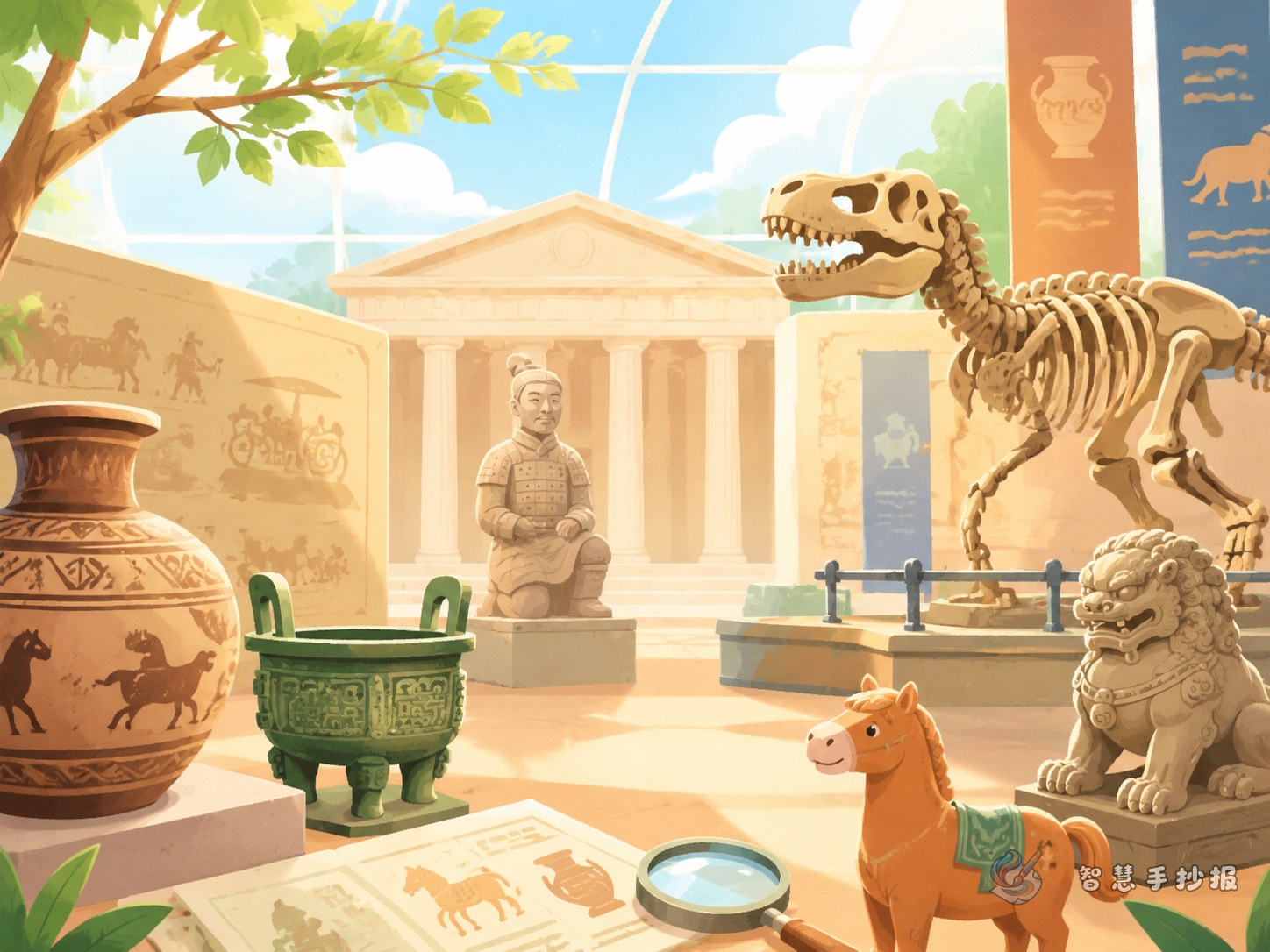
A gallery-style layout fits this theme very well. You can divide the page into three parts: visit notes on the left, the main title and key artifact in the center, and history facts plus museum manners on the right. A timeline layout also works well if you want to show historical change.
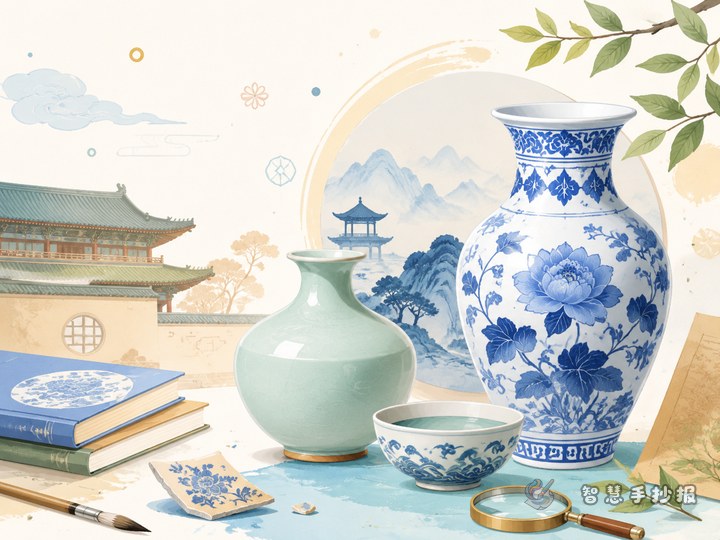
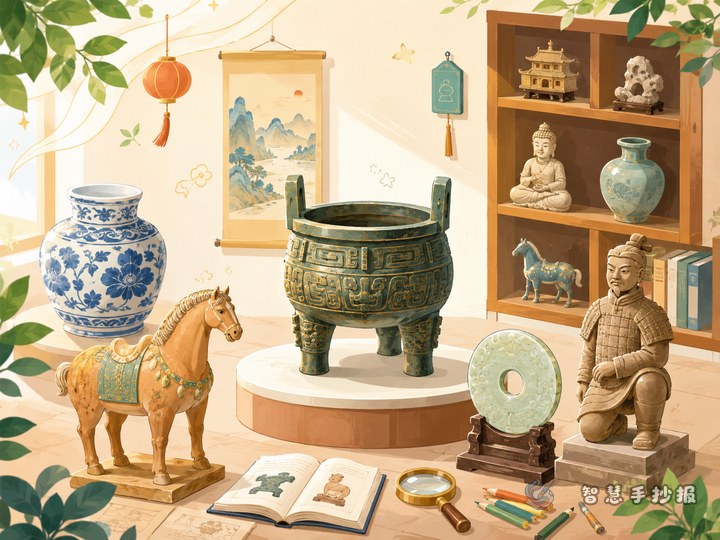
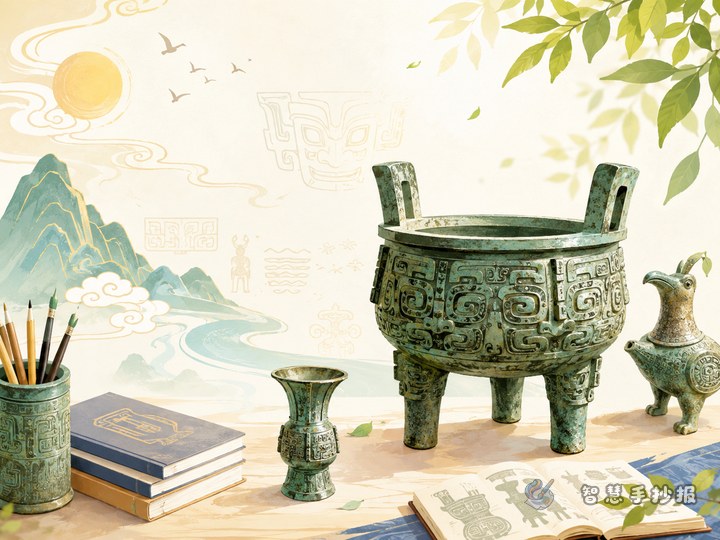
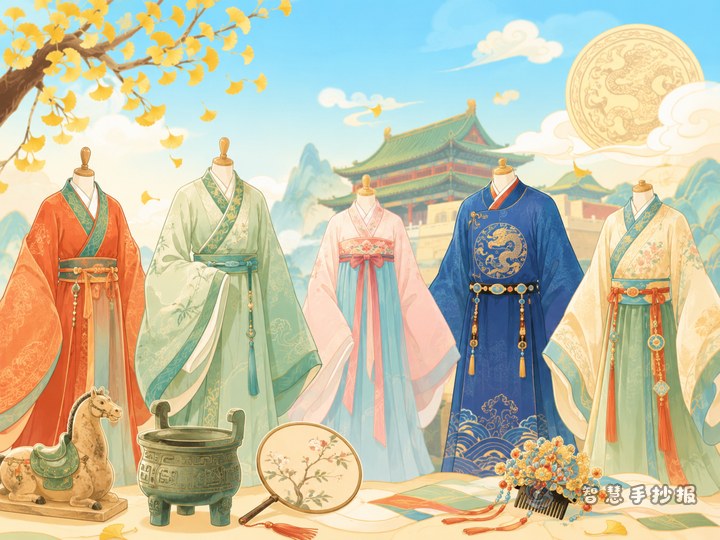
For decoration, use scrolls, seal shapes, bronze patterns, roof tiles, or simple museum building sketches. Small drawings of pottery, bronze tripods, porcelain vases, books, or exhibit labels can make the theme easy to recognize.
Color and writing tips
Colors such as brown, dark green, beige, and brick red help create a museum and history atmosphere. Make the title larger, keep the body text neat, and highlight only a few key words so the page stays clean.
For younger students, short sentences and bullet points are better than long paragraphs. Older students can add extra sections like “What I noticed in the gallery” or “What I want to say to an artifact.”
How to make the work feel personal
The best handwritten newspapers include real observations, such as “I was amazed to see ancient objects up close for the first time” or “Even damaged relics still looked beautiful.” Personal details make the page more vivid and often leave a better impression on teachers.
If you already have a theme and section ideas, you can continue arranging your page in the Zhihui Shouchaobao WeChat mini program to organize titles, columns, and colors more easily.