Start with a focused theme instead of too much information
When making a handwritten newspaper about the origin of tea, the best approach is to answer one clear question: Where did tea come from, and how did it become part of people’s lives? This keeps the page organized and easy for children to understand.
You can choose a title such as “Where Does Tea Come From?” or “The Story of a Tea Leaf.” A title like this feels natural and helps shape the rest of the content.
Easy sections students can actually use
A short story of tea discovery
This part can introduce the traditional story of how tea was first noticed. It does not need to be too academic. A few simple sentences are enough to make the section interesting and readable.
Where tea plants grow
Students can explain that tea plants usually grow in warm and humid places, often in hilly or mountain areas. This also adds a bit of nature knowledge to the page.
How people drank tea in the past
This section can briefly describe how tea drinking changed over time, from early simple methods to more refined habits later on. It gives the poster a sense of history without becoming difficult.
Why tea is still important today
This part can explain that tea is not only a drink, but also a symbol of hospitality, calmness, and cultural tradition. It helps connect old stories with modern life.
- Tea is both a drink and a cultural symbol
- Tea is often linked to courtesy and sharing
- Different places have different tea habits
Use a layout with breathing space
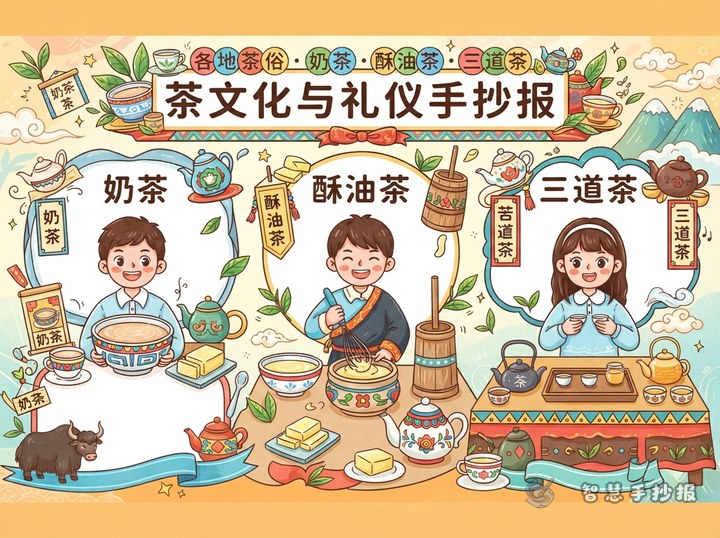
This topic looks especially nice with a clean and calm layout. Place the main title at the top center and decorate it with small tea leaves or a teacup. Divide the rest of the page into three or four content blocks. Do not fill every space with text. Some blank space helps create a gentle tea culture feeling.
- Put the main title and a short opening sentence at the top
- Use the left side for tea discovery and tea plant facts
- Use the right side for ancient tea drinking and modern tea culture
- Add a small reflection box at the bottom
For younger students, rounded borders and larger text work well. For older students, scroll-style headings or simple traditional frames can add a classic touch.
Tea-themed decorations that work well
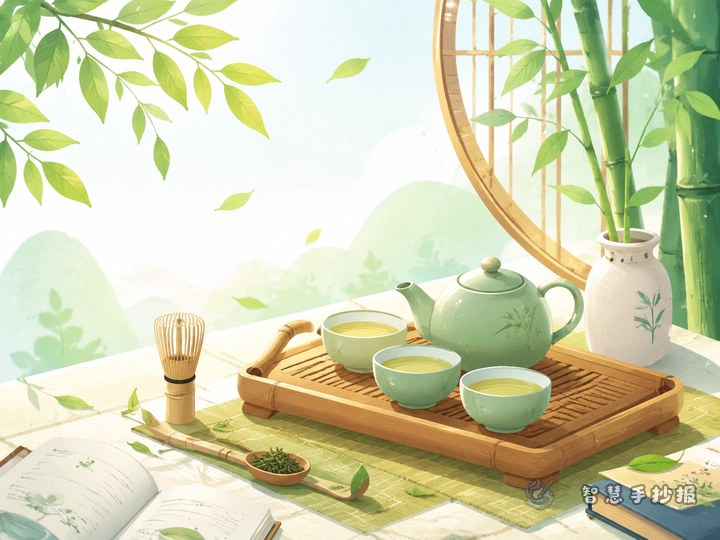
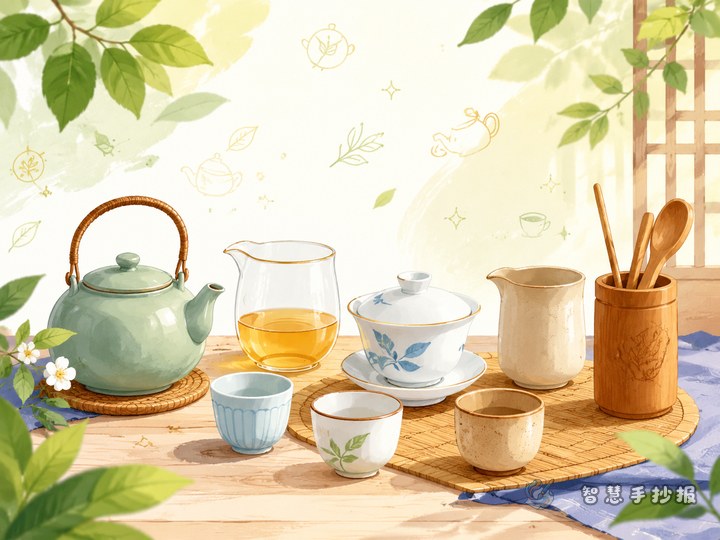
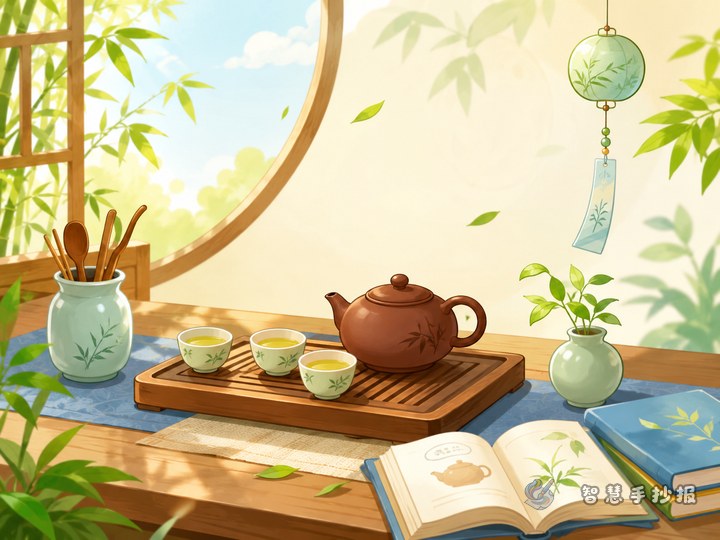
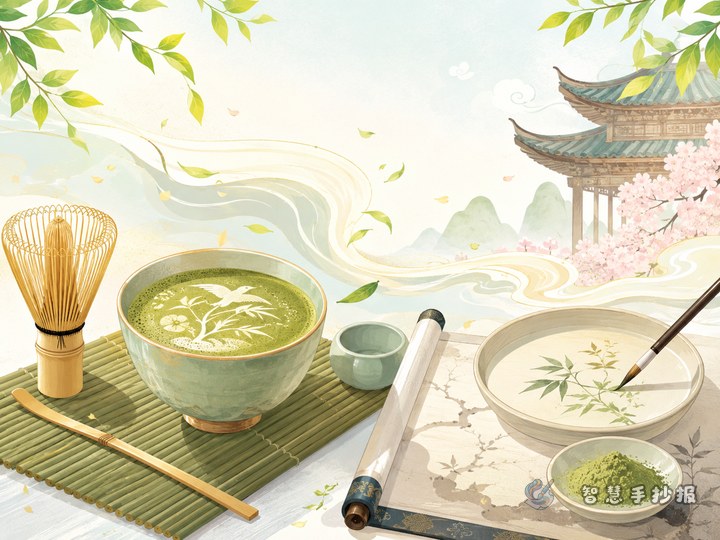
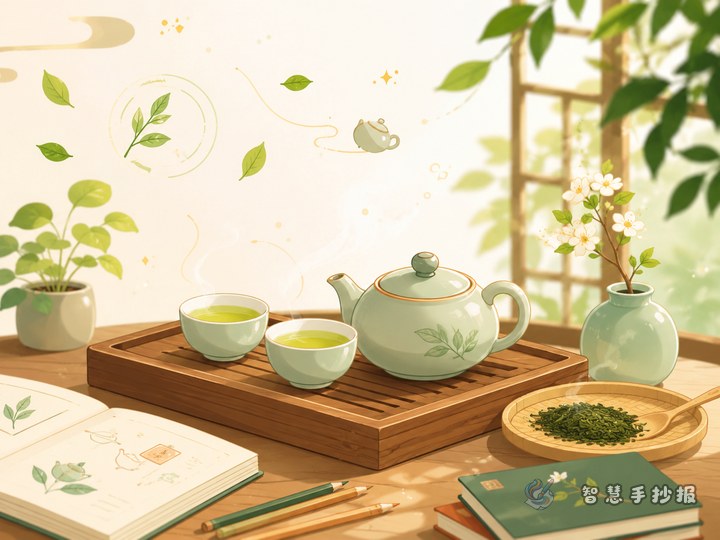
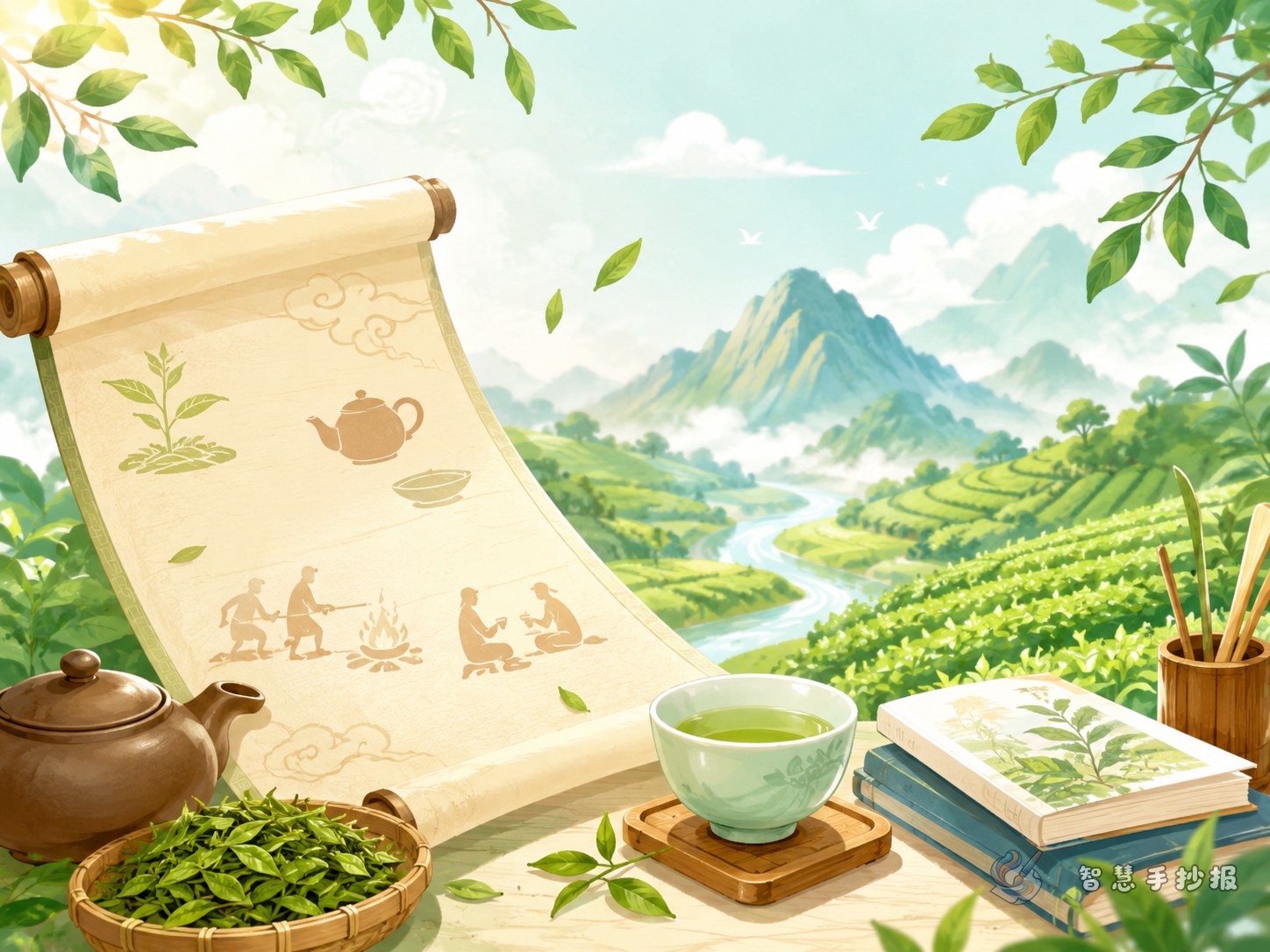
You do not need complicated drawings to make the page attractive. Small teapots, cups, fresh leaves, mountains, bamboo, and window-style borders can all support the theme. Soft green, beige, light brown, and pale yellow create a natural and elegant look.
- Use dark green or brown for the main title
- Add leaf patterns to small borders
- Keep corner drawings small so they do not cover the text
- Add one or two short phrases to make the page feel lively
Add one personal section at the end
Besides facts, students can include a small section such as “What Tea Means to Me” or “My Feelings About Tea.” This makes the handwritten newspaper feel more personal and useful for classroom display. A child might write that tea reminds them of quiet mountains, polite manners, or warm family moments.
If the topic is ready but you still want better styling, section ideas, or layout refinement, you can continue creating in the Smart Handwritten Newspaper WeChat mini program.