Start with a clear angle: make tea etiquette easy to understand
If you are creating a tea culture and etiquette handwritten newspaper, a practical topic like “How to serve tea when guests visit your home” works very well. It is more specific than simply listing tea facts, and it is easier for students to organize on the page. You can build the whole layout around four simple moments: welcoming guests, serving tea, drinking tea politely, and showing thanks.
Your title can sound natural and search-friendly, such as “How to write tea-serving etiquette in a handwritten newspaper” or “Tea manners for guests at home.” This makes the theme easy for children, parents, and teachers to recognize at once.
Ready-to-use text materials
Simple tea etiquette facts
- In Chinese culture, offering tea to guests is a traditional way to show welcome and respect.
- Serving tea is not only about the drink itself, but also about politeness, care, and sincerity.
- Tea etiquette may look different in different settings, but its core is always treating others kindly.
Basic steps for serving tea to guests
- Clean and organize the table first.
- Hold the tea with both hands and move steadily.
- Place the cup gently in front of the guest, serving elders first.
- Say something polite such as “Please have some tea.”
- Refill the tea at the right time and keep the atmosphere quiet and respectful.
Useful etiquette reminders
- Do not make loud noises with the cups.
- Keep your clothes neat and your attitude polite.
- Sit properly when drinking tea with elders.
- Do not rush, interrupt, or behave noisily while drinking tea.
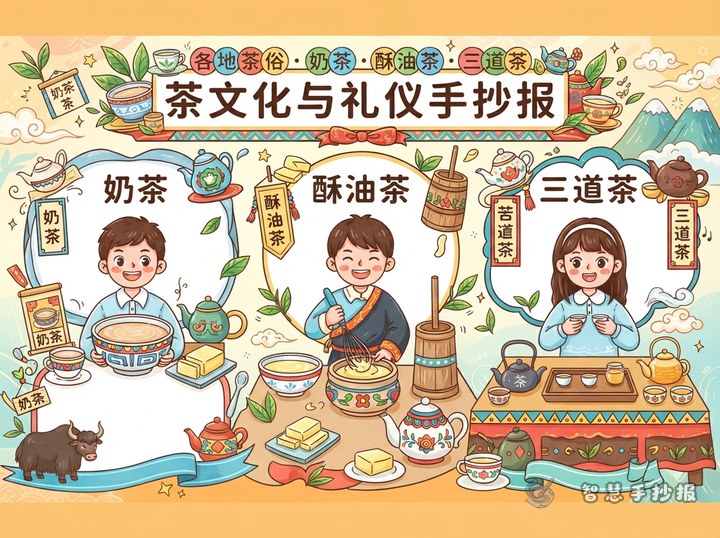
How to divide the layout
This topic works well as a scene-based page. Put the main title in the center and arrange small sections around it so the content feels clear and lively.
- Main title area: Use a title like “How to Serve Tea to Guests at Home” or “What I Learned About Chinese Tea Etiquette.”
- Top left: Add a small section about the meaning of welcoming guests with tea.
- Top right: List the tea-serving steps in order.
- Bottom left: Add a “polite behavior tips” box with 3 to 5 short points.
- Bottom right: Write a short reflection about respect, kindness, and traditional culture.
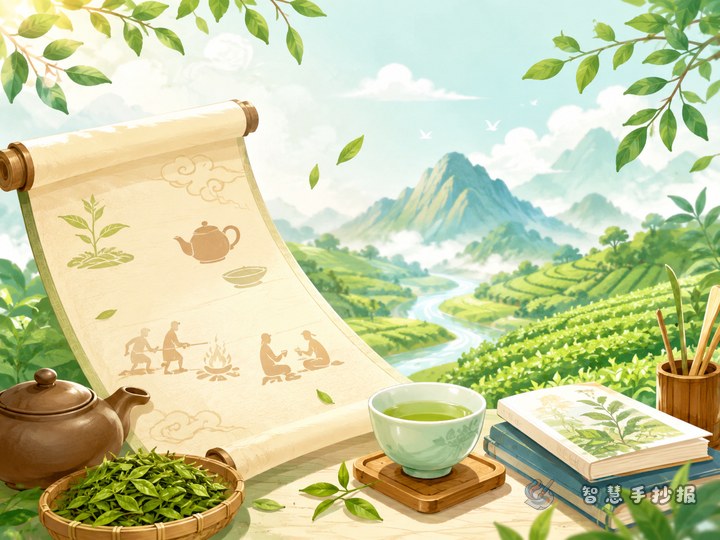
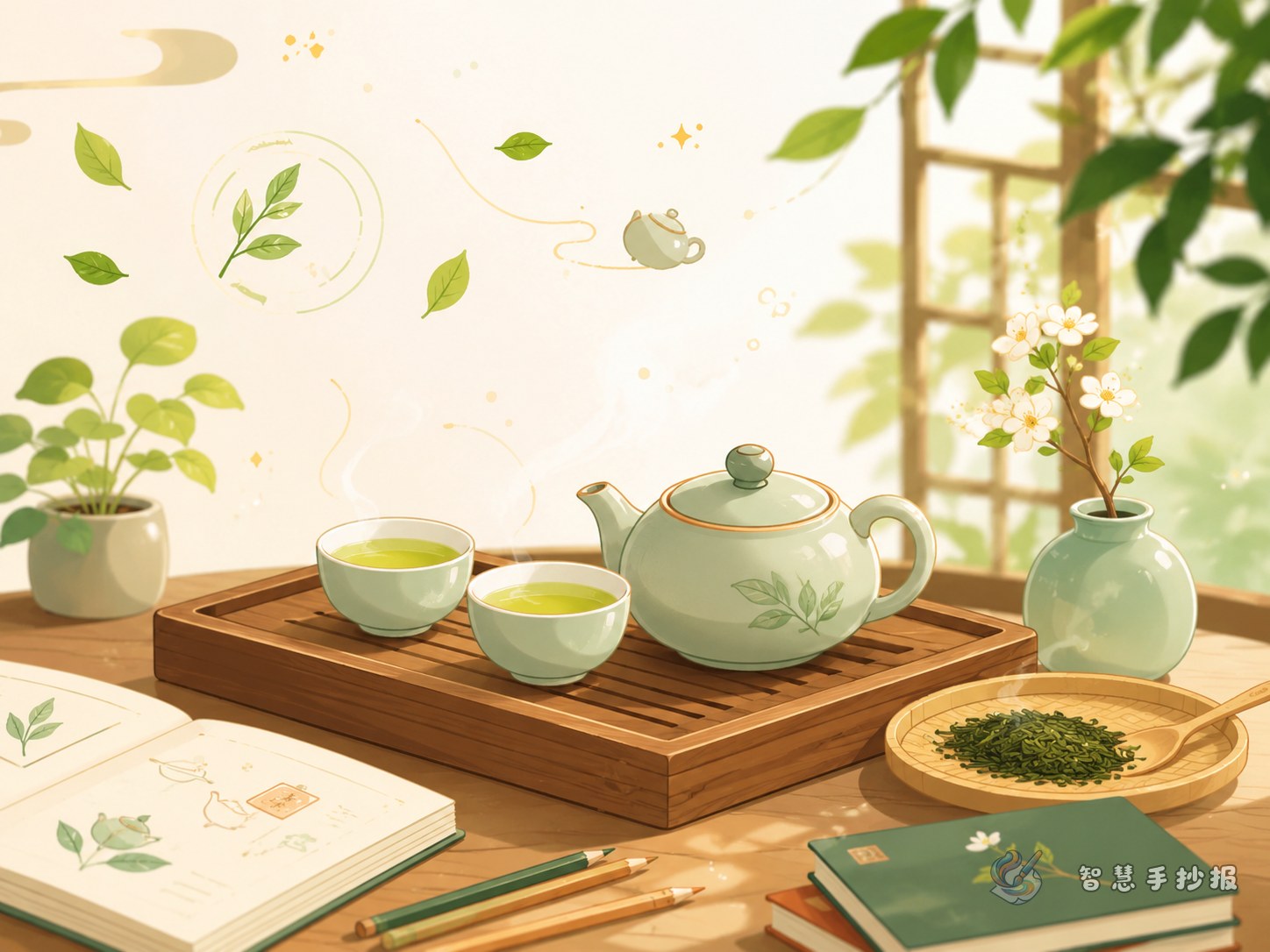
For decoration, draw teapots, teacups, tea leaves, trays, or simple wave patterns. These details make the page feel calm and elegant.
How to keep the writing suitable for students
The text should be short and easy to copy. Instead of using difficult academic language, choose simple sentences. For example, rather than writing “Tea ceremony reflects the beauty of traditional order,” you can write “Tea manners help us show respect and kindness.”
A short reflection section can say: Through this handwritten newspaper, I learned that serving tea is not just giving someone a drink. It is also a way to show respect and good manners. Learning tea etiquette helps us understand traditional Chinese culture and become more polite in daily life.
Small details that make the work better
- Use calm colors such as green, brown, and cream.
- Make the title larger and keep the body text neat.
- Add small icons like hands holding a teacup, smiling faces, or tea leaves.
- If time is limited, decide the sections first and then fill each one with short sentences.
If you have chosen this topic, you can also continue organizing your layout and content in the Zhihui Shouchaobao WeChat mini program to finish your handwritten newspaper more efficiently.