Set the Theme Clearly: Not Just Politeness, but Visible School Rules
A common problem with a campus civility handwritten newspaper is that it uses only broad slogans and does not show real school behavior. To highlight rule awareness and behavior standards, connect the topic to scenes children experience every day, such as arriving at school, class time, break time, lining up, lunchtime, and going home. This makes the content easier to write and easier for teachers to recognize as relevant.
Your main title can focus on ideas like “Civility Helps Me Grow,” “A Better Campus Starts with Rules,” or “Be a Polite and Orderly Student.” A short subtitle can explain that civility is not just something to say, but something to do every day.
Section Ideas You Can Put Directly on the Page
Section 1: Civility Around Me
- Greet teachers and classmates politely.
- Walk quietly into the classroom.
- Say thank you when borrowing something and return it on time.
- Use kind words and avoid rude nicknames.
Section 2: School Rule Reminder Cards
- Walk on the right side of the stairs.
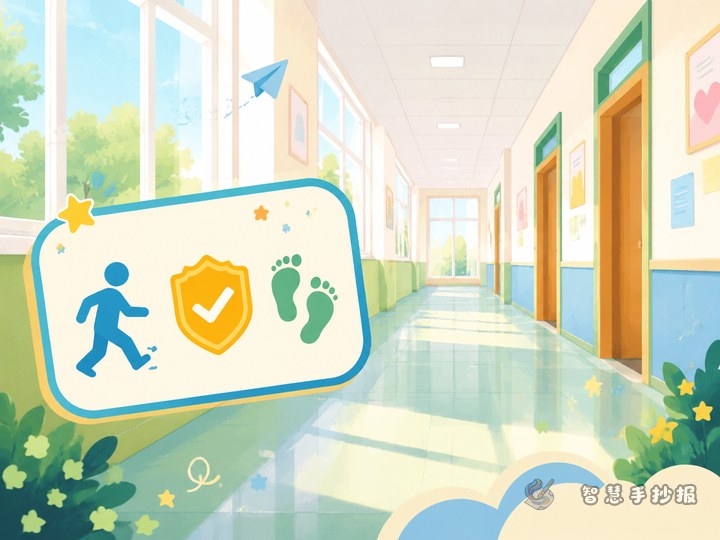
- Do not run or push in the hallway.
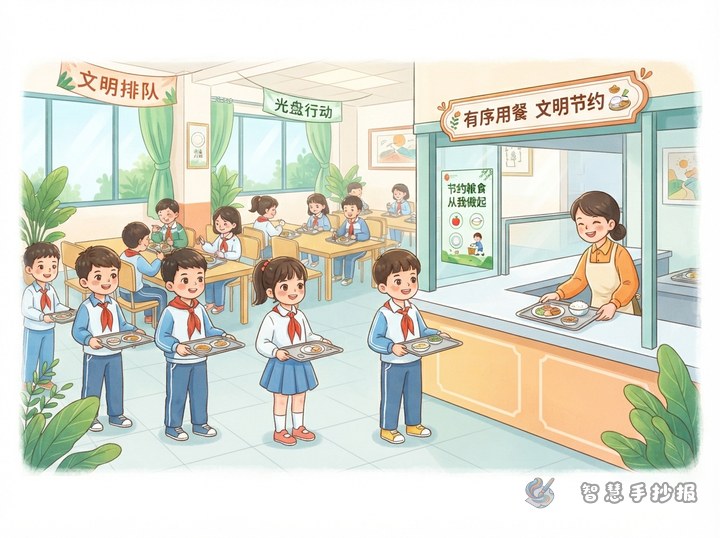
- Wait your turn in line.
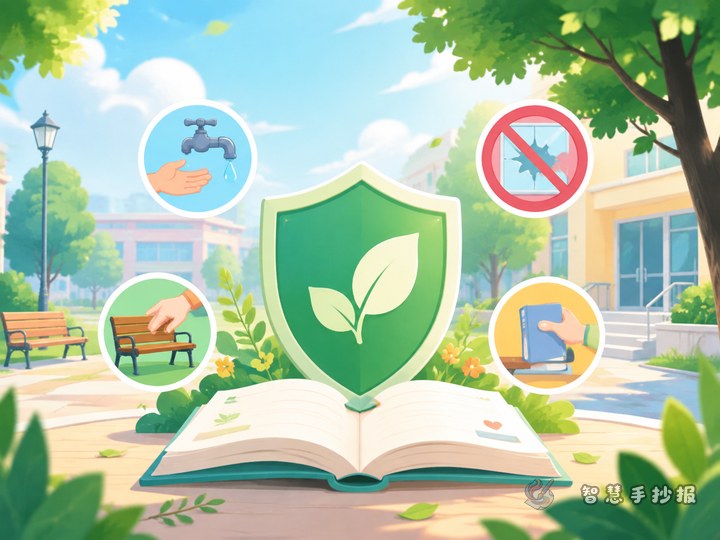
- Take care of desks, books, and public facilities.
Section 3: Polite Words Corner
Add everyday expressions such as “please,” “thank you,” “sorry,” “it’s okay,” “hello,” and “goodbye.” Short sample dialogues can make this part lively and easy to understand.
Section 4: My Civility Promise
Write a few first-person promises such as: I will listen carefully in class. I will speak softly. I will line up properly. I will keep the campus clean. This works especially well as an ending section.
Use Short, Actionable Sentences Instead of Empty Paragraphs
The best text for a handwritten newspaper is brief and clear. These lines are suitable for students to copy or adapt:
- Polite words on our lips, rules in our hearts.
- Quiet steps show respect for the campus.
- Every line we stand in helps protect order.
- No running, no rough play, safer breaks for everyone.
- Caring for school property starts with small actions.
- Civility means doing the right thing first.
You can also add a short summary sentence: Following school etiquette and behavior rules helps everyone feel safe, respected, and happy.
How to Show a Sense of Rules Through Layout
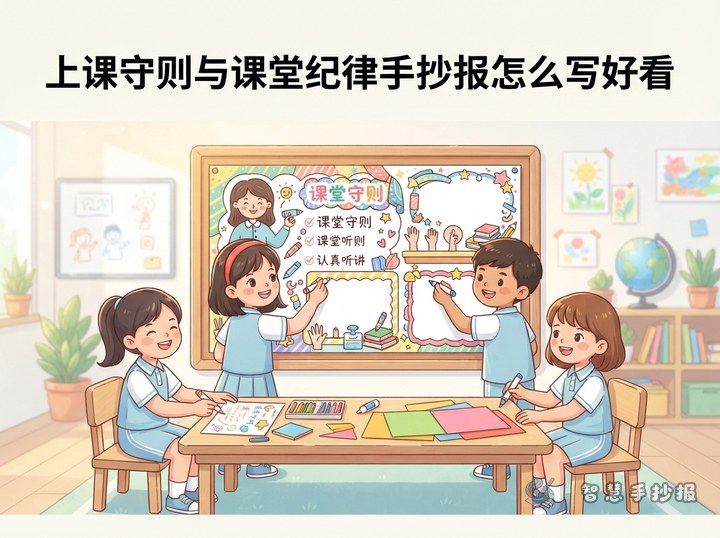
This topic works especially well with a signboard-style layout. Put the main title at the top center, then use arrows, border lines, or direction markers to create a sense of order. Instead of dividing the page into equal boxes, you can build a route-style layout that moves from the school gate to the classroom, so the reading flow feels natural.
- Use a school gate, books, sunshine, or scarves in the title area.
- Add icons such as stairs, bells, bins, desks, or footprints in the rule section.
- Use speech bubbles, note cards, or sticker-style boxes for civility content.
- Design the promise section with stars, leaves, or hearts for a child-friendly look.
Fresh color combinations such as blue and green or yellow and orange are a good choice. Avoid too much dark coloring, or the page may feel heavy. Highlight key sentences with colored outlines, but keep the whole page neat so it matches the idea of order and good behavior.
A Practical Making Order for Students, Parents, and Teachers
- Choose whether your main focus is civility etiquette or orderly behavior.
- Select three to five familiar school scenes such as entering school, class time, break time, or dismissal.
- Turn each scene into two or three short rule sentences.
- Sketch the page and leave space for the title, content blocks, decoration, and promise section.
- Finish by unifying the colors and handwriting so the page looks clean and balanced.
If you already have the content but still need help organizing the layout, you can continue refining your ideas in the Zhihui Shouchaobao WeChat mini program.