Build the Topic Around a Letter's Journey
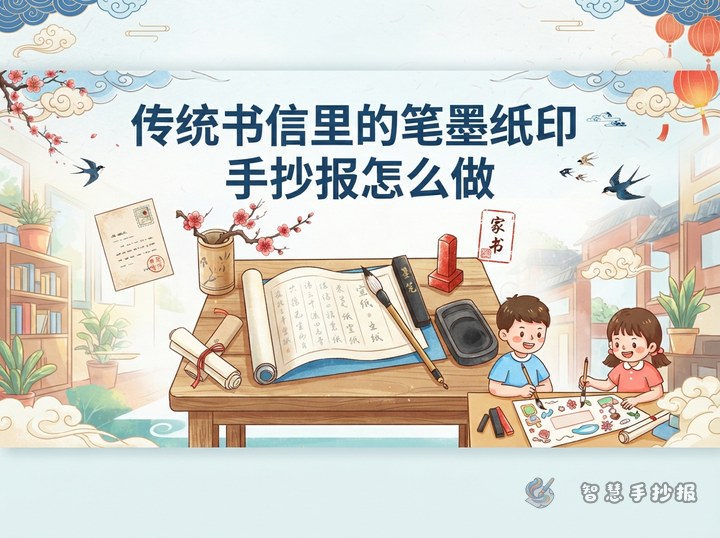
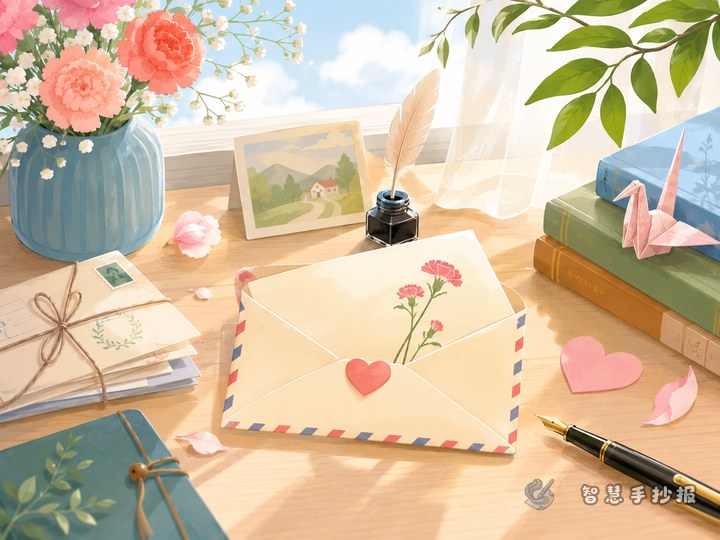
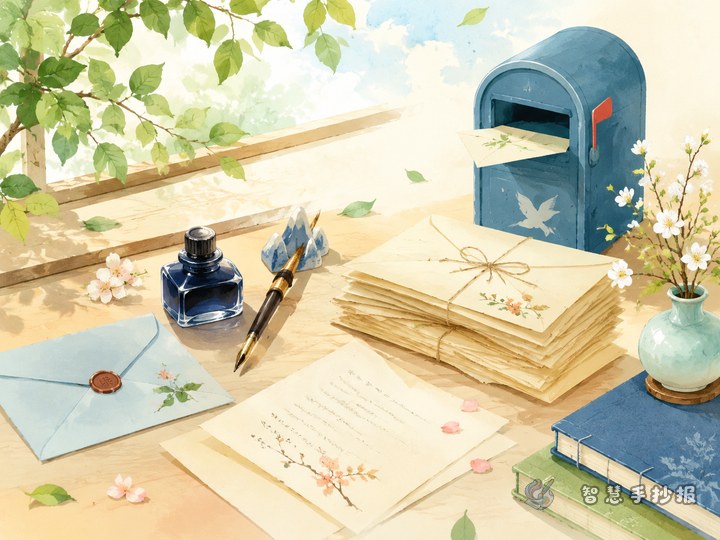
This handwritten newspaper can follow an old family letter from writing and sealing to delivery and reunion. Place an open letter near the title, then draw a route across the page to show how a message traveled from the writer to loved ones far away.
Three Sections That Explain Traditional Letter Delivery
Wild Geese as a Symbol of Messages
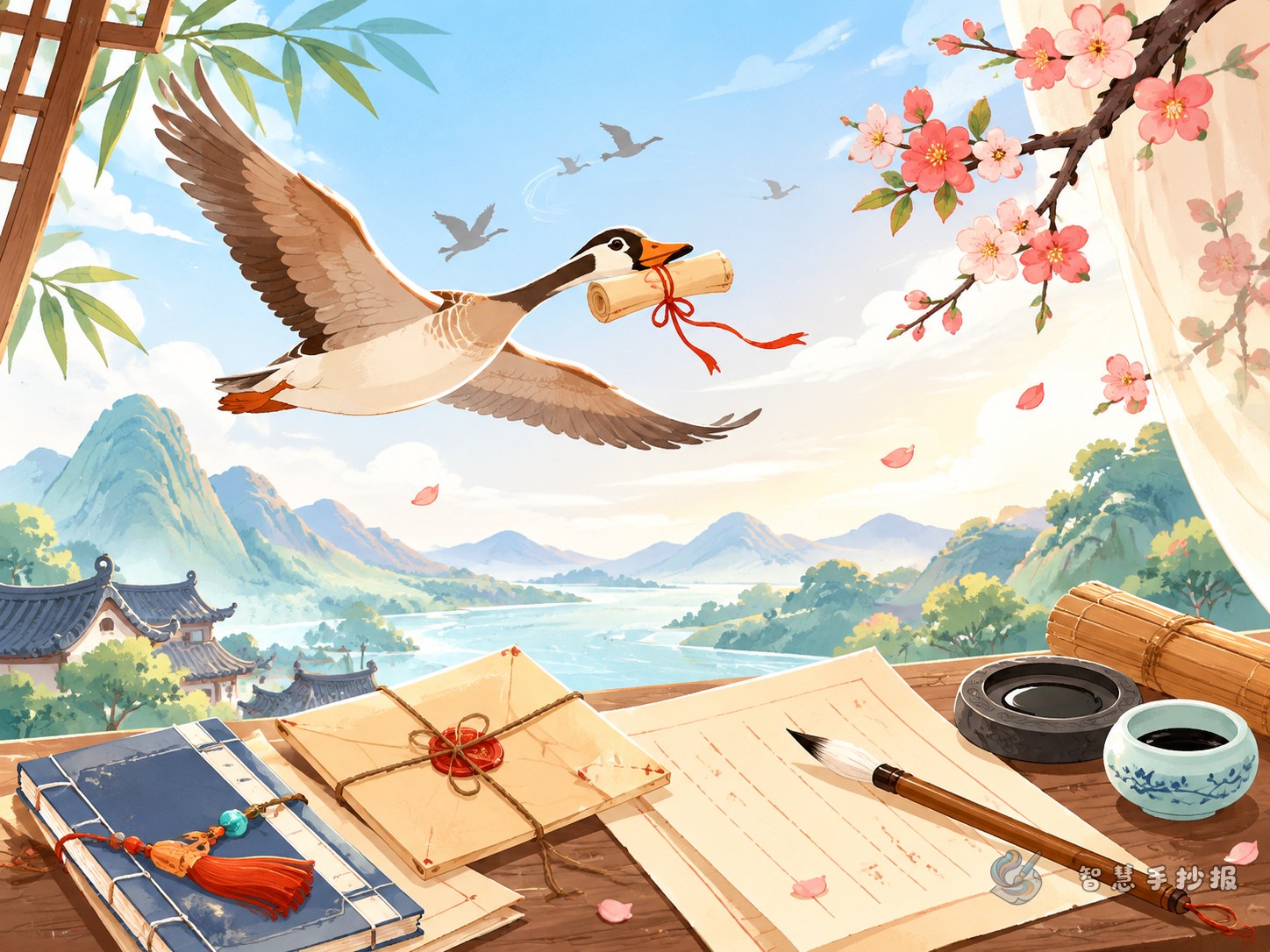
In Chinese literature, wild geese often symbolize messages sent across great distances and the longing felt for absent family members. Explain that this is mainly a cultural and literary image, rather than evidence that people commonly trained geese to carry letters.
Postal Stations and Messages Carried by Travelers
Ancient postal stations mainly supported official documents and government travel. Ordinary family letters could also be entrusted to acquaintances, merchants, or people returning to the same hometown, so delivery and replies often took a long time.
Respect Shown in a Family Letter
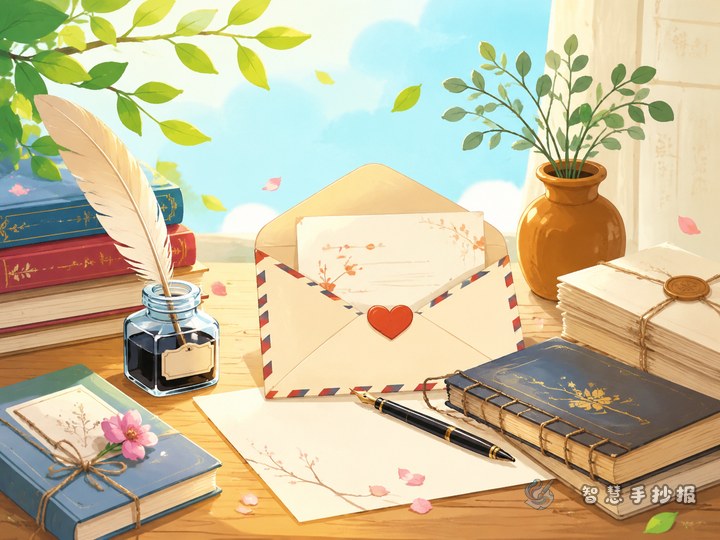
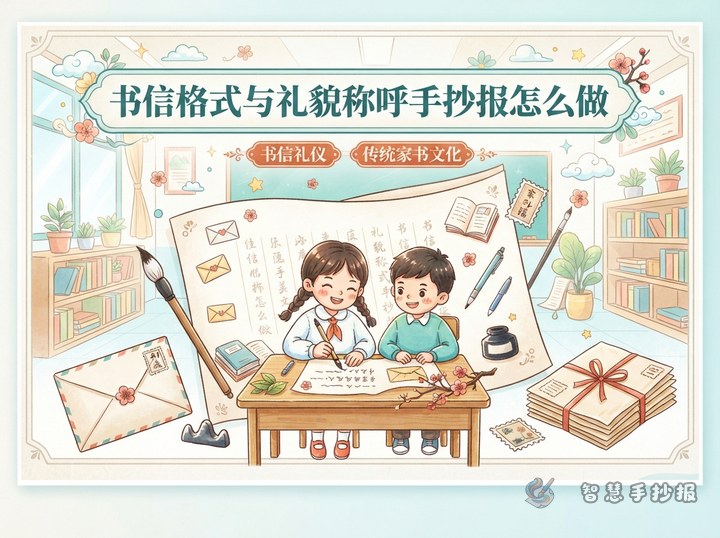
A letter was folded and sealed carefully, with recipient information written clearly. Its message could begin with a respectful greeting, continue with family news, and end with good wishes. These details expressed both courtesy and affection.
Short Text Ready for the Page
- Theme line: A single family letter crossed mountains and rivers, carrying greetings and family values.
- Fact line: When travel was slow, waiting for a reply was part of the experience of correspondence.
- Etiquette line: Proper forms of address, sincere greetings, and modest language are basic elements of letter etiquette.
- Reflection line: Ways of communicating change, but concern for family remains precious.
Turn the Layout into a Delivery Route
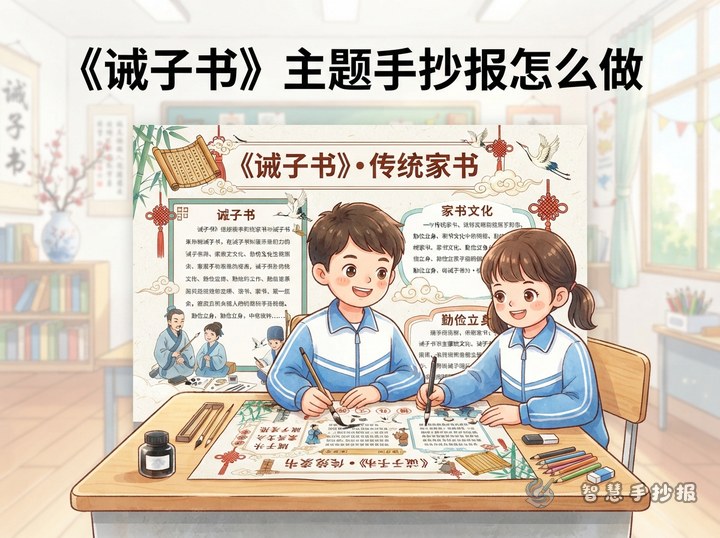
Use a horizontal journey layout. Show the writer composing a letter on the left, a route over hills in the center, and a family member opening the letter on the right. Small drawings of envelopes, brushes, station roofs, roads, and flying geese can connect the sections. Off-white, black, vermilion, and touches of green create a traditional but lively palette.
- Sketch spaces for the title, route, and four short text sections.
- Keep each section to one short paragraph or three to four points.
- Mark key terms in vermilion and use a dark color for readable body text.
- Check that the explanations of wild geese and postal stations are accurate.
Connect Family Letters with Life Today
Finish with a small section titled “One Line for My Family,” where students can add a greeting, thanks, or a wish. This turns the project into both a cultural lesson and a personal expression. Students and parents can continue arranging the sections, colors, and final layout in the Smart Handwritten Newspaper WeChat Mini Program.