Build the theme around “What should I do after a sports injury?”
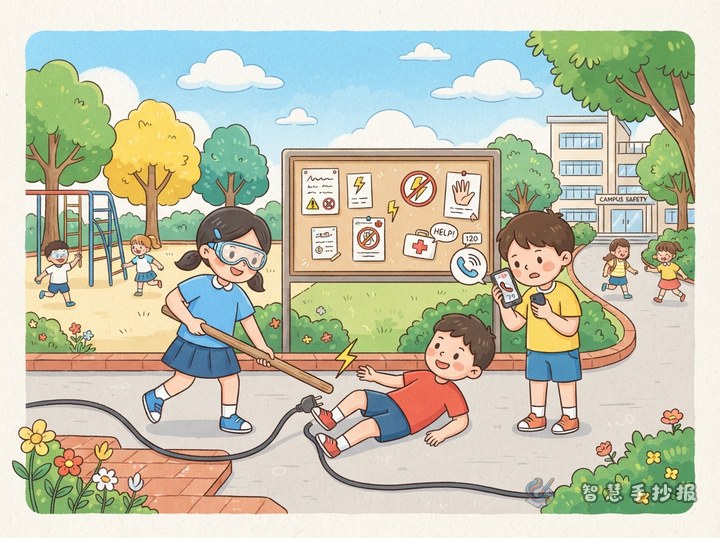
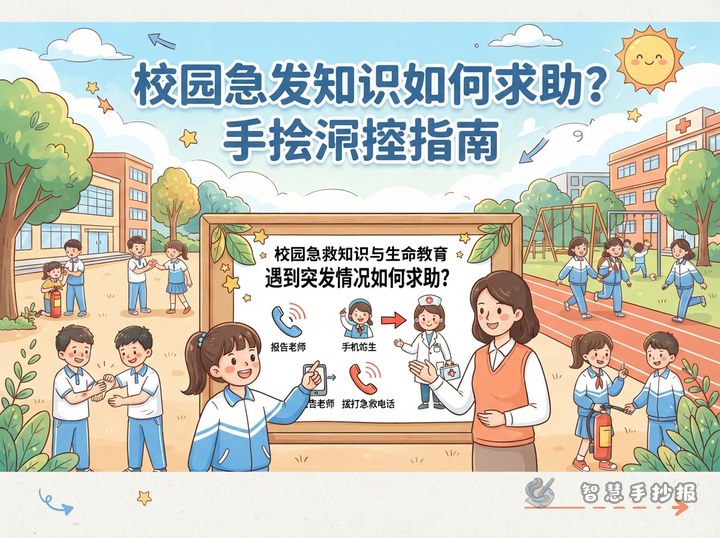
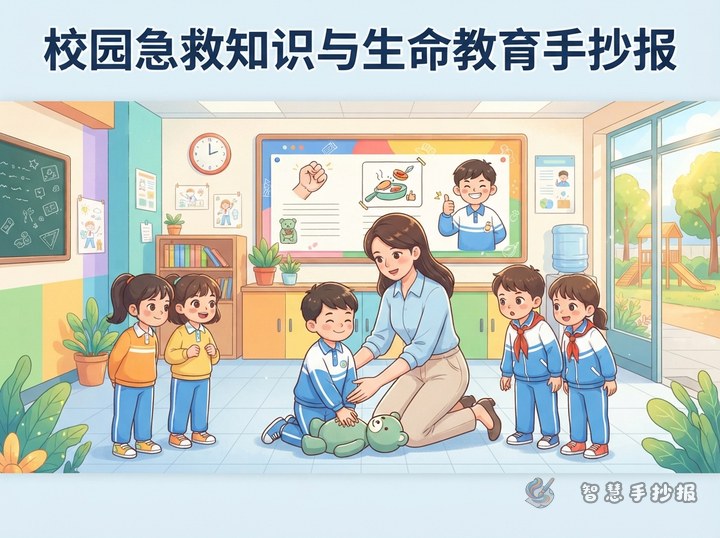
This handwritten newspaper can focus on sprains, possible fractures, and getting help correctly during physical education classes, recess, and ball games. A suitable main title is “Stay Active, Stay Safe.” Draw a student who has been injured on the playground, with classmates informing a teacher, keeping the area safe, and waiting for help. This makes the life-education message practical rather than a simple list of facts.
Explain three situations in separate sections
Sprain: stop and protect the injured area
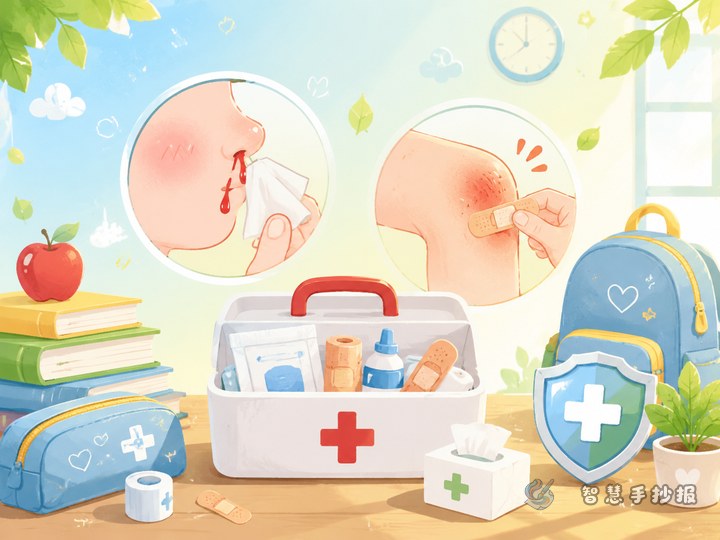
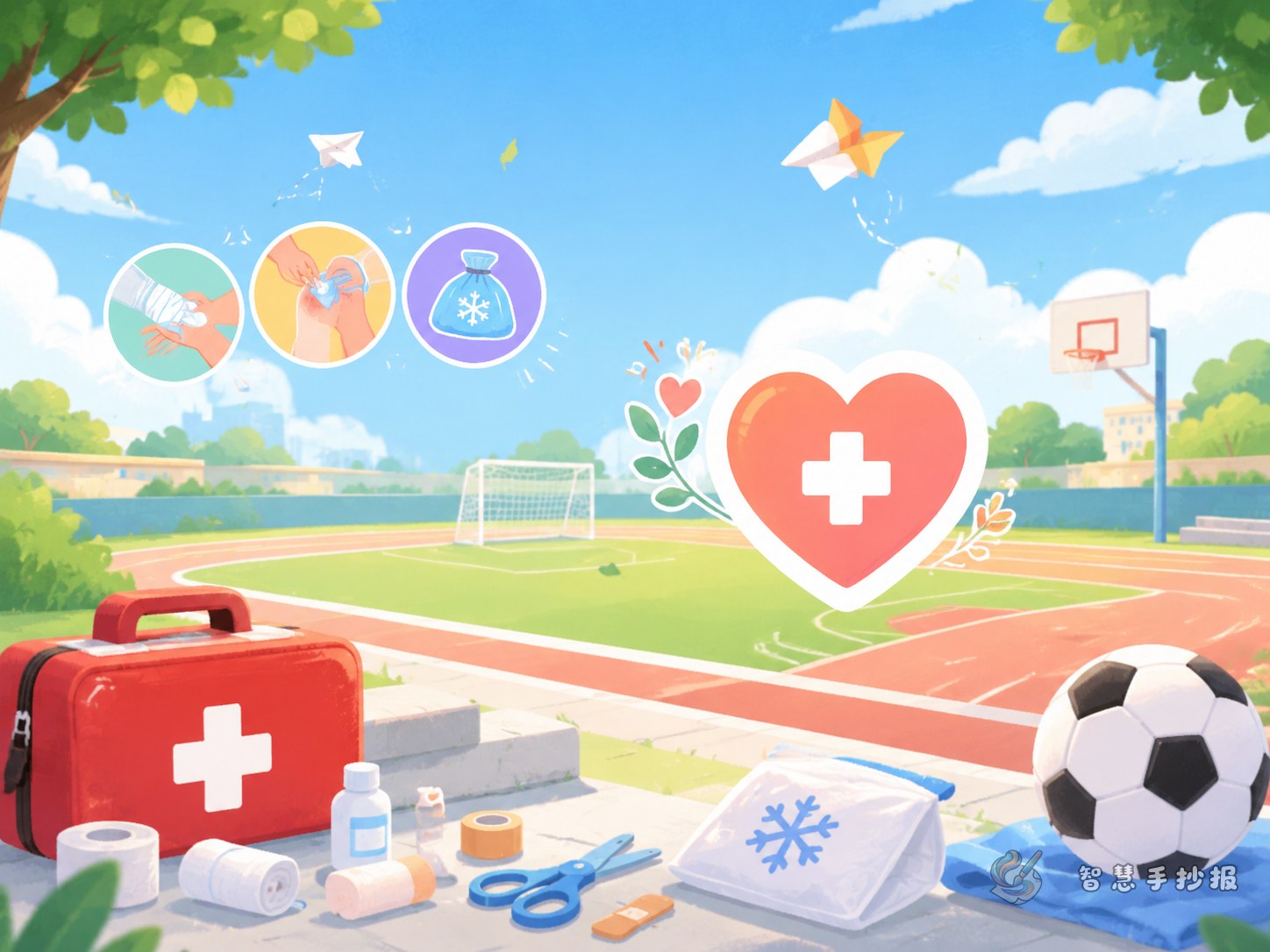
After an ankle or wrist sprain, stop exercising and stay in a comfortable position. Tell a teacher or parent promptly. Under adult guidance, use an ice pack wrapped in a towel for a short cold compress, and never place ice directly on the skin. Do not massage, apply heat immediately, or force the student to walk. The four-word reminder “Stop, Protect, Cool, Report” can become a bold centerpiece.
Possible fracture: move less and support the area
Severe pain, obvious swelling, an unusual shape, or inability to move may indicate a fracture. Do not try to straighten the limb or make the injured student stand. Keep the body in a comfortable position and, under the direction of an adult or medical professional, use a suitable object to support the injured area. Serious injuries require prompt professional help.
Head injury: report it even without a visible wound
After a head impact, stop the activity and tell a teacher immediately, even if there is no obvious cut. Persistent headache, vomiting, confusion, unusual sleepiness, or abnormal behavior requires immediate attention from an adult and timely medical care. Use the warning “Never push through a head injury” as a clear safety message.
Turn first aid into a school action route
- Notice the injury: Ask nearby students not to crowd around or pull the injured person.
- Report it: Ask someone to notify a teacher, school nurse, or parent and give the exact location.
- Keep the area safe: Help the injured student stay still and remove hazards that could cause another injury.
- Wait for help: Stay calm and supportive. Do not give medicine, massage the injury, or move the student without adult or professional guidance.
Draw this section as an arrow flowchart with simple icons such as a whistle, phone, shield, and first-aid symbol. The visual sequence helps younger students remember the steps quickly.
Design the page like a safe playground
Use a horizontal or vertical layout. Place the main title and track lines at the top, then divide the middle into “Sprain Care,” “Fracture Protection,” and “Head Injury Warning.” Add a small card at the bottom called “How I Will Ask for Help.” Bright green and blue can be the main colors, with a small amount of red reserved for danger warnings. Keep body movements simple and clear, and avoid drawing exaggerated or unsafe first-aid actions.
End with a life-education message
“Protect yourself during exercise, ask for help when someone is hurt, and never show off, crowd around, or move an injured person carelessly.” Place this sentence on a ribbon at the bottom. After drafting the text and sketches, continue in the WeChat Mini Program “智慧手抄报” to organize sections, adjust the layout, and create a cleaner school safety handwritten newspaper.