Build the page around the idea of “I know what to do when something feels wrong”
Many drug prevention handwritten newspapers only use slogans. If you want yours to be more useful, make help-seeking and self-protection the main idea. This gives students practical steps they can remember.
A strong title could be “Stay Away from Drugs, Learn to Protect Yourself” or “If Something Feels Wrong, Ask for Help Fast.” These titles make the purpose clear right away.
Section ideas you can place directly on the page
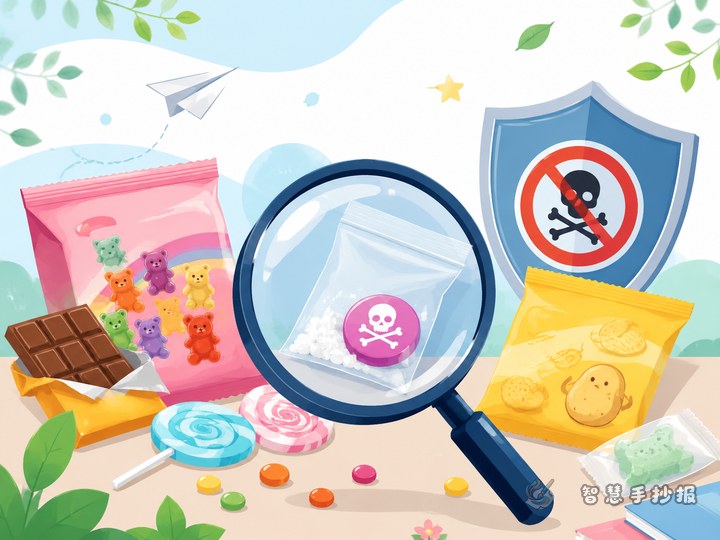
Warning signs to notice
- Do not accept drinks or snacks from strangers.
- Be careful if someone says, “Just try it once.”
- Do not wander away in unfamiliar places.
- If an invitation feels unsafe, say no and leave.
Simple refusal phrases
- No, thank you. I do not want it.
- I need to ask my teacher or parent first.
- I cannot take this. Please take it away.
- I am leaving now.
People to ask for help
- Teachers, parents, and school security staff.
- Trusted workers in public places.
- Any responsible adult nearby when you feel unsafe.
Short lines that fit a handwritten newspaper
Keep the text brief and memorable. Short lines are easier to read and work better in a poster-style page.
- Do not take, do not try, do not follow.
- If you are unsure, step away and ask for help.
- Be alert to temptation and protect yourself first.
- Saying no is smart, not rude.
You can also add a short class message encouraging students to stay alert, protect themselves, and tell teachers or parents when something seems suspicious.
Make the layout clear, not crowded
This topic works well with a center title and four surrounding content blocks. Put the main title in the middle, then place warning signs, refusal phrases, helpers, and safety reminders around it.
- Use red or orange in the title area for a warning effect.
- Use light yellow or light green to separate danger reminders from safety advice.
- Bold the most important lines so they stand out quickly.
- Try shield shapes, alert borders, or speech bubbles for visual interest.
Final tips before finishing the page
Because this is for students, avoid overly complex or frightening wording. A strong handwritten newspaper should explain what to do, not only how serious the problem is.
- Use practical actions more than formal definitions.
- Choose bullet points instead of long paragraphs.
- Keep the title large and the sections balanced.
- Highlight self-protection and asking for help in time.
If you already have your topic and sections, you can continue refining the layout, colors, and title style in the Smart Handwritten Newspaper WeChat mini program for a cleaner final result.