Choose a Clear Roof Theme
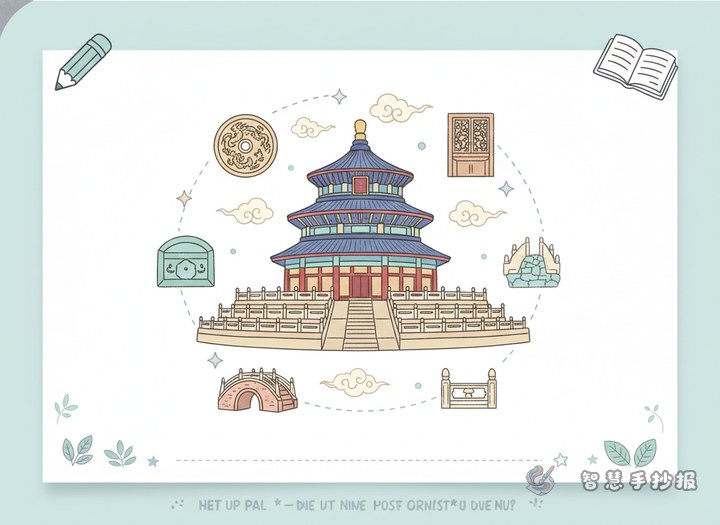
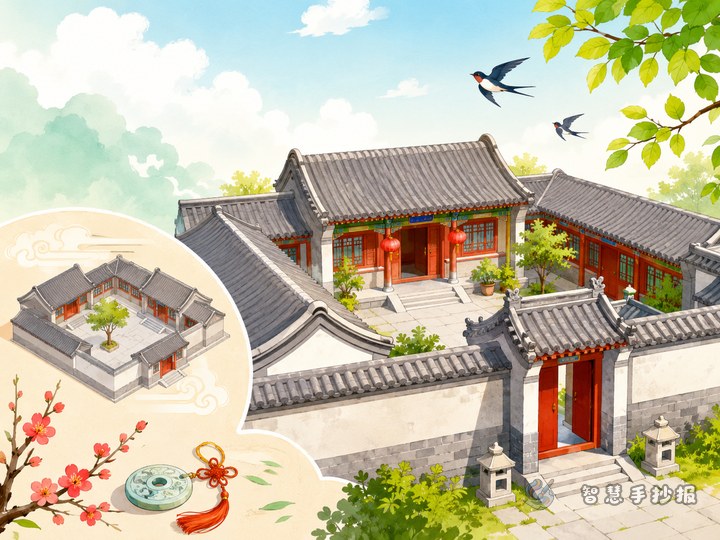
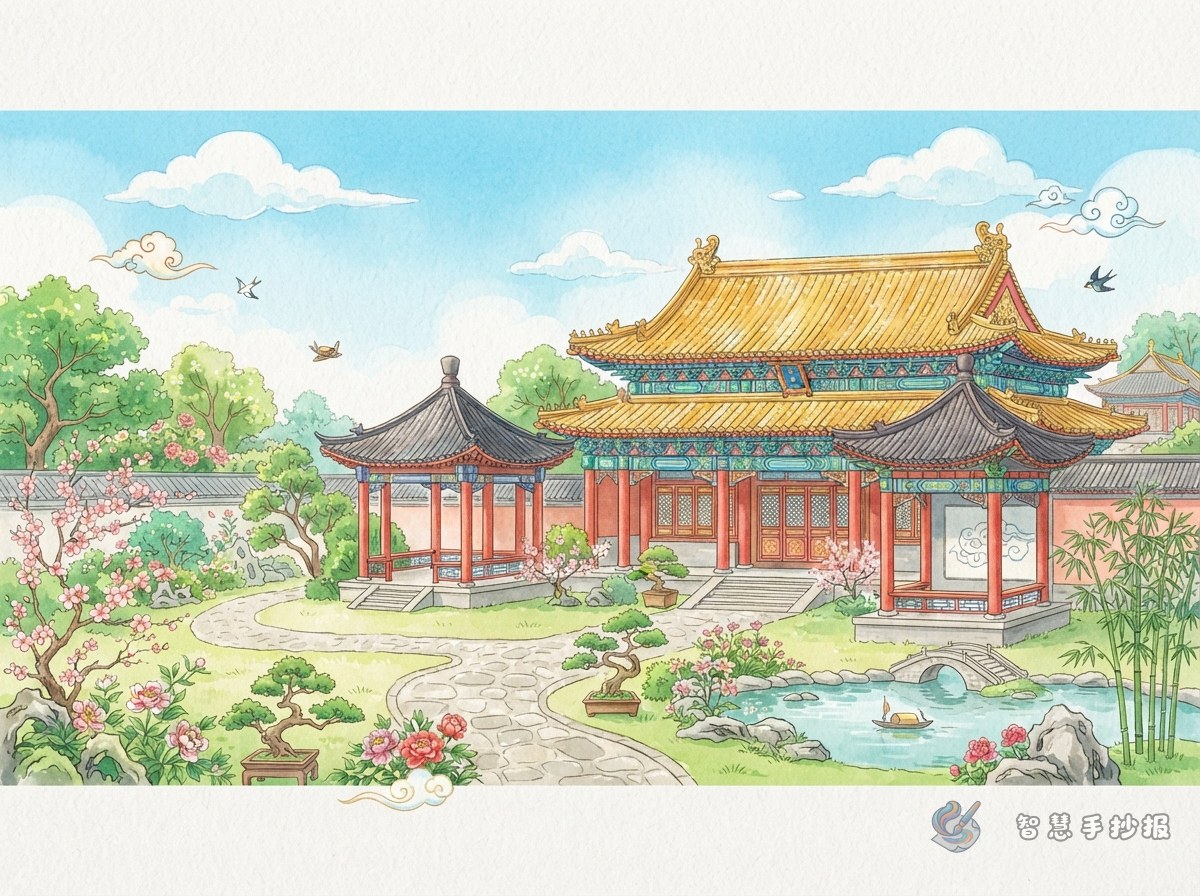
This handwritten newspaper can focus on “Cultural Messages on Traditional Chinese Roofs.” Instead of listing many famous buildings, observe the eaves, ridges, tiles, and decorative patterns that show the taste and building knowledge of ancient people. Draw one traditional building with upturned eaves in the center and use short notes around it so the theme is easy to understand.
What to Write About the Roof
Organize the text around three questions: “Why do the eaves turn upward?”, “What does the roof ridge do?”, and “Why are glazed tiles so colorful?” Upturned eaves make a building look light and graceful while helping guide rainwater away. The ridge joins and protects the roof and often carries decorations. Tiles keep out rain and create an orderly rhythm across the roof. Explain these ideas in simple words instead of copying a long encyclopedia entry.
Short Sentences to Include
- Upturned eaves create a graceful and lively beauty in traditional Chinese architecture.
- Rows of roof tiles show the practical wisdom of ancient builders.
- Decorations on the roof ridge express wishes for peace, happiness, and good fortune.
Turn Patterns into an Interactive Section
Add a “Pattern File” beside the building illustration. Draw simplified cloud, lotus, ruyi, or dragon-and-phoenix patterns and write a short note about the good wishes they represent. You can also create a “Can You Find It?” section that asks readers to locate the tiles, brackets, windows, and ridge decorations in the main picture. This makes the page more engaging than a simple description.
Arrange the Page Without Crowding
Place the title at the top, the main building in the center, and small knowledge bubbles around it. A title such as “Stories Along the Eaves” can use red or golden yellow to suggest a traditional style. Combine dark red, blue-gray, ink black, and a small amount of green. Put “Roof Structure” on the left, “Pattern Meanings” on the right, and “My Discovery” at the bottom. Leave breathing room between text areas and use repeated tiles or cloud patterns as borders.
Final Crafting Checklist
Lightly sketch the roof outline first, then add the eave lines and tiles. Avoid filling the page with tiny decorations at the beginning. Give the title, main picture, and notes clear size differences, and keep each note to two or three lines when possible. Check that the building is centered, every word is readable, and the colors do not cover the line drawing. For faster organization of sections and layouts, continue making the page in the WeChat mini program with Zhihui Handwritten Newspaper.