Pick one clear observation target first
The easiest way to make this topic strong is to choose a clear observation target. You may focus on one plant or a small group of plants in the same part of the campus. A specific topic is easier to organize and draw. Good examples include a pine tree by the playground, roses near the school building, or grass growing in spring.
It is best to choose plants that are easy to find, easy to describe, and rich in visible details. That gives you enough material for both writing and drawing.
Useful sections you can place on the page
Plant profile
- Name of the plant
- Where it grows on campus
- Main color and shape
- Leaf, flower, or fruit features
My observation notes
- When I observed it
- What the weather was like
- What changes I noticed
- Whether I found smell, texture, insects, or new growth
Nature discoveries on campus
This section can explain how the plant relates to its environment, such as sunlight, water, shade, or soil. That makes the handwritten newspaper feel like a real observation project.
Protect our school plants
You can add small reminders such as not stepping on grass, not picking flowers, and caring for the green spaces on campus.
How to write natural and readable content
This topic works best with short sentences and observation-based writing. You do not need a long essay. Try writing about ideas like these:
- What the leaves look like
- What color the flowers are
- Whether the trunk feels rough or smooth
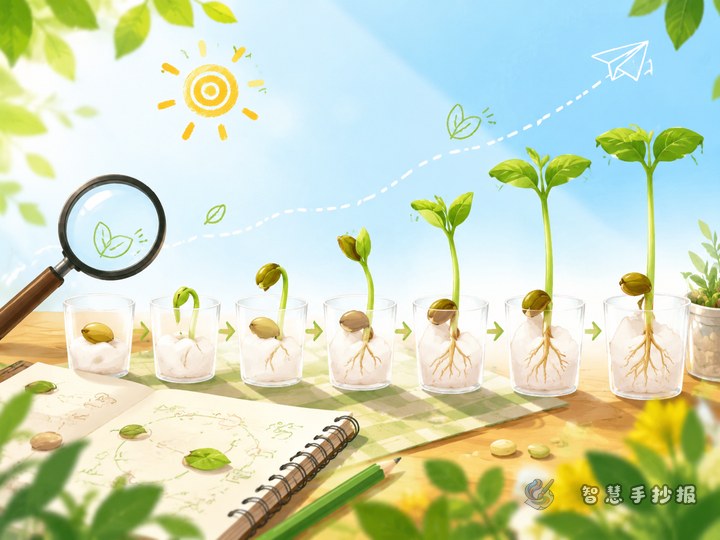
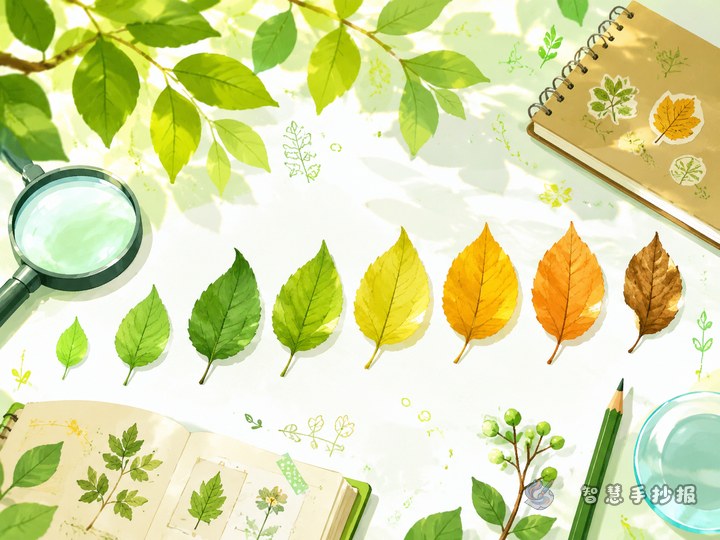
- How the plant changes over time
- What you learned from watching it
For example: “I found that the grass by the playground is short but bright green. After the rain, tiny drops of water stayed on the leaf tips and looked like shining beads.” This kind of sentence feels real and fits the page well.
Make the page look like a field notebook
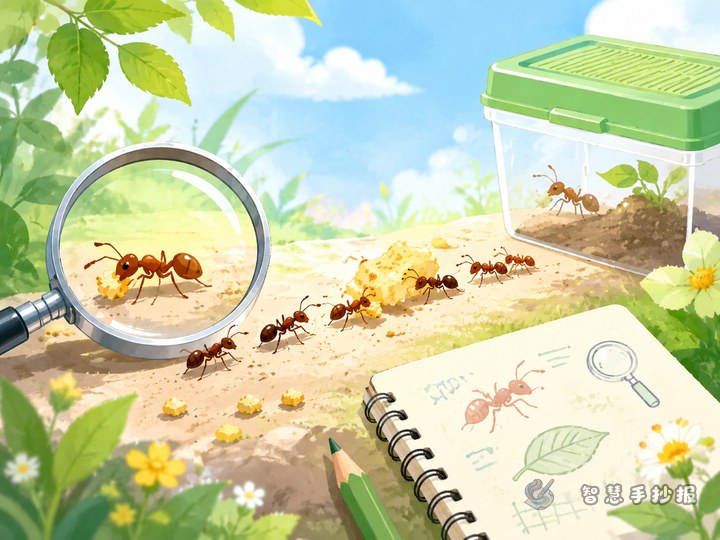
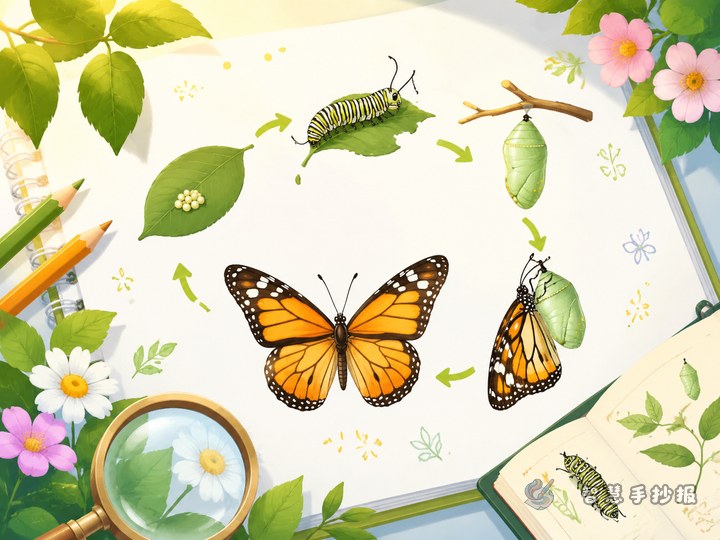
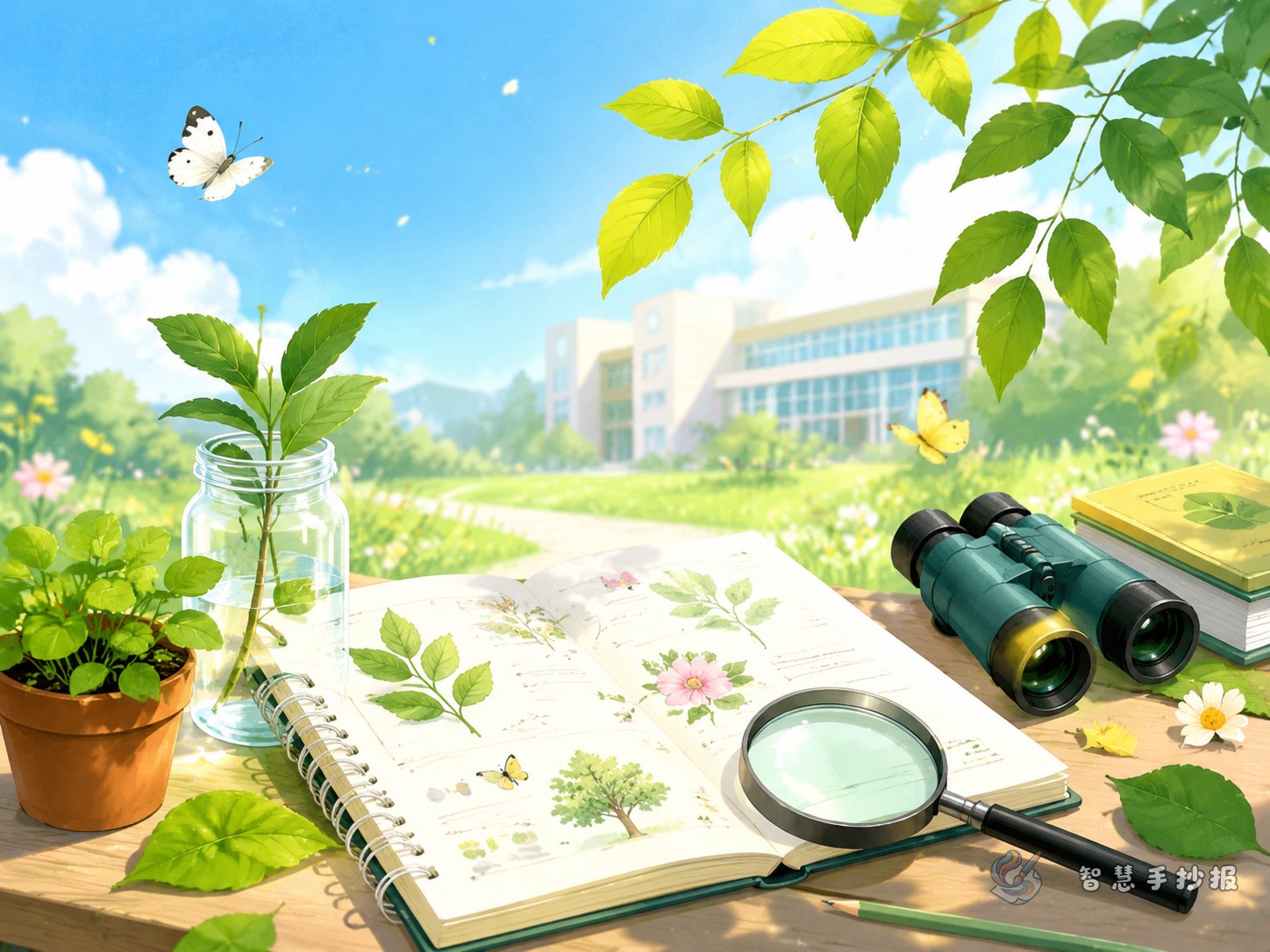
If you want a more creative design, turn the handwritten newspaper into a nature notebook style page. Put the title inside a leaf or wooden sign shape, separate each part with small boxes, and decorate the corners with vines, petals, butterflies, magnifying glasses, or little insects.
- Place the main title at the top
- Draw the plant or the campus scene on one side
- Put observation notes and plant facts in the center
- Add feelings, reminders, or extra facts at the bottom or on the other side
Green can be the main color, with light yellow, soft pink, or pale blue as supporting colors. Do not make the text too crowded. Clean spacing often makes the work look better.
Small fact lines and a good ending
To enrich the page, add a few simple facts, such as plants needing sunlight, water, and air to grow well, or leaves having different shapes because plants adapt to their environment. You may also mention that flowers, fruits, and seeds are all important parts of plant life.
A simple ending could be: “Plants on campus change quietly every day. If we observe carefully, we can discover how wonderful nature is.” If you want to keep improving your layout, sections, and colors, you can continue designing your work in the Zhihui Shouchaobao WeChat mini program.