Why an Ancient Pagoda Deserves Its Own Page
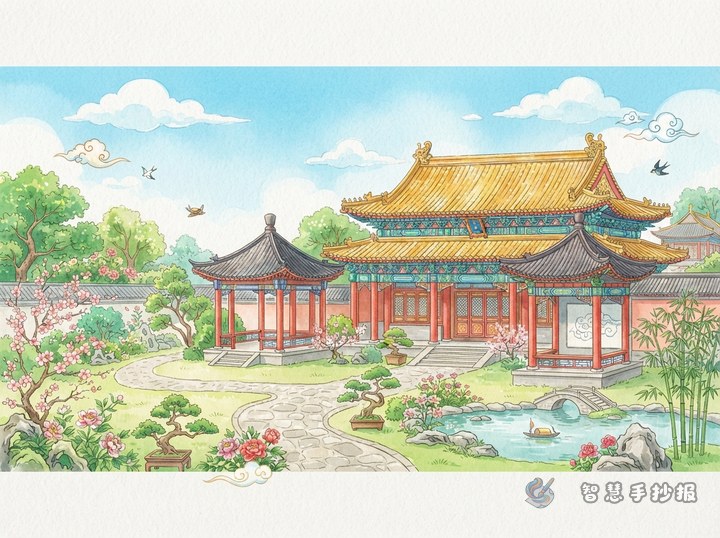
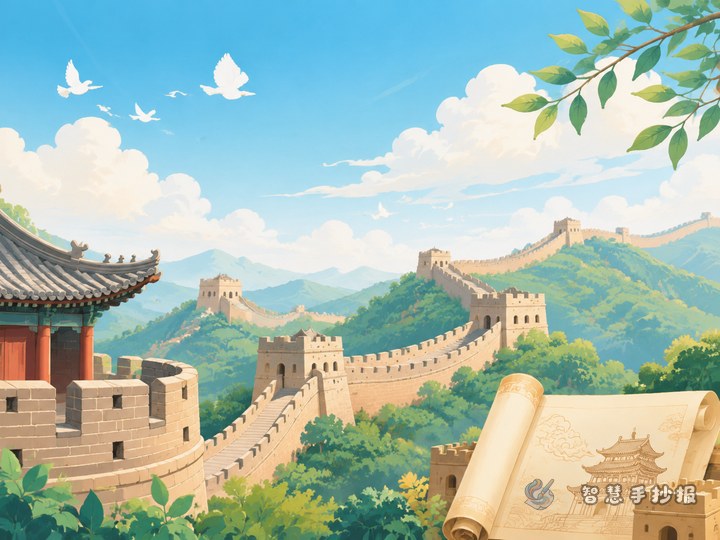
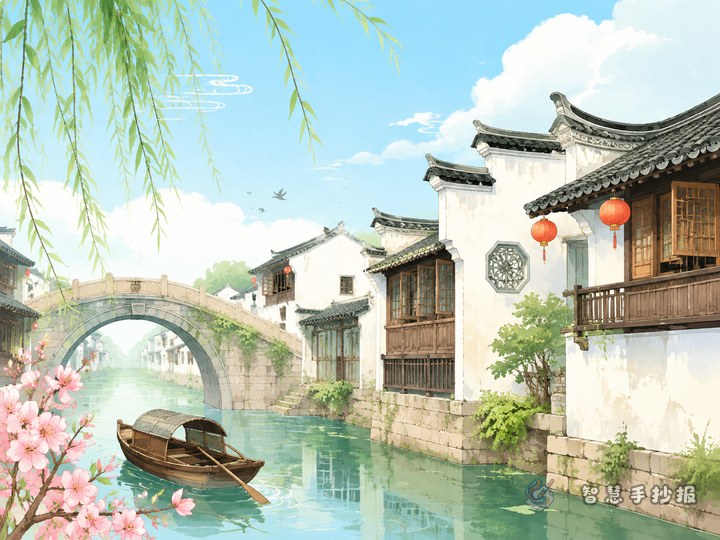
When people think of traditional Chinese architecture, they usually name the Forbidden City, the Great Wall or a courtyard house. A pagoda is just as good a subject. It is tall and narrow, tapering as it rises, so a single vertical line can hold the whole page together and leave clear space for writing beside it.
There is plenty to write about too: structure, number of floors, building materials and purpose can each become a separate column.
Three Decisions to Make Before You Start
- Which pagoda is your main subject? One pagoda explained well reads better than ten names in a list. You could choose the Big Wild Goose Pagoda, the Yingxian Wooden Pagoda or the Six Harmonies Pagoda, or write about one near your own town.
- What do you want to highlight? The stacked shape, the skill of the builders, or the story of the place. Pick one focus and let everything else support it.
- Portrait or landscape? Portrait suits one tall tower. Landscape works well for a group of pagodas, or for a tower standing among hills, water and trees.
Text You Can Copy Straight onto the Page
How a pagoda is built
- Base: the platform at the bottom that holds the whole structure steady. Some are built as steps.
- Body: the main part, rising floor by floor, usually with doors, windows and eaves on each level.
- Spire: the small pointed piece on top. It works like a cap, giving the tower a neat finish.
Floors and outline
- Chinese pagodas usually have an odd number of floors, such as five, seven or thirteen, which makes them look tall and upright.
- The plan can be square, hexagonal or octagonal. The more sides there are, the rounder the outline becomes.
Materials and use
- By material you can find wooden, brick, stone and glazed tile pagodas, each with its own colour and texture.
- Pagodas came to China with Buddhism and were later used for viewing the landscape, guiding travellers and marking important events, slowly becoming landmarks in many towns.
Planning the Columns So the Page Breathes
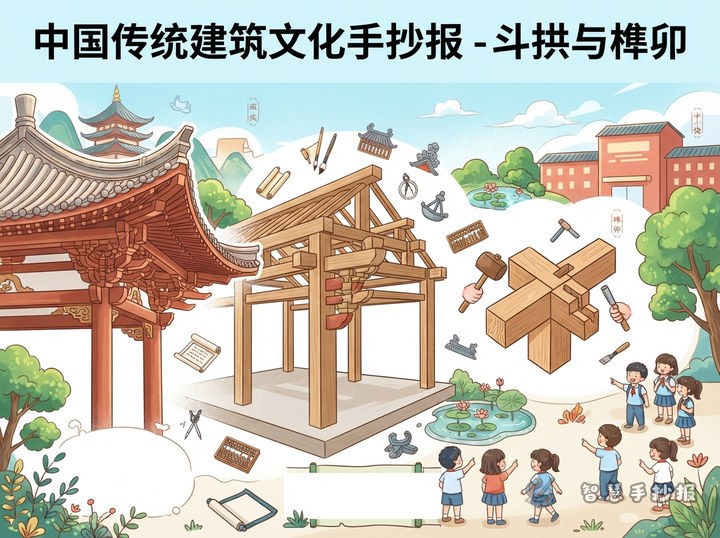
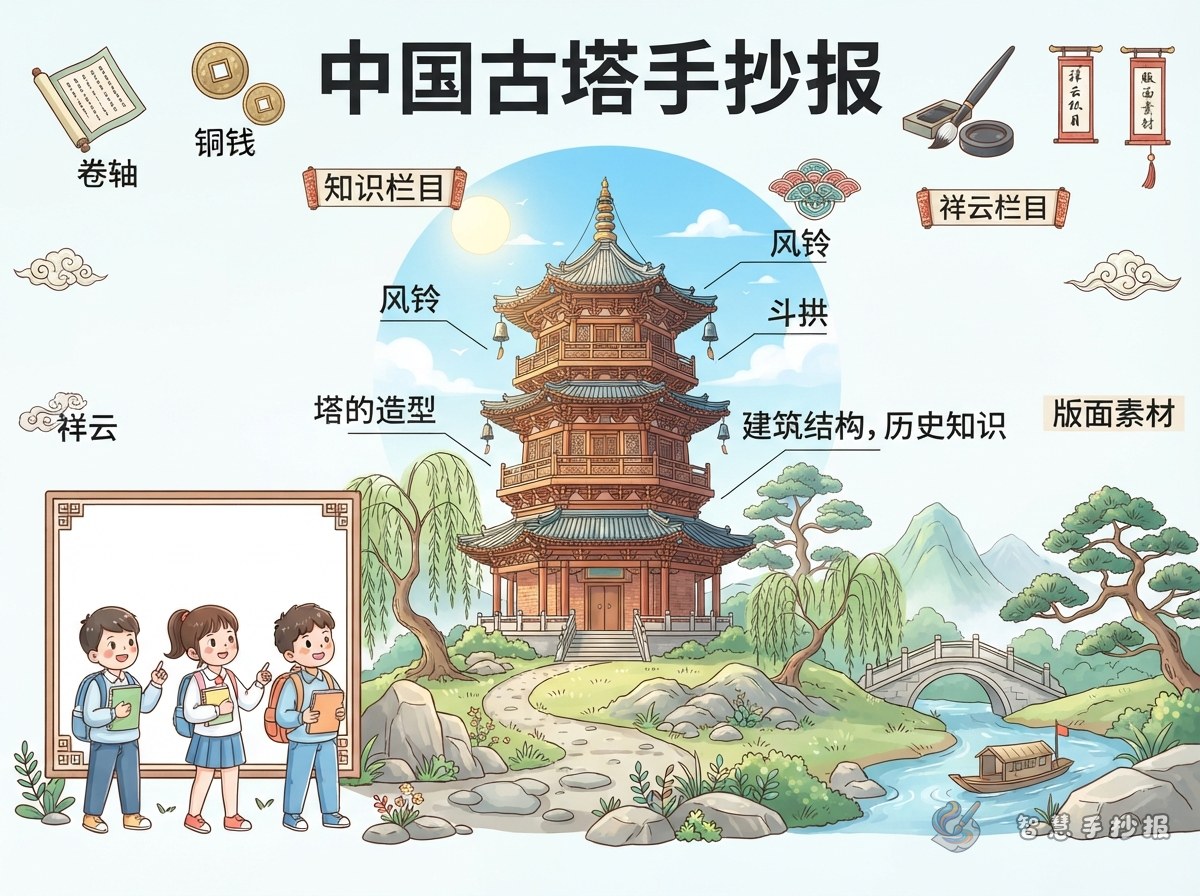
On a portrait page, draw the tower across the top third, split the middle with one horizontal line, put pagoda facts on the left and your chosen pagoda on the right, then keep a thin strip at the bottom for the title or a short conclusion. On a landscape page, place the tower in the left third and divide the right side into three boxes for floors, materials and stories, with more pictures and fewer words.
- Write the main title larger and place it at the top or in the upper left corner.
- Give each column a small icon such as a bell, an eave or a roof tile.
- Use simple patterns for the border, like repeating lines or clouds, and do not let it outshine the tower.
- Leave a little space between text blocks so nothing touches the border.
Drawing Tips That Make It Look Like a Pagoda
- Sketch one vertical guide line in pencil, then draw each set of eaves symmetrically so the tower stays straight.
- Make every layer a little narrower than the one below. The stronger the taper, the taller the tower looks.
- Add small doors or arches between floors. A few short lines are enough.
- Colour the eaves in a deeper grey or brown, keep the body lighter, and touch the spire with gold or red.
- Add a cloud, a tree or a tiny bell beside the tower and the whole picture comes alive.
A Last Look Before You Hand It In
Check that the title states the topic clearly, that every column has content, that there are no spelling mistakes and that the corners still have some empty space. If you are short on time but still want a tidy layout, open the WeChat mini program Smart Handwritten Newspaper, choose a traditional architecture template, fill in the text above and adjust the colours and columns to your own taste.