A focused question makes the poster stronger
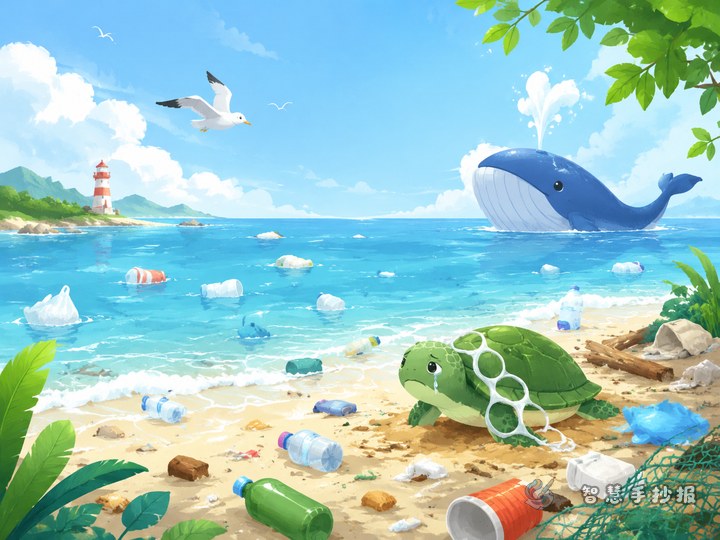
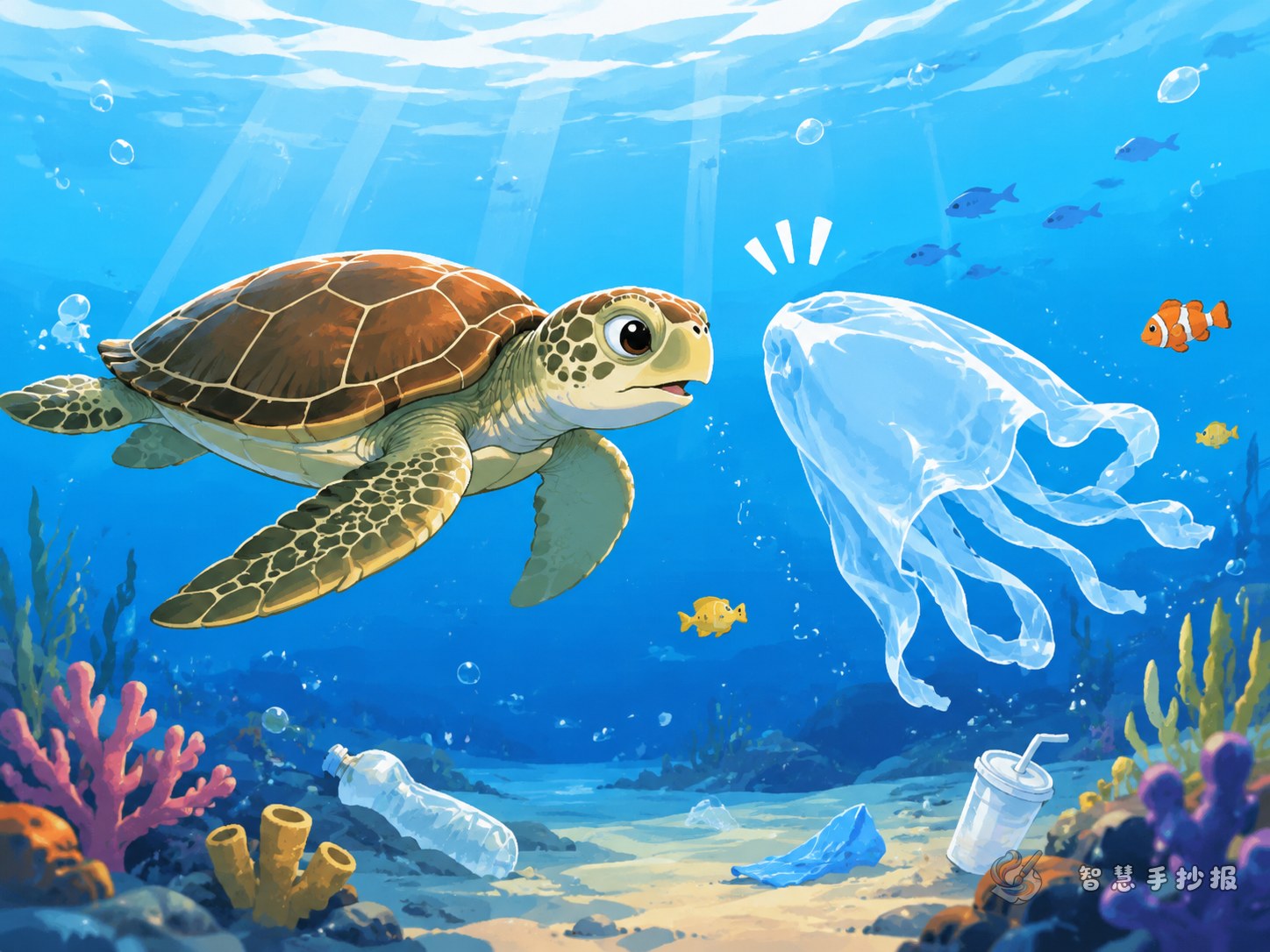
Instead of writing a general ocean protection poster, this topic uses one striking question: Why do sea turtles mistake plastic bags for jellyfish? That makes the poster easier to understand, more memorable for students, and more meaningful as a marine protection theme.
You can use the question itself as the main title, or change it slightly into a phrase such as “A Plastic Bag Is Not a Jellyfish” or “What Sea Turtles See in the Ocean.”
Ready-to-use writing material
Sea turtle facts
Sea turtles are reptiles that live in the ocean. They are important parts of marine ecosystems and feed on different kinds of sea life, including jellyfish and sea plants.
Why the mistake happens
When a plastic bag floats in seawater, it may look thin, soft, and partly transparent. As it moves with the waves, it can resemble a jellyfish. A sea turtle may not tell the difference in time and swallow it.
What happens after swallowing plastic
Plastic is not food. It can block the turtle’s digestive system, make it weak, and stop it from eating normally. In serious cases, it may lead to severe injury or death, which also harms the balance of marine life.
What people can do
Use fewer disposable plastic bags, throw waste away properly, keep rivers and beaches clean, and take part in simple environmental actions. Small daily habits can help protect sea turtles.
Try a story-style layout
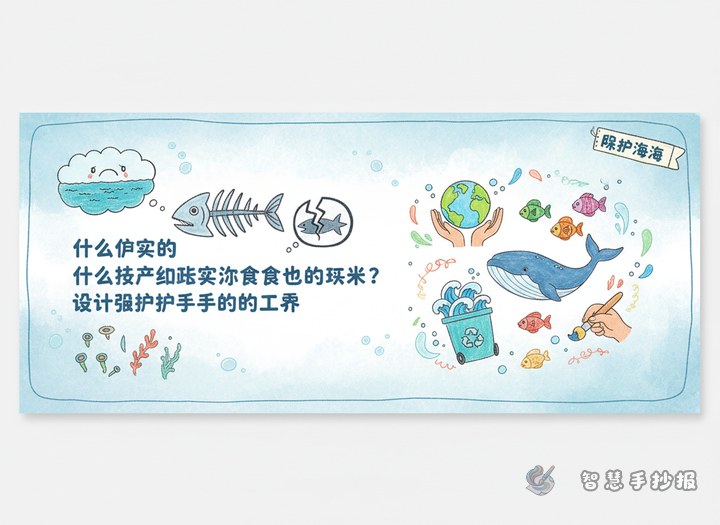
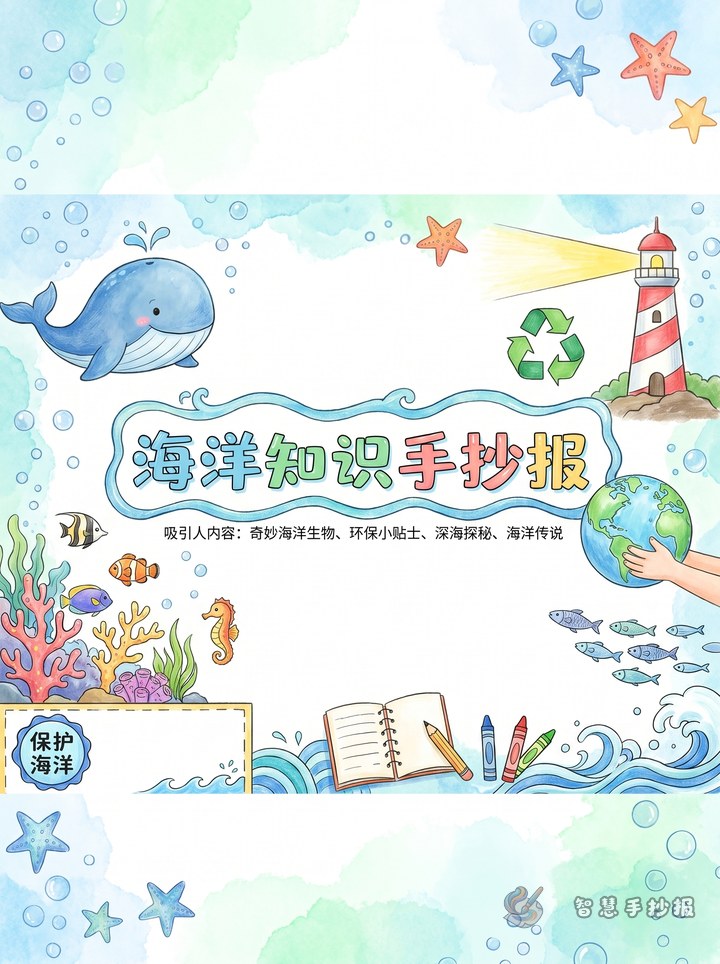
This poster can follow a visual path from land to sea. Start with people using plastic bags, then show trash moving through rivers into the ocean, and finally show a sea turtle mistaking a bag for jellyfish. End with a section on how to help. This creates a story instead of a plain block layout.
- Top area: Big title with waves or bubbles.
- Center: Main drawing of a turtle, jellyfish, and floating plastic bag.
- Side boxes: Short facts in bubble, shell, or circle frames.
- Bottom: Action steps and a final slogan.
Section name ideas for students
- Turtle Profile
- Why Plastic Looks Like Jellyfish
- What Happens Next
- How I Can Help
- One Strong Slogan
If you have more space, add a small box called “Other Marine Trash” and mention items like plastic bottles, straws, and fishing line.
Simple slogans and a strong ending
Short slogans are easier to remember. You can write:
- A plastic bag is not a jellyfish.
- The ocean is not a trash can.
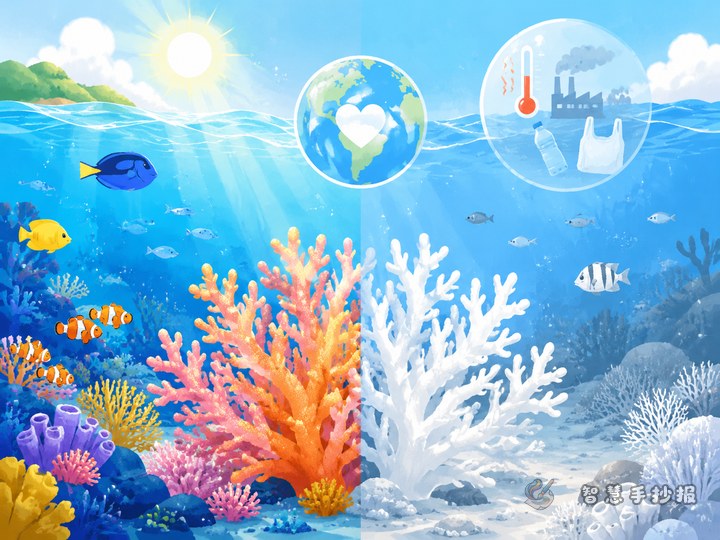
- Use less plastic, protect more sea life.
- Clean oceans help sea turtles survive.
A good final sentence could be: Let us reduce plastic waste and keep the ocean safe so sea turtles do not suffer from human carelessness.
Helpful making tips
Use blue, white, and light green as the main colors. Highlight key words like “plastic,” “mistake,” and “protect.” Keep the text in short paragraphs or bullet points so the poster stays neat and easy to copy. If you want to keep editing the design, layout, or title styles, you can continue in the Smart Handwritten Poster WeChat mini program.