Start with the theme of the marine food chain
If you want an ocean poster that includes both science knowledge and environmental awareness, the marine food chain is a strong topic. It helps students connect tiny plankton, small fish, larger fish, sea birds, sea turtles, and top predators, showing that ocean life is linked together rather than existing separately.
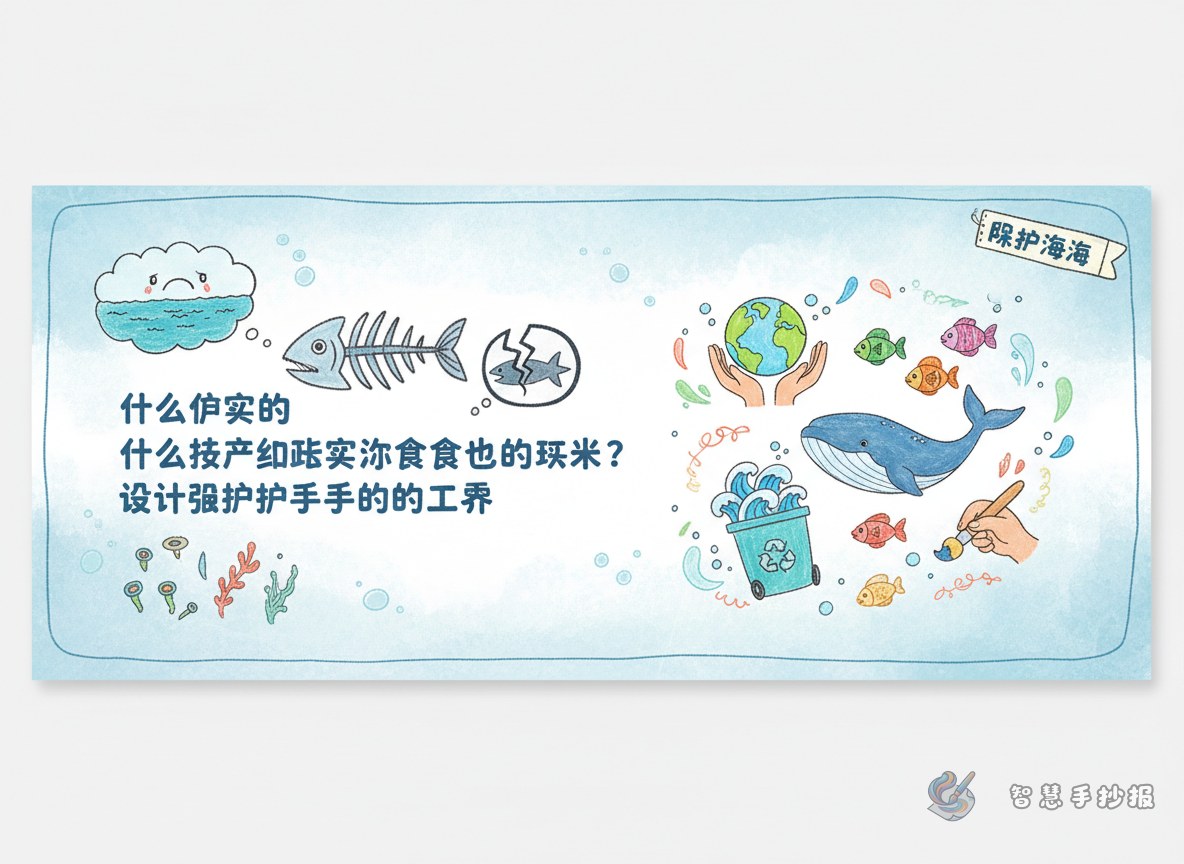
You can use titles such as “What happens if the marine food chain breaks?” “Who eats whom in the ocean?” or “Why does protecting every species matter?” These title styles sound natural and make the poster easier to organize.
Divide the page into four practical sections
1. A simple food chain lesson
Explain the marine food chain in easy words. For example: The marine food chain is the relationship of eating and being eaten among ocean creatures. It starts with tiny plankton and continues through small fish, squid, larger fish, sea birds, and marine mammals, forming a connected life system.
2. Important links in the chain
- Phytoplankton: tiny but essential as the base of energy.
- Small fish and shrimp: they connect lower and higher levels.
- Larger fish: they help keep populations balanced.
- Sea turtles, sea birds, and dolphins: they support a stable ecosystem.
3. Why the food chain is harmed
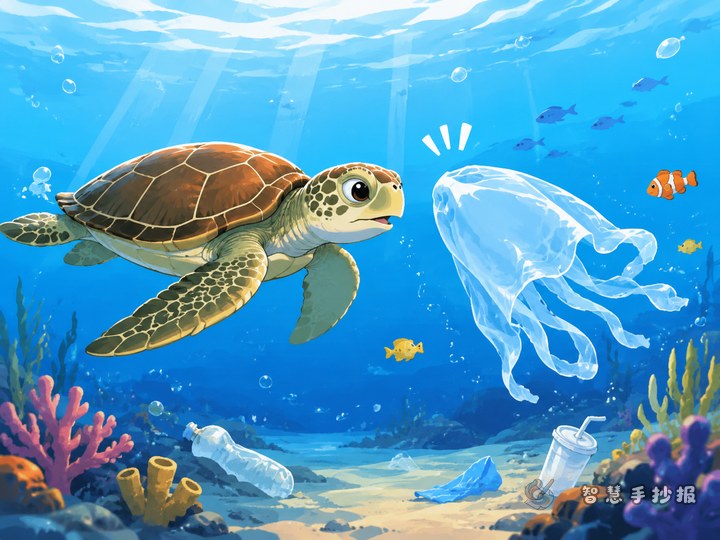
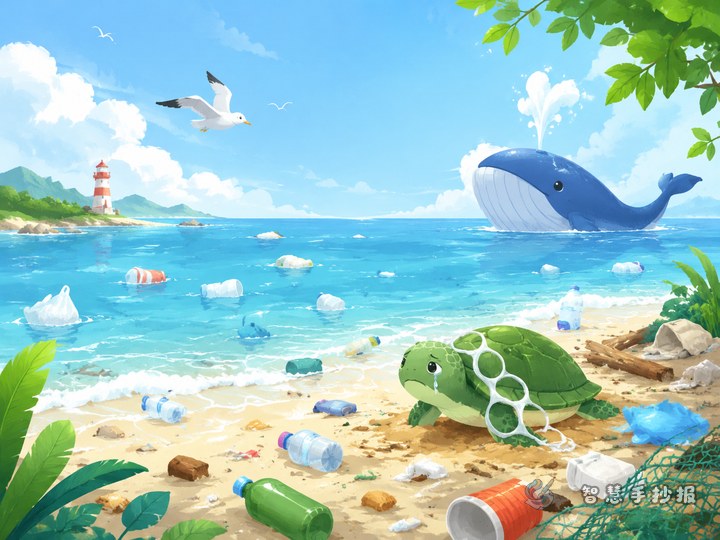
- Marine litter enters the sea and is eaten by animals by mistake.
- Overfishing reduces the number of some species.
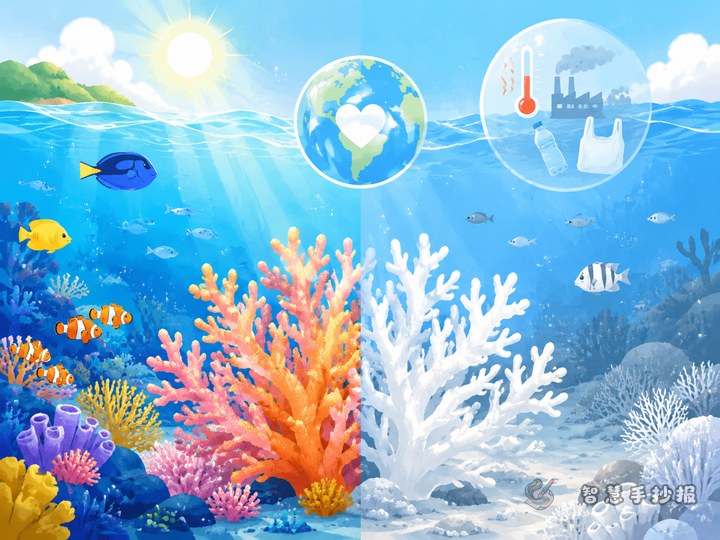
- Pollution affects plankton, fish, and other ocean life.
- Damaged habitats make it harder for animals to live and reproduce.
4. What we can do
- Use fewer disposable plastic products.
- Do not throw rubbish on beaches or into water.
- Learn ocean facts and share protection ideas.
- Save water and care about daily environmental habits.
Short lines students can copy onto the poster
These simple lines work well in the center or in side boxes:
- The marine food chain is connected, and every link matters.
- Protecting small creatures helps protect the future of the sea.
- The ocean is not a trash bin, but a home for countless lives.
- Learn about the sea first, then protect the blue planet better.
You can also add a longer summary line: When one kind of sea life decreases too much, many other creatures are affected too. That is why ocean protection should focus on the whole ecosystem.
How to make the layout clear
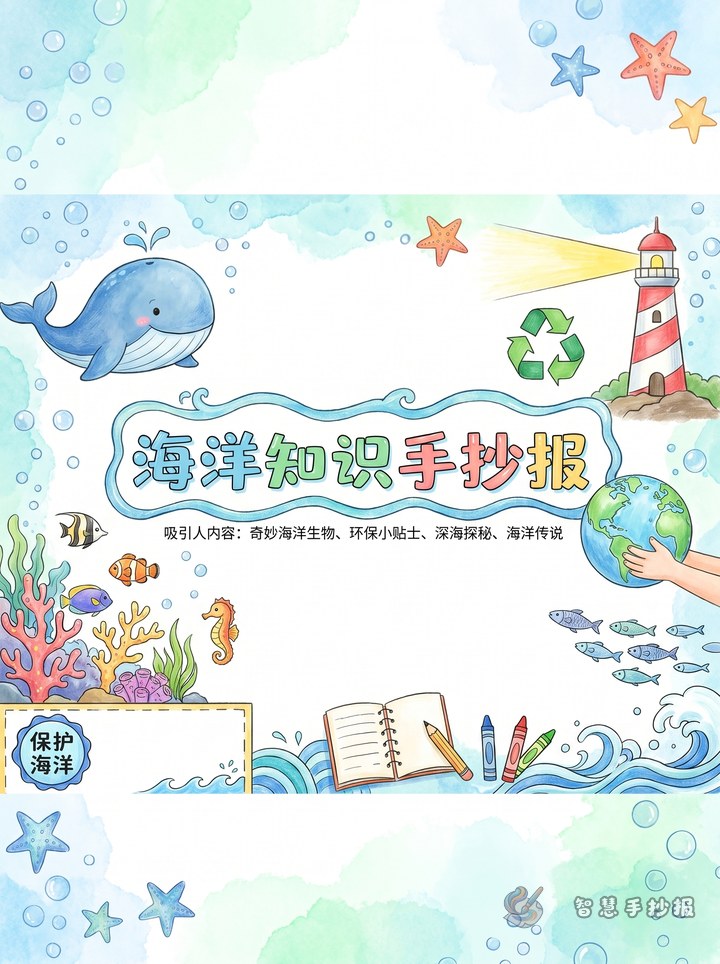
Use arrows from bottom to top or from left to right to connect plankton, small fish, larger fish, and top predators. This makes the food chain easy to understand at a glance. Put the main title in the middle and place knowledge notes, danger notes, and action tips around it.
Blue, green, and white are good main colors because they create an ocean feeling. Small drawings like waves, shells, seaweed, fish, and coral can decorate the corners, but do not overfill the page. Use bold text for the most important messages.
Finish with a strong ending
Instead of ending with only “Protecting the ocean is important,” write something more specific. For example: Every species in the sea plays a role in the food chain, so protecting the ocean means protecting the entire blue home. This kind of ending gives the poster a complete message.
If you want to keep improving your layout, try a different title, or add more poster sections, you can continue creating in the Smart Handwritten Newspaper WeChat mini program for a more polished result.