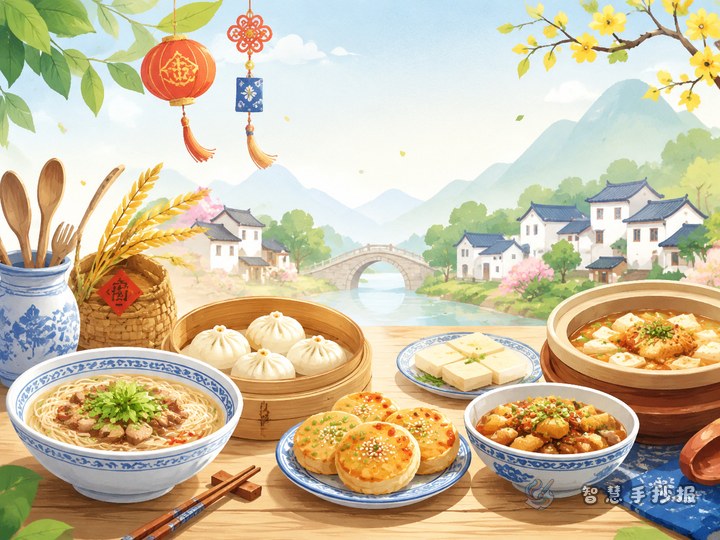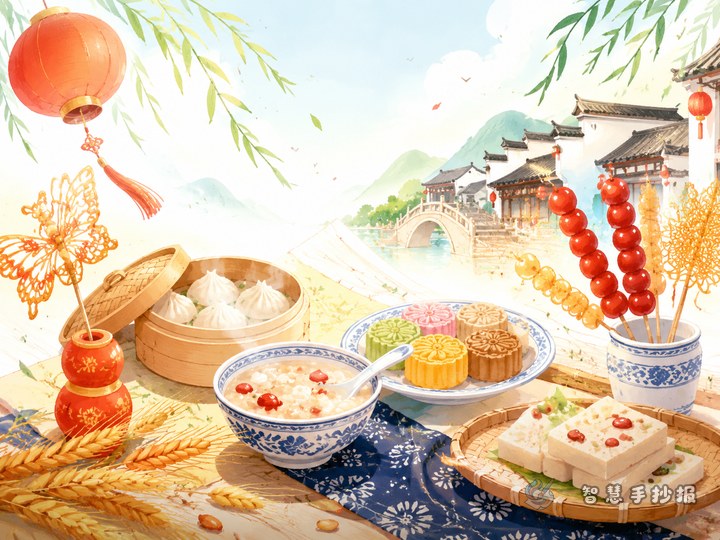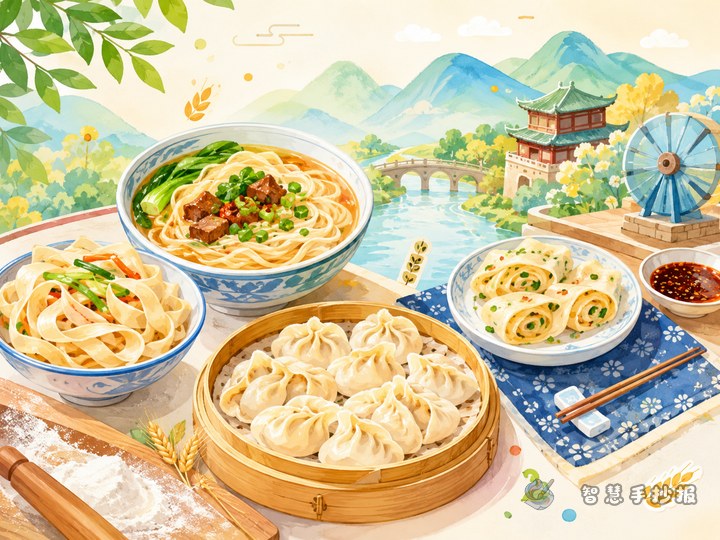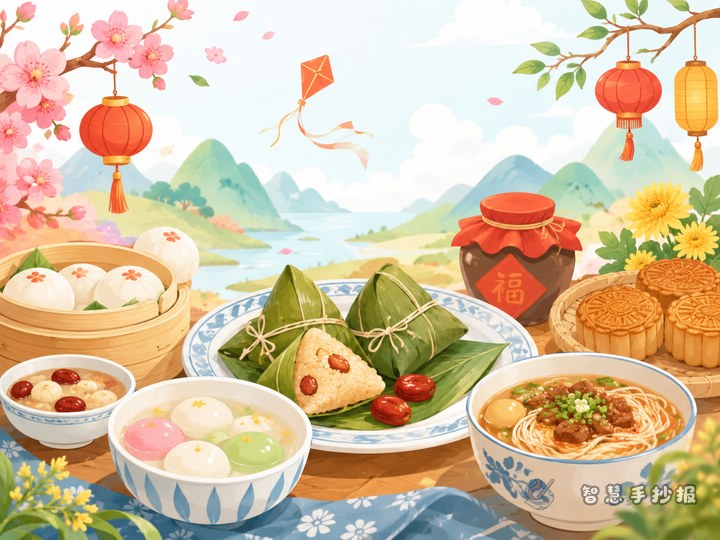
Choose the main dish first
The most common problem with this kind of handwritten newspaper is trying to include too many foods without a clear focus. It is better to choose one main signature dish and, if needed, add one or two supporting dishes. The main dish should be something people strongly connect with your hometown.
You can choose from a festival dish, a family favorite, a local banquet dish, or a dish that visitors often remember. This gives your page a strong center and makes the writing easier.
Useful sections for the page
If you want the newspaper to look clear and full, divide it into a few small sections with different purposes.
- Dish profile: name, flavor, color, and main feature.
- Main ingredients: what the dish is made from and what makes it local.
- Simple cooking method: steaming, frying, boiling, braising, or stir-frying.
- Why local people love it: eating habits, weather, family tradition, or taste preference.
- Family or holiday story: when the dish appears on the table and what it means.
- My recommendation: a short personal sentence to make the page warmer.
Describe more than just delicious
Many students only write that a dish is tasty, but that makes the content thin. Try breaking the description into smaller parts.
- Texture: soft, crispy, juicy, smooth, chewy.
- Aroma: light, rich, spicy, sweet, slow-cooked.
- Color: golden, bright red, creamy white, fresh green.
- Scene: fresh from the pot, eaten in winter, shared at a family meal.
You may also add a warm sentence such as: This dish is not only a flavor on the table, but also a memory of family and hometown.
How to show food culture naturally
Food culture does not need big or difficult words. It simply means explaining how local people eat, when they eat, and why they like to eat this way. Some places enjoy stronger flavors because of the climate. Some dishes are common at holidays because they carry happy meanings. Some foods are loved because families gather around them.
You can include two or three of these ideas:
- The connection between local climate and ingredients.
- The difference between daily meals and festival meals.
- The meaning of the dish at family gatherings or celebrations.
- The memories different generations have about the dish.
Layout ideas that work well
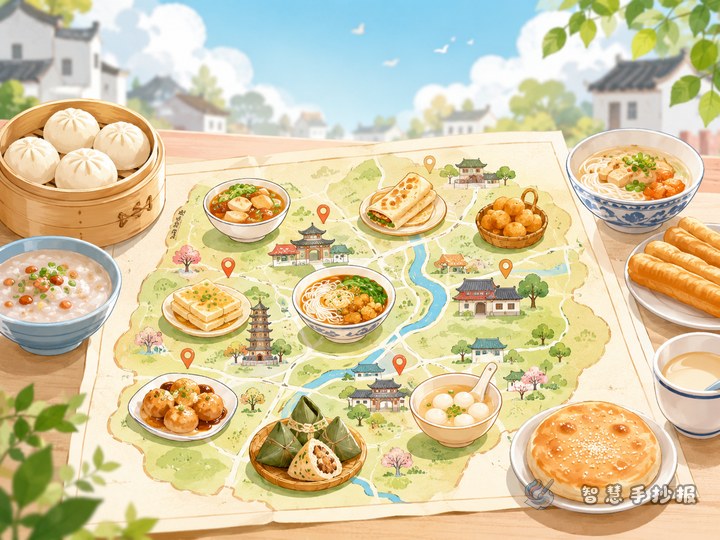
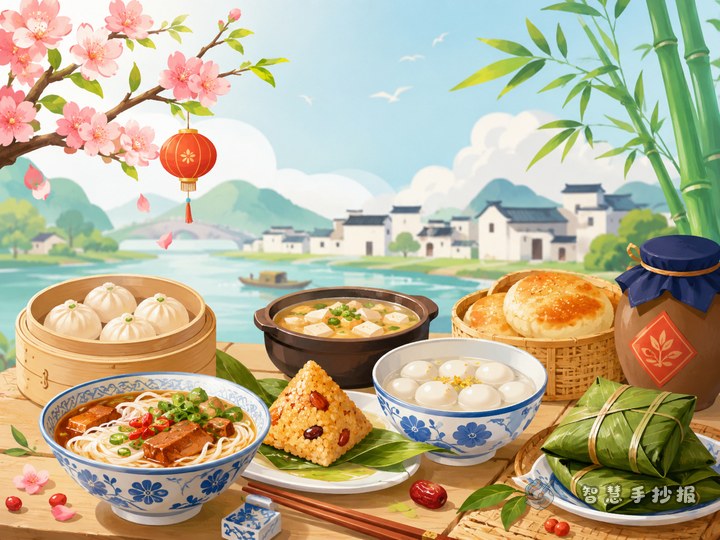
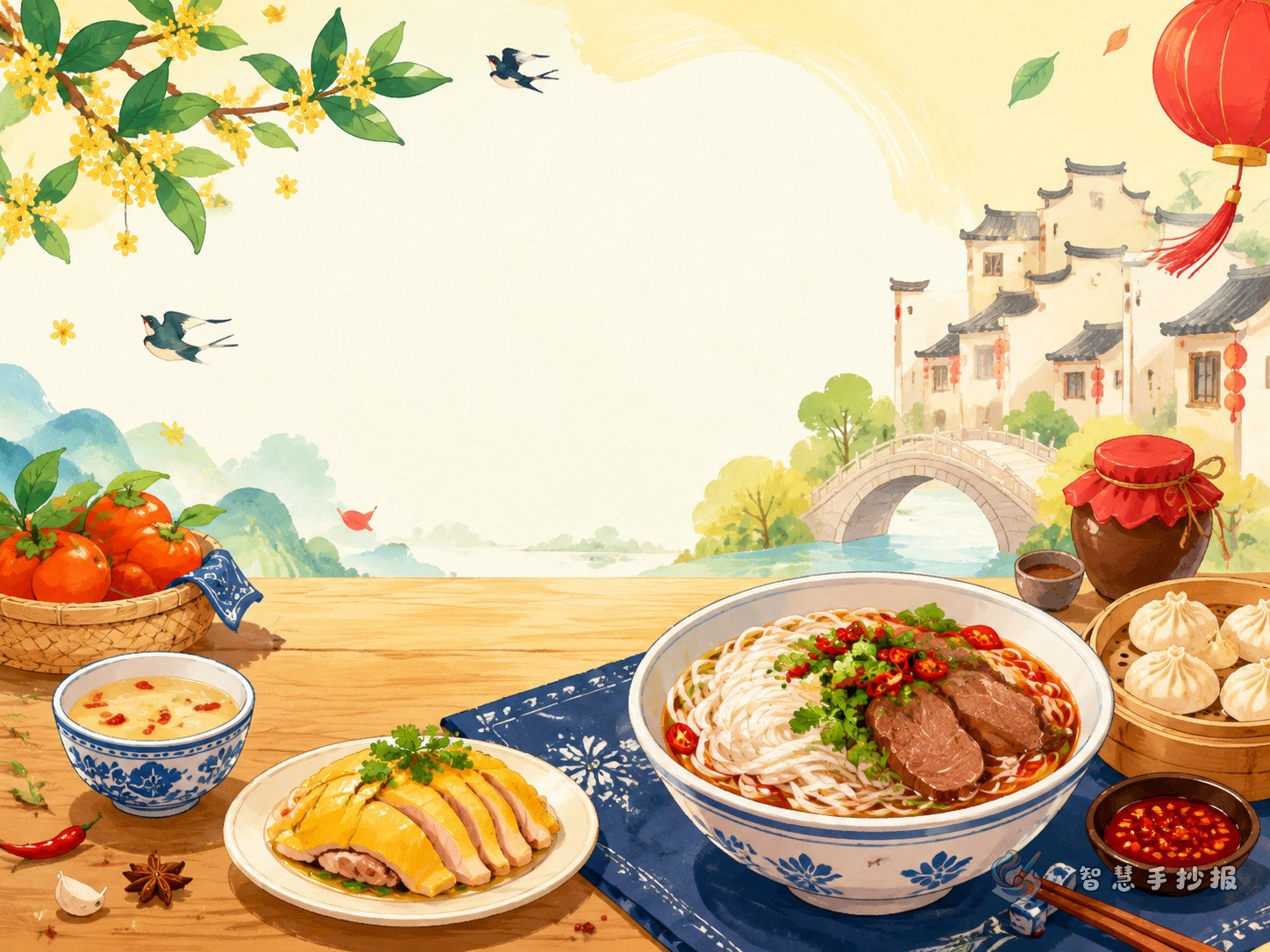
Put the main title at the top and use slightly larger letters. Around it, add small decorations such as bowls, chopsticks, steam, vegetables, grains, or simple table patterns. Place the main dish in the center and arrange the smaller sections around it. The lower part of the page can hold a short story or your personal recommendation.
Choose colors that match the dish. Spicy dishes fit red and orange tones. Lighter dishes work well with green and beige. Warm braised dishes can use brown and soft yellow. A simple border is enough and often looks cleaner.
Good ending lines for students
- A hometown dish carries both local flavor and family warmth.
- One familiar dish can help us remember the people and seasons of our hometown.
- Learning about local food is also learning about local life and culture.
Once you have decided what to write, you can continue arranging your page in the Zhihui Shouchao Bao WeChat mini program to make the handwritten newspaper more complete and attractive.