Start with a clear focus instead of listing random foods
For a hometown food culture handwritten newspaper, the best approach is to turn “food” into a vivid theme. Instead of simply naming many dishes, choose one practical angle such as a hometown breakfast, festival dishes, street food memories, or a family recipe.
This makes the page feel warmer and more personal. Readers can see not only what people eat, but also why those foods matter in daily life and local traditions.
Useful sections to include on the page
- Signature hometown flavors: Introduce 2 to 4 foods with their look, taste, and when people usually eat them.
- Dining customs: Explain what people eat on holidays, when hosting guests, or during family gatherings.
- Local ingredients: Write about common grains, vegetables, seasonings, or cooking styles in your hometown.
- My family food memory: Add a short personal story about cooking, shopping for ingredients, or eating together.
If you have more space, you can also add a small section like “A dish I want to recommend to my classmates” or “Why this flavor represents my hometown.”
Ready-to-use writing material
The taste of hometown is more than delicious food. It is also a warm memory of family, festivals, and everyday life. Some dishes may look simple, but they carry the joy of reunion and the feeling of home.
Food culture is an important part of local culture. Different places develop different eating habits because of climate, crops, and lifestyle. Some areas prefer wheat-based foods, while others mainly eat rice. Some flavors are light and fresh, while others are spicy or sour. These differences make every hometown special.
A familiar hometown dish often connects people with family love and local identity. Even when someone is far away, one familiar smell can bring back memories of the kitchen, the dining table, and loved ones.
Design ideas that show both food and culture
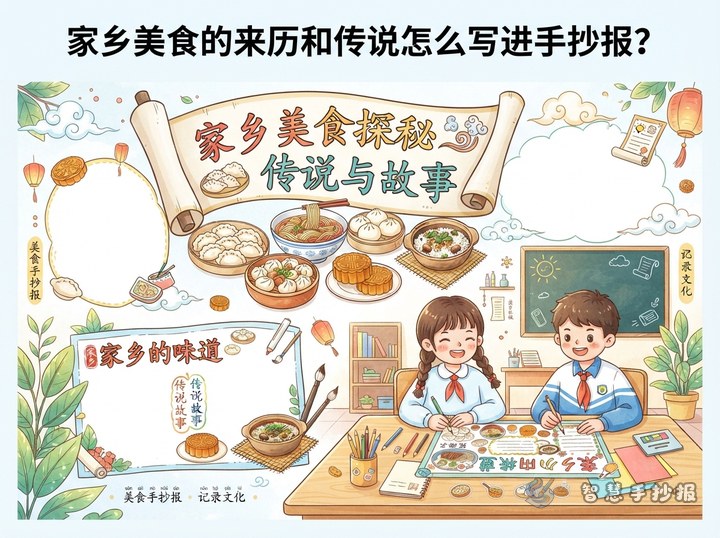
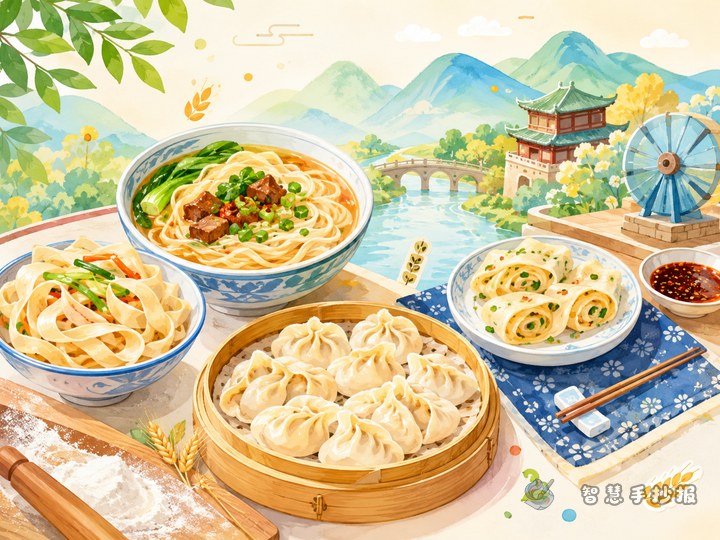
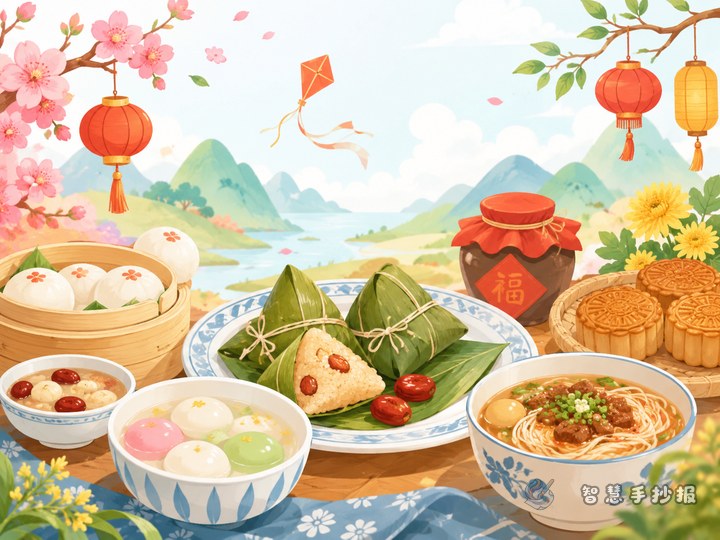
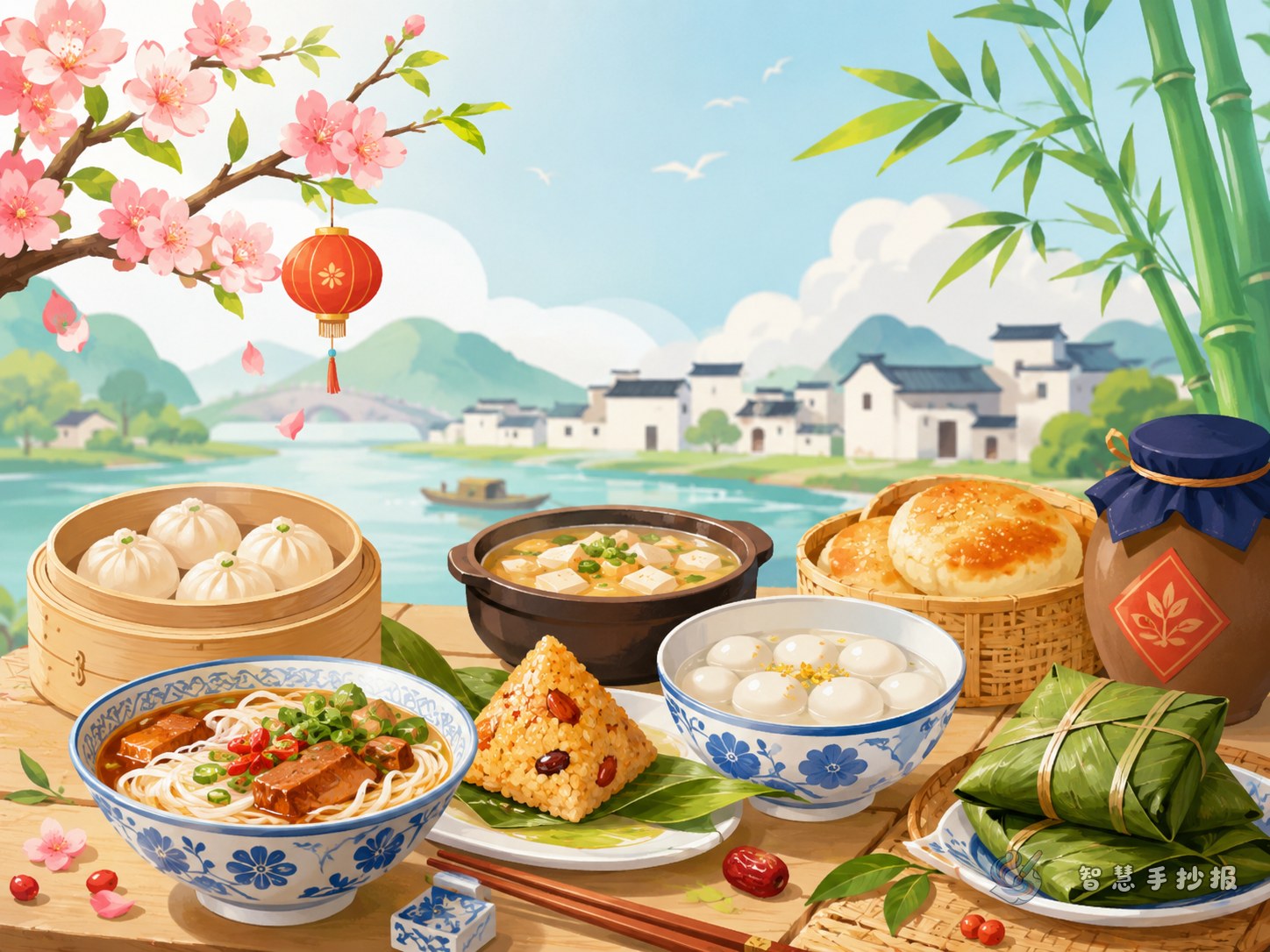
Place the main title at the top center. You can decorate it with bowls, chopsticks, steam lines, grains, or traditional patterns. A two-column layout works well: one side for foods, the other for customs and stories.
Warm colors such as orange, red, and cream are a good choice because they match the feeling of food and family warmth. For festival-related content, brighter colors can make the page more cheerful. For everyday home dishes, soft green and light brown can create a natural and simple look.
- Make the title larger than the body text.
- Keep subtitles short and easy to read.
- Use short paragraphs to keep the page neat.
- Add small drawings such as dumplings, peppers, spoons, or rice grains in the corners.
How to make the writing feel real
Many students write only general sentences like “My hometown has many delicious foods.” A better way is to include details: the morning steam from a breakfast stall, a holiday family meal, or a smell that instantly reminds you of home.
You can also connect “what people eat” with “why they eat it.” For example, explain why a certain dish is common in winter, why it is served during a festival, or why elders value it so much. This naturally brings culture into the handwritten newspaper.
Final checklist before you finish
- Choose one clear theme instead of too many unrelated foods.
- Include both food introduction and cultural meaning.
- Add personal feelings or family memories.
- Check whether the title area, text area, and decorations are balanced and tidy.
If you want to continue arranging the layout, adding more text blocks, or trying another design, you can move on in the Zhihui Shouchaobao WeChat mini program.