Start with one clear message children can express
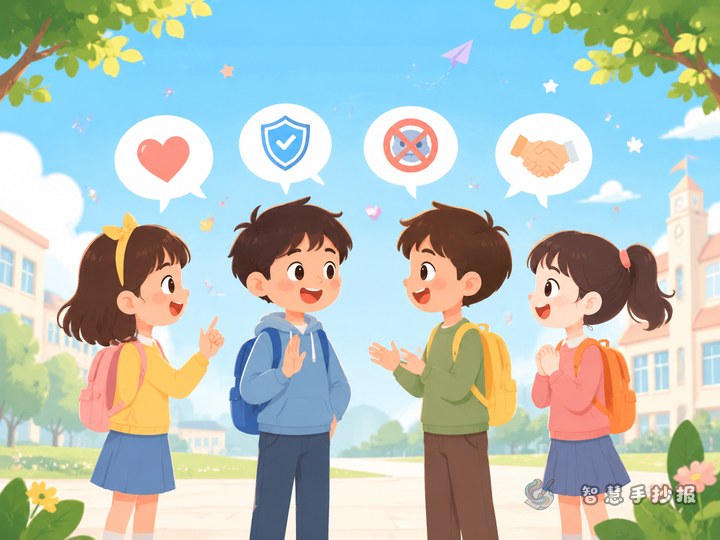
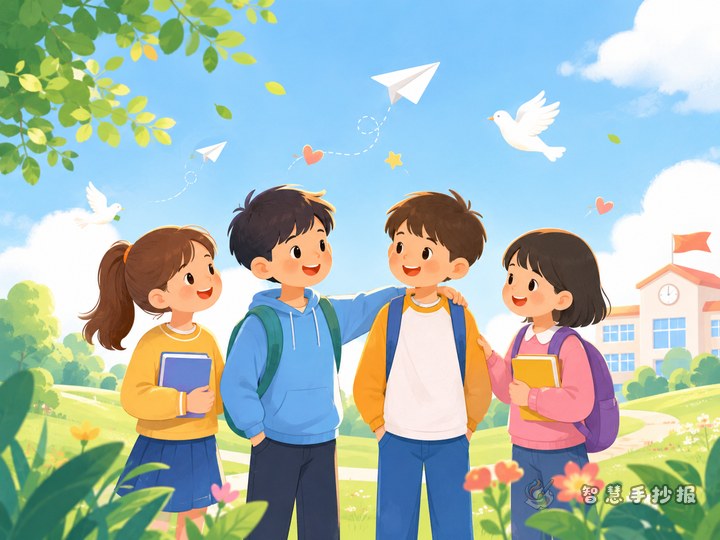
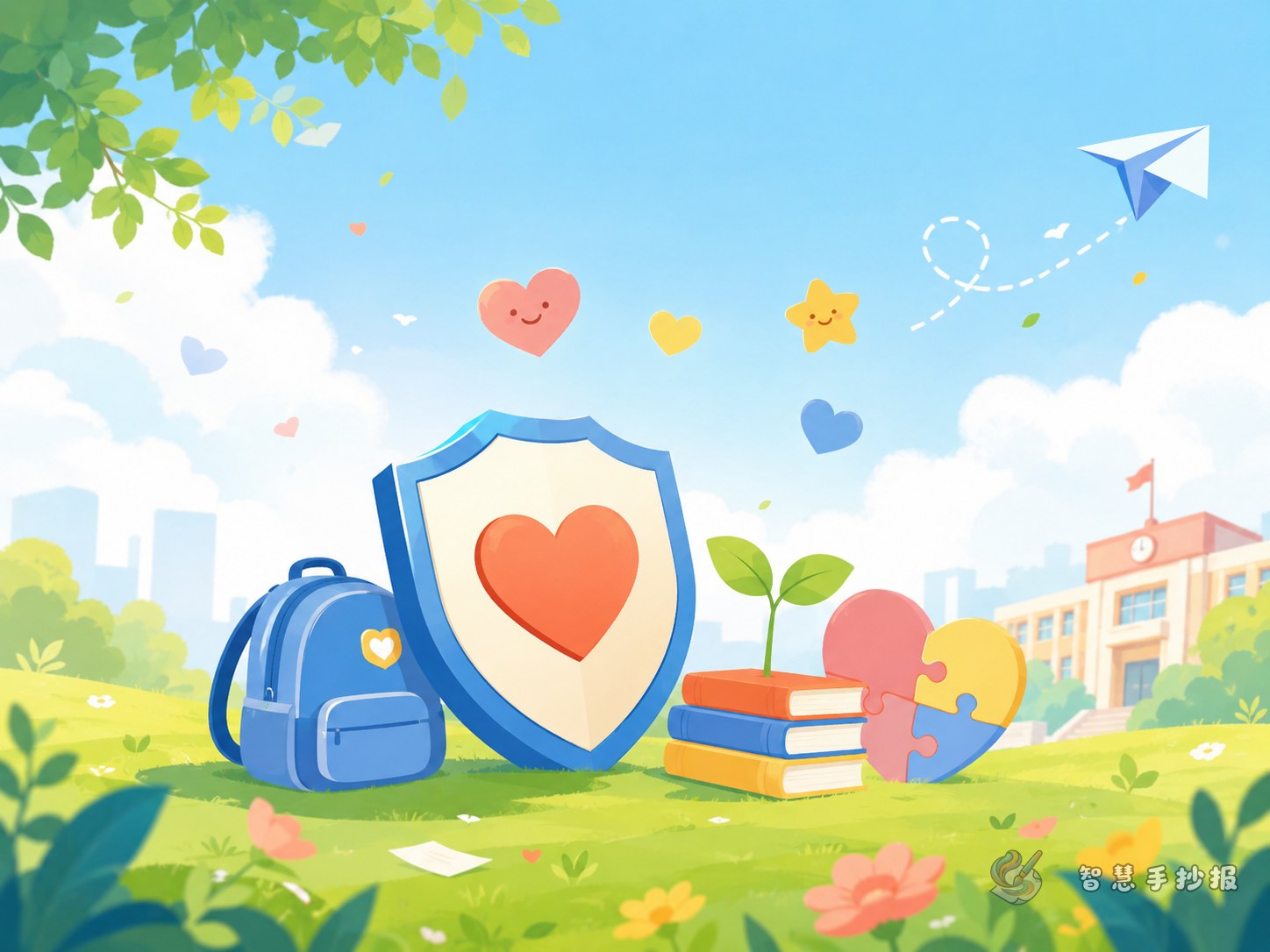
For this kind of poster, it helps to begin with one simple central idea instead of too many abstract statements. A few good examples are “Say no to bullying and yes to kindness”, “Speak up when you see unkind behavior”, or “Respect, help, and include every classmate”. Put the headline at the top center and decorate it with friendly elements such as smiling faces, hearts, hand-holding children, flowers, or school items so the page feels warm and safe.
A four-part layout that keeps the page easy to read
If students are unsure how to organize the poster, dividing it into four sections is a simple and effective choice.
- What bullying looks like: Explain it briefly with examples such as name-calling, teasing, exclusion, pushing, threats, or spreading hurtful words.
- What to do if it happens: Include practical actions like staying calm, moving away, asking a teacher or parent for help, and not dealing with it alone.
- Kindness promises at school: Write short rules such as do not laugh at others, do not label classmates, help new students, and play fairly.
- Small actions I can take: Comfort a classmate, solve conflicts by talking, and invite someone who feels left out to join in.
This structure makes the poster clear, balanced, and easy for teachers and classmates to understand at a glance.
Short text materials students can use directly
Headline-style phrases
- Say no to bullying, say hello to kindness.
- Schools need laughter, not harm.
- One respectful word can warm a heart.
- Do not be a bully, do not be a bystander, be a protector.
A ready-to-use paragraph
Kindness in school is not just a slogan. It is shown in small daily actions. Respect differences, do not mock others, do not exclude classmates, and do not use hurtful nicknames. When problems happen, talk first. When bullying appears, ask for help in time. Every child deserves to feel safe, respected, and cared for in school.
Reminder lines
- Do not turn someone’s pain into a joke.
- Do not gather around or spread hurtful words.
- Ask teachers for help when something feels wrong.
- Helping classmates helps build a better class.
Design ideas that make the poster feel warmer
Use light blue, soft green, or gentle yellow as the main colors to create a fresh school feeling. If you want to highlight warning points, use a little red in key boxes only. Rounded title lettering often matches this topic better than sharp or aggressive styles. Borders with books, leaves, flags, or children holding hands can strengthen the school atmosphere.
A simple central drawing works well, such as classmates helping each other, a teacher supporting students, or children standing together. Place the text sections around the picture. Try not to fill every corner. Clean spacing usually looks better than an overcrowded page.
Easy making tips for primary school students
- Sketch the layout lightly in pencil before writing.
- Keep each text section to about three to five lines.
- Highlight key words such as kindness, respect, help, and safety with color.
- Choose simple drawings like schoolbags, hearts, trees, or smiling children.
- Check spelling at the end so the poster looks neat and complete.
If students want to sort ideas faster and continue building a more polished school poster, they can also use the Zhihui Shouchaobao WeChat mini program for the next step.