Start with one clear focus: which artifact do you want to introduce?
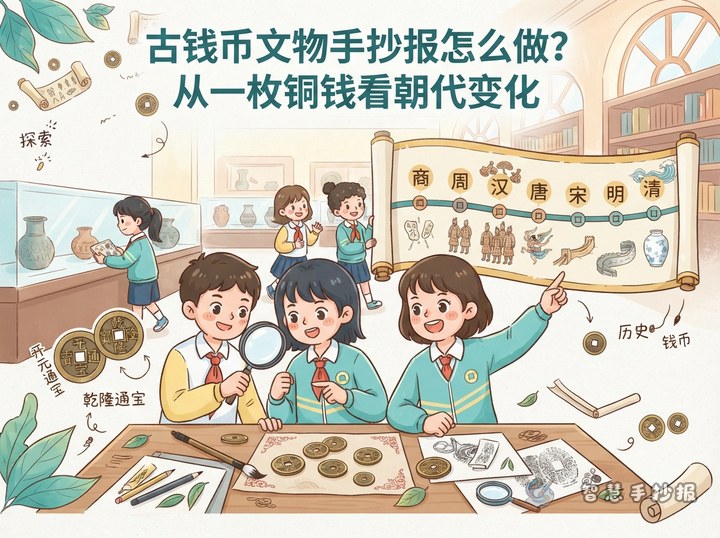
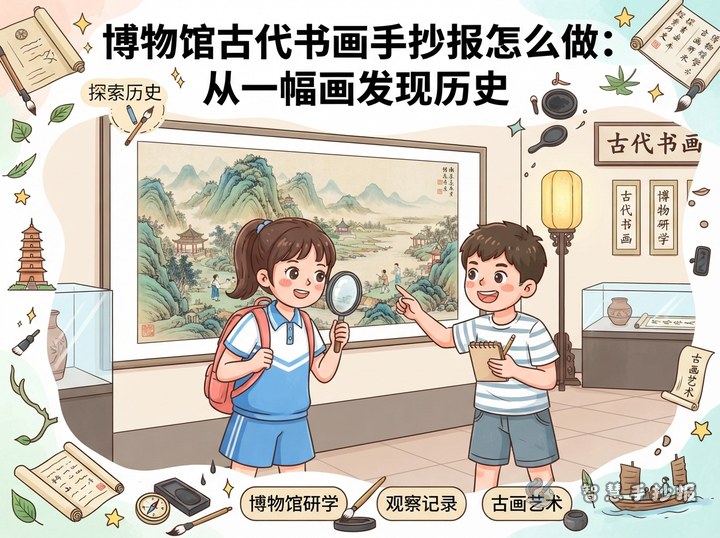
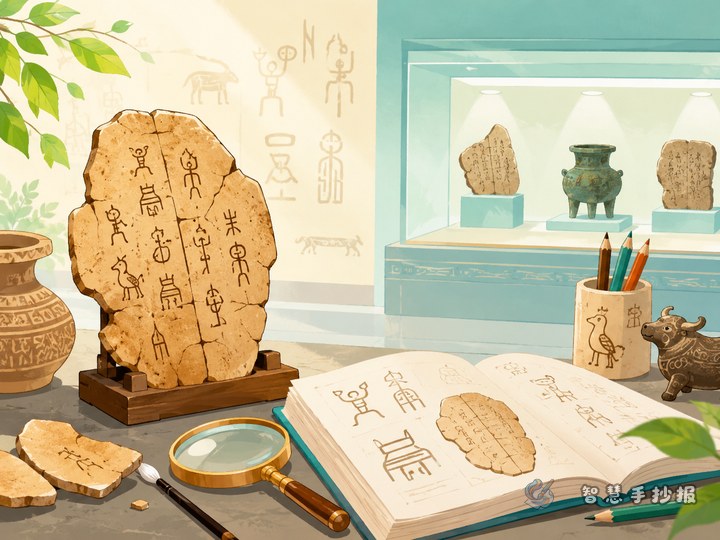
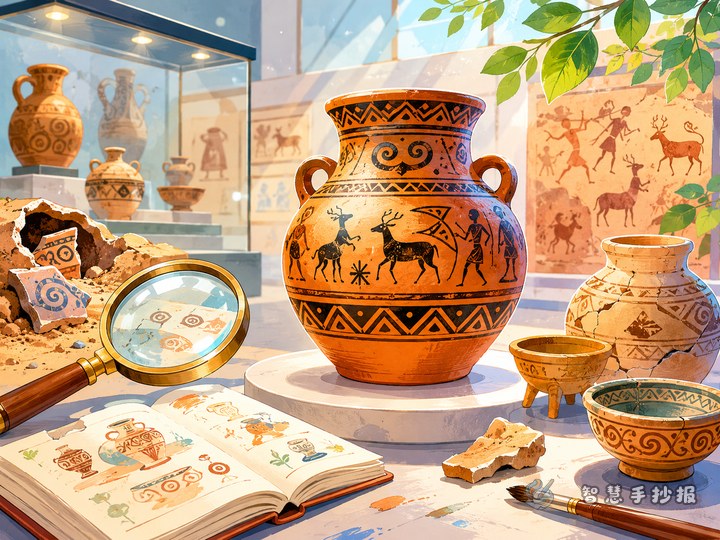
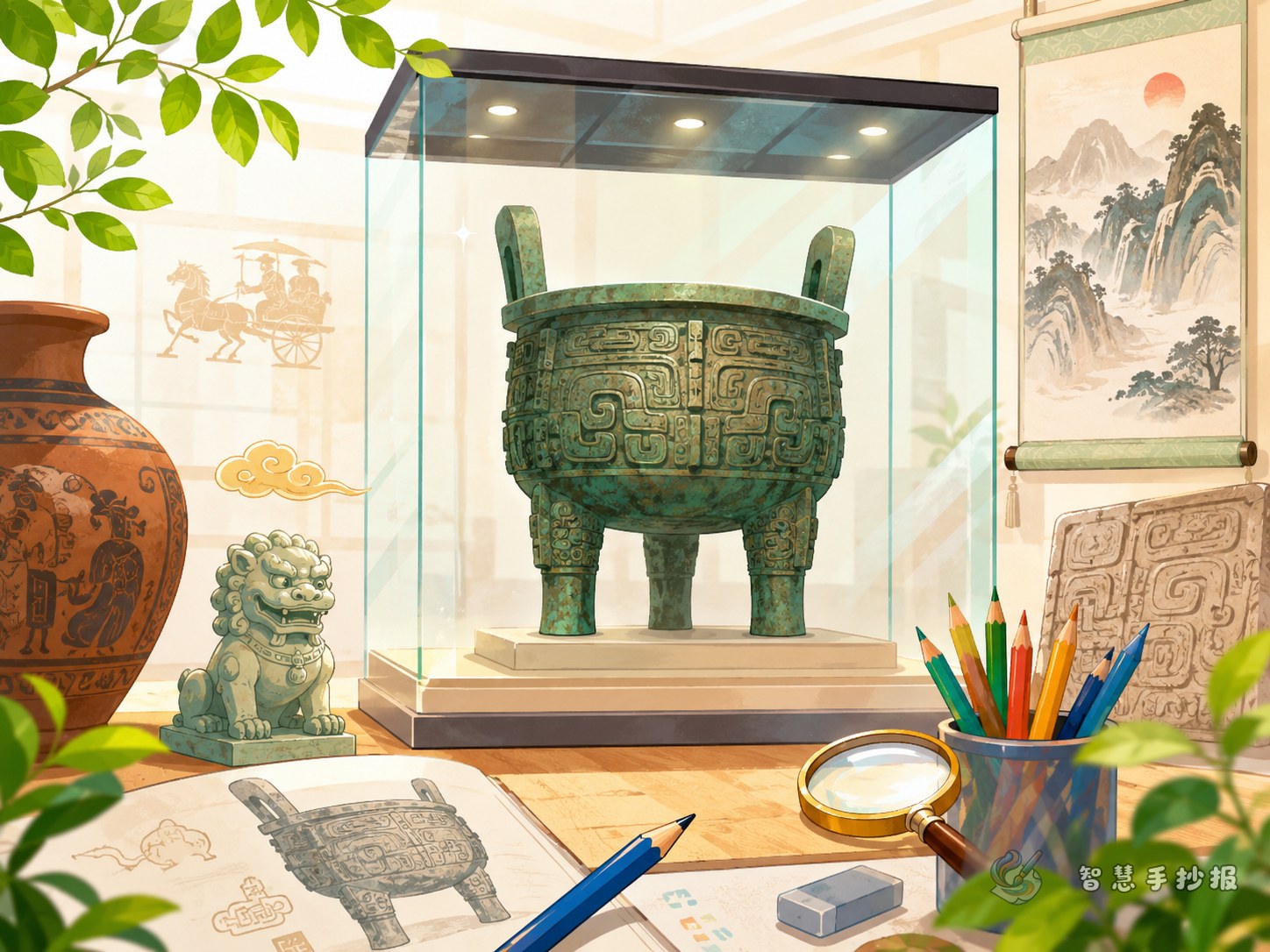
For a “museum treasure” handwritten newspaper, you do not need to include everything from the museum. Choosing one key artifact makes the page easier to write and more interesting to read. You can pick a bronze vessel, pottery figure, porcelain piece, painting, or jade object that impressed you most, then build your page around its museum, historical period, main features, and your learning experience.
The center of the page works well for the main title, such as “How to Make a Museum Treasure Handwritten Newspaper” or “An Important Artifact I Learned About.” A small subtitle can make the design feel more complete.
Four sections that work especially well for students
1. Artifact profile
- Name of the artifact
- Historical dynasty or time period
- Material and original use
- Museum where it is displayed
2. Details I noticed
Write about its color, patterns, shape, and overall impression. You can describe what the handles look like, how the decoration is arranged, or why the object was easy to remember. Simple and honest observation is more important than difficult words.
3. The story behind the artifact
You do not need a long history lesson. Just include a few facts that help readers understand what the artifact shows about ancient life, craftsmanship, beauty, or rituals.
4. What I learned from the museum visit
At the end, write your reflection, such as “Artifacts are not just old objects. They are clues left by history.” This part gives your handwritten newspaper a strong study-tour feeling.
Ready-to-use writing lines
- Opening line: Walking into a museum feels like opening a three-dimensional history book.
- Introduction line: Although this artifact stands quietly in a display case, it shows the wisdom and aesthetics of people in the past.
- Detail line: Its patterns are delicate and its shape is unique, as if every line is telling a story.
- Reflection line: Looking at artifacts is not only interesting, but also a way to learn respect for history and culture.
- Closing line: Protecting artifacts means carefully passing civilization from the past into the future.
Try a “centerpiece plus surrounding sections” layout
This topic fits a display-case style layout. Put the main artifact drawing or title in the center, then arrange sections such as “Artifact Profile,” “History Notes,” “My Observations,” and “What I Learned” around it. Borders can use scroll shapes, tile patterns, bronze-style designs, or museum ticket elements to match the theme without making the page too complicated.
For colors, beige, brown, dark green, and brick red create a historical mood and also work well for school projects. Keep the title bold, the text neat, and leave some blank space so the page looks carefully designed.
Small tricks that make the page stand out
- Keep it focused: it is better to explain one artifact clearly than list too many names.
- Observe before writing: real details make the content more vivid.
- Keep facts short: two to four sentences per section are enough.
- Add a meaningful message: ideas like respectful museum visits, artifact protection, and learning history give the page educational value.
If you already have a topic but still need help with layout, title styling, or section arrangement, you can continue designing in the Zhihui Shouchaobao WeChat mini program for a cleaner and more attractive handwritten newspaper.