Choose a focused angle: protect game accounts and pocket money
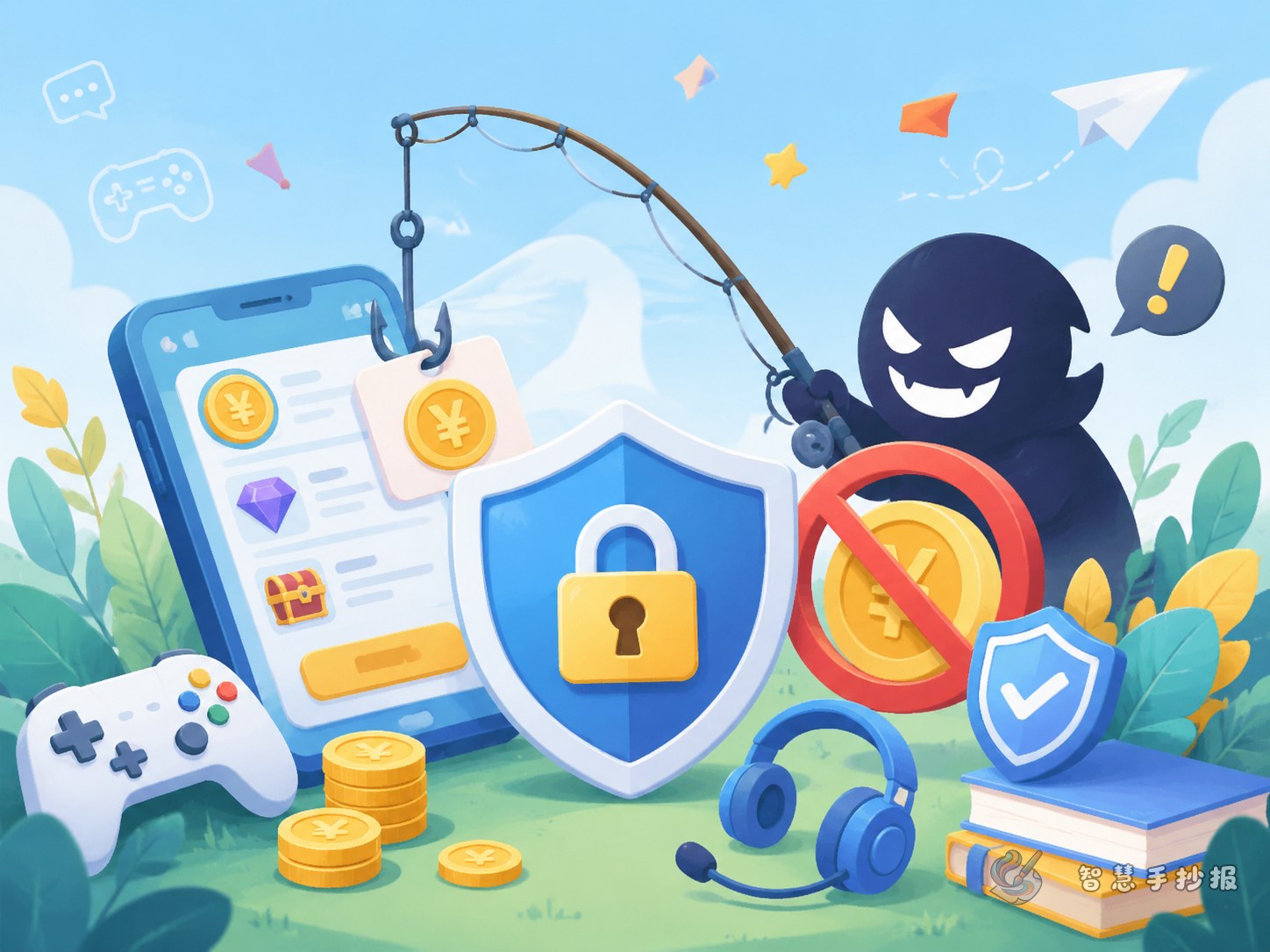
This type of handwritten newspaper works best when it centers on game top-up scams, account boosting scams, and fake skin giveaways. A focused topic is easier to write than a broad anti-fraud theme. Good titles can come from real situations such as how to avoid scams while gaming, whether free skins are real, or what to do if a stranger asks to borrow an account.
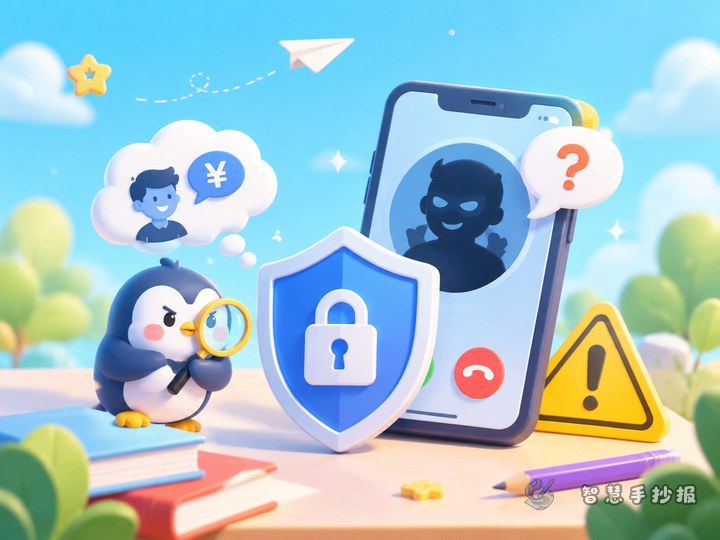
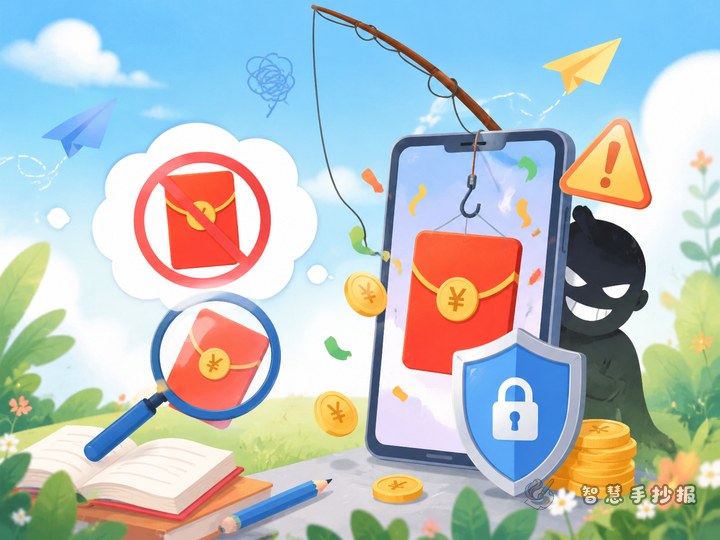
The opening can briefly explain the key warning: scammers often use phrases like free skins, cheap top-ups, rank boosting, guaranteed prizes, or scan to claim rewards. Once a student trusts them, personal information, game accounts, or even a parent’s payment account may be put at risk.
Useful sections to include on the page
Section 1: common game scams
- Free rare skin offers that ask you to add a stranger or scan a code
- Cheap game currency top-ups where the seller disappears after payment
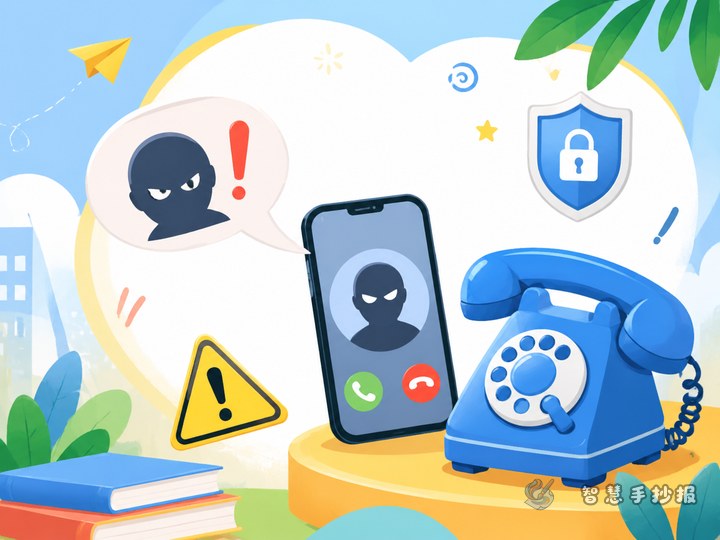
- Fake customer service messages saying your account has a problem
- Rank boosting requests that ask for your account and password
- Prize links shared in game groups that steal information
Section 2: four simple safety rules
- Do not trust reward messages from strangers
- Do not share your account, password, or verification code
- Do not open unknown links or QR codes
- Do not make private payments for game items
Section 3: what to do if something feels suspicious
- Stop immediately and do not continue chatting or paying
- Leave the page and save screenshots of the conversation
- Tell a parent or teacher right away
- Change your password and check account bindings
Short text materials students can copy
Safety reminder: Free rewards often hide traps. Protect your account first. Never tap unknown links, and never give anyone your verification code.
Short paragraph: When playing games, we may see messages such as free skins, prize rewards, or cheap top-ups. These offers can look exciting, but some of them are scams. We should not trust them out of curiosity or hurry. If we protect our account, avoid strange links, never transfer money privately, and tell adults when something feels wrong, we can enjoy games more safely.
Slogan ideas: Games are fun, but safety comes first. Do not trust fake freebies. Think first, click later.
How to arrange the layout
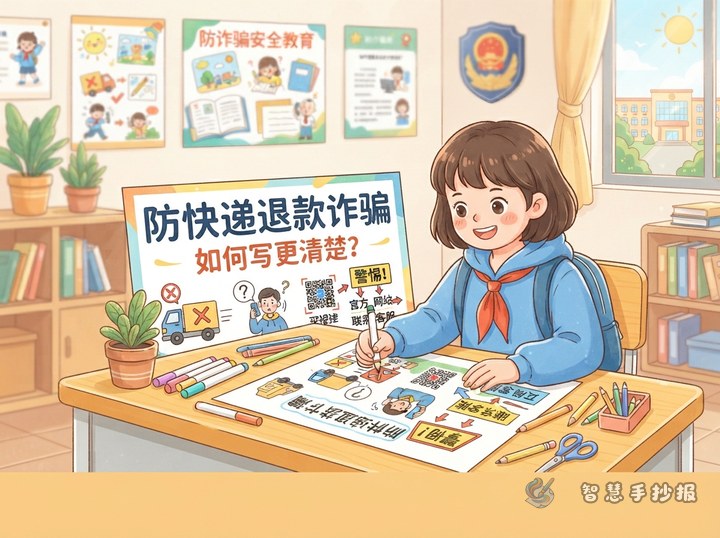
A clear layout is a big title in the center with side sections and a reminder box at the bottom. Put the main title in the middle, place common scams on one side and safety tips on the other, then add an action list or slogan at the bottom. This makes the whole page easy to read.
Blue, green, and orange are good color choices because they look bright and fit a school safety theme. Important phrases such as do not scan, do not share passwords, and tell parents first can be highlighted in bold color.
How to make it feel like a real student poster
Do not fill the page with long lectures. Use specific scenes instead, such as someone offering a free skin, asking for a verification code, or telling you to use a parent’s phone to pay. That makes the poster clearer and easier for students to remember. You can end with a personal sentence like: I will play safely and stay alert against scams.
If you want to keep improving the layout, switch title styles, or add more anti-fraud text materials, you can continue in the Zhihui Shouchaobao WeChat mini program.