Why this topic works well for a handwritten newspaper
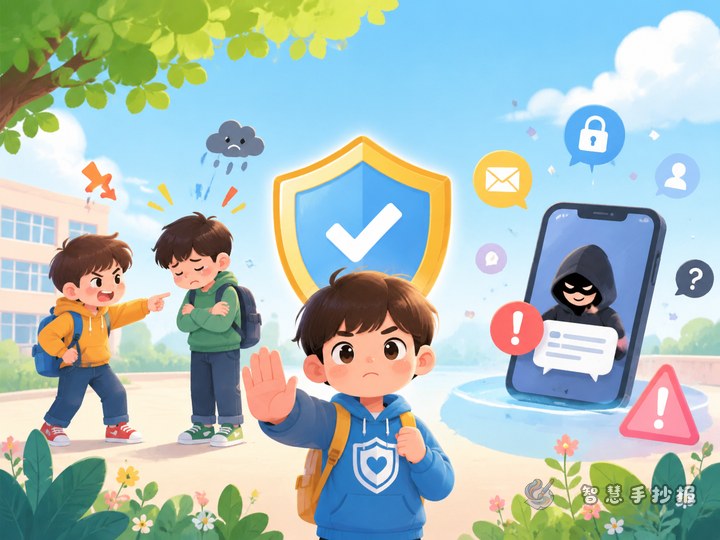
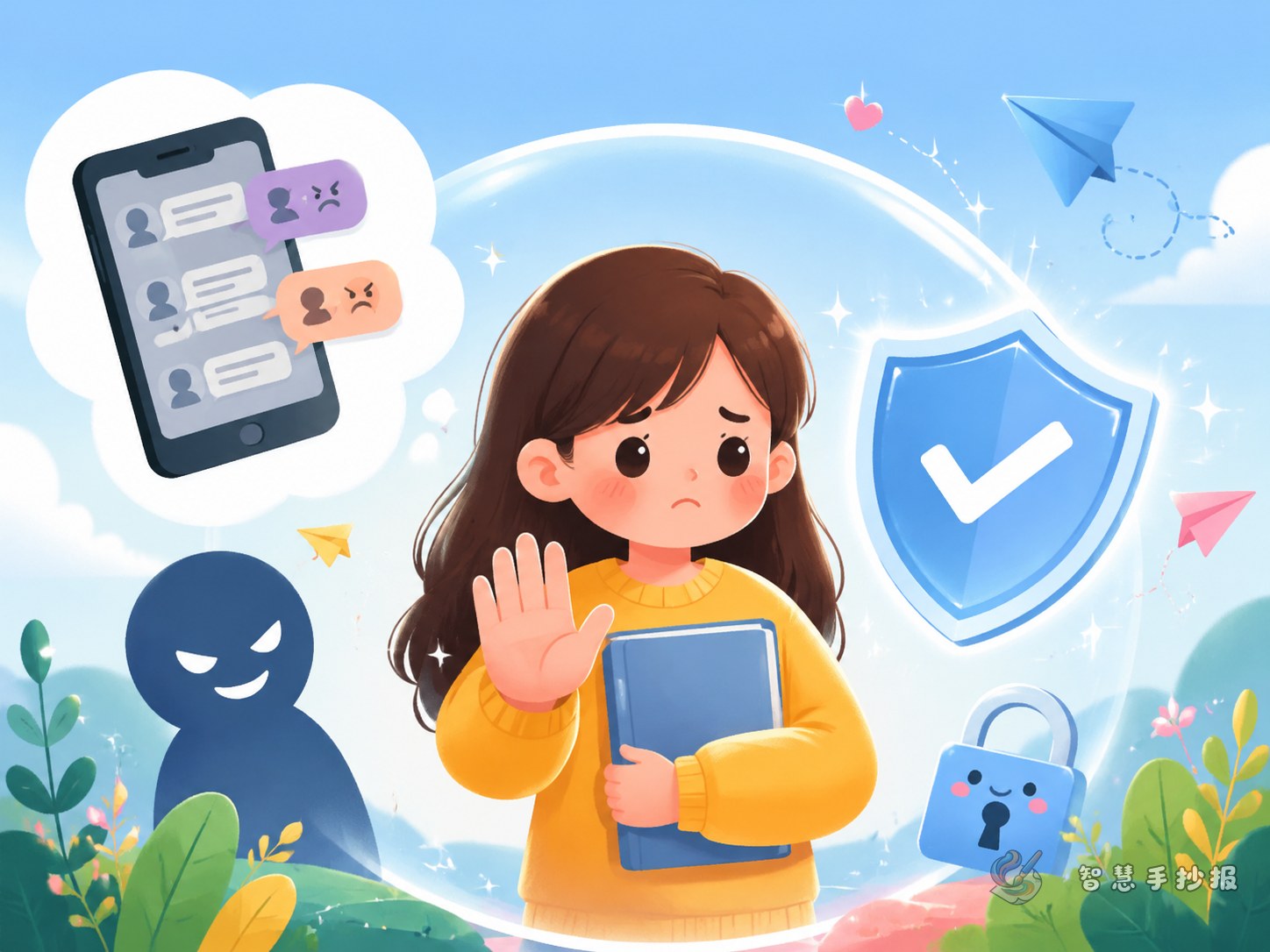
Being called a nickname by classmates and being added to a stranger group may seem unrelated, but both are part of self-protection. One is a form of verbal bullying, and the other may involve privacy risks, suspicious messages, or online scams. Putting them together makes the handwritten newspaper feel realistic and useful for school life.
The goal is not to write too much, but to make the message clear: what the danger signs are, what students should do, who they can ask for help, and what information should never be shared.
Title and section ideas
A question-style title feels natural and matches what many users actually search for.
- Main title idea: What Should I Do If a Classmate Gives Me a Nickname and Adds Me to a Stranger Group?
- Subtitle idea: Learn to Stop Bullying and Protect Yourself Online
- Subtitle idea: A Simple Guide to School Safety and Online Caution
You can organize the page around situations and actions:
- Recognize it: What counts as bullying and what makes a group suspicious
- Refuse it: What to say when someone mocks you or pulls you into a risky chat
- Ask for help: Teachers, parents, and trusted adults can help
- Keep records: Save screenshots or chat details instead of arguing online
Text materials students can copy
Anti-bullying lines
- Name-calling is not a joke if it hurts someone.
- Do not laugh, follow, or watch silently when others are being bullied.
- Say clearly, “I do not like that. Please stop.”
- If you are mocked or excluded, tell a teacher or parent in time.
Anti-scam reminders
- Do not join unfamiliar groups casually.
- Do not click unknown links or strange invitations.
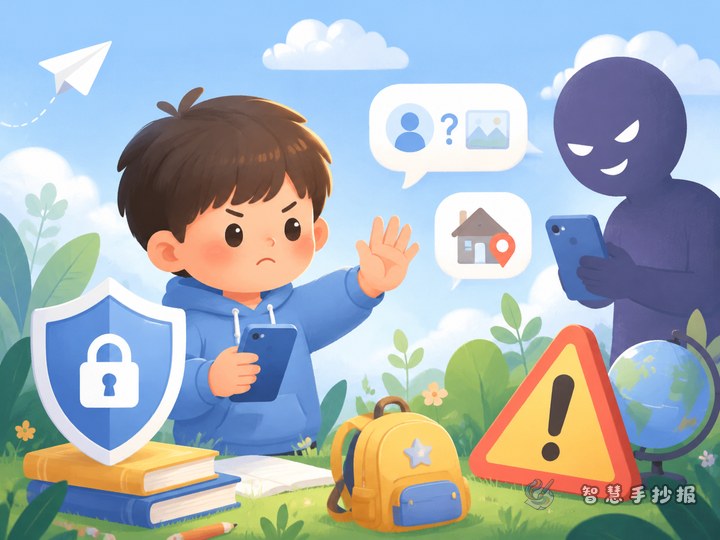
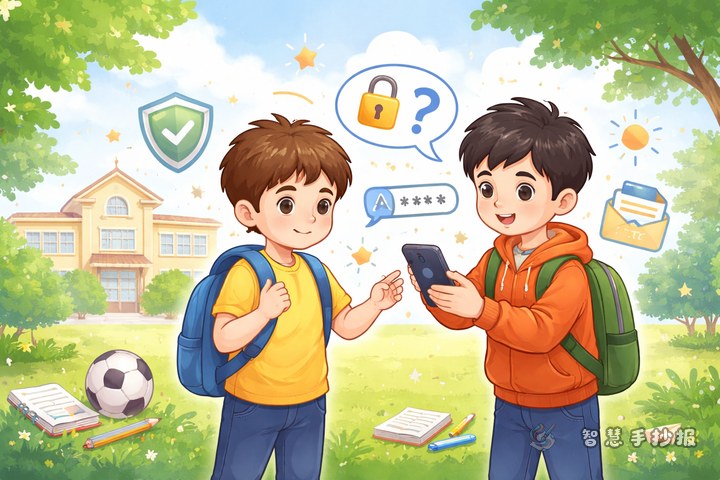
- Never share your real name, address, phone number, or verification codes in a chat group.
- Be careful with messages about prizes, gifts, or easy money.
Short slogan ideas
- Kind words build a kinder campus.
- Say no to bullying and no to risky groups.
- Protect your information, protect yourself.
- Stay calm, stay alert, ask for help.
Make the “what to do” section practical
This topic becomes much stronger when students can see clear action steps instead of general warnings.
- Stay calm: Do not react with anger right away.
- Refuse clearly: Say that the nickname is hurtful or that you will not join the group.
- Leave the risky situation: Exit suspicious groups and step away from people who keep teasing.
- Save evidence: Keep screenshots or simple notes.
- Seek support: Tell parents, teachers, or the homeroom teacher as soon as possible.
A numbered list works especially well in the center of a handwritten newspaper because it is easy to follow at a glance.
Layout tips for a clearer page
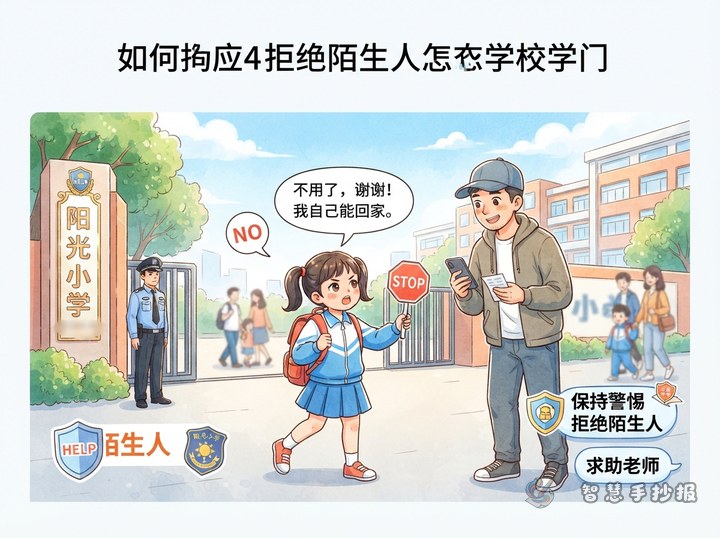
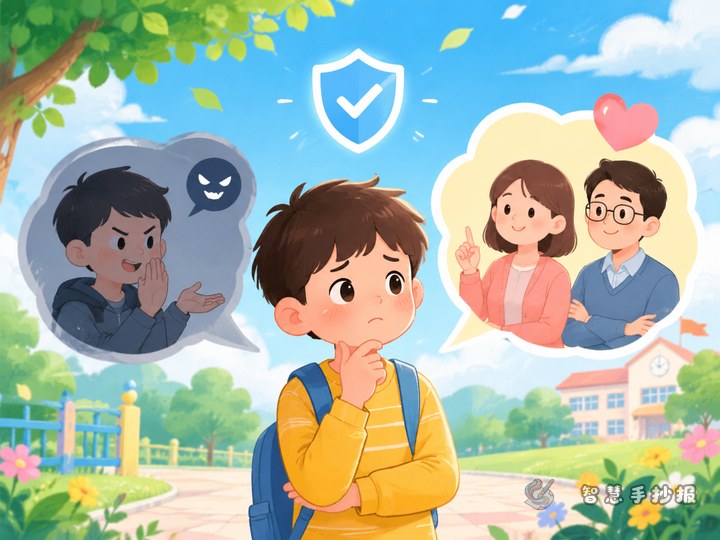
Instead of trying to fill every corner, make the key ideas easy to see. A good design is to place school bullying on one side and online safety on the other, with a central column for four self-protection steps.
- Color idea: Use blue and green as main colors, with orange for warnings.
- Decorative elements: Speech bubbles, shields, books, and warning icons fit the topic well.
- Text control: Keep each section short and avoid large blocks of words.
- Highlighting: Bold phrases like “Do not share personal information” and “Ask for help in time.”
If students want to keep improving the layout, title lettering, and decorative details, they can continue making the page in the Zhihui Shouchaobao WeChat mini program for a more complete final result.
A simple ending for the bottom section
The ending does not need to be long. A short and strong message works best. For example: Respect makes school warmer, and caution makes the internet safer. Do not stay silent when facing bullying, and do not trust strange online messages easily. Learn to be brave, calm, and ready to ask for help.