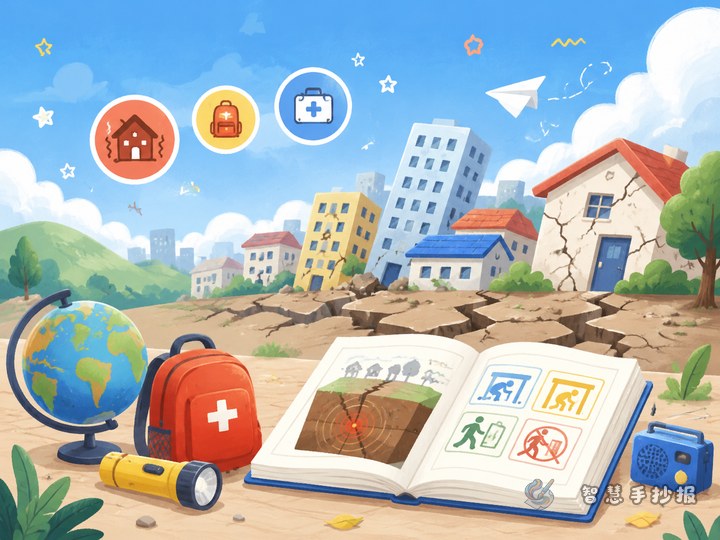
Build the poster around one clear idea: warning, response, and preparation
For this topic, the best approach is to focus on what earthquake early warning means, what to do when a warning arrives, and how to prepare in daily life. This makes the poster more practical for students than only explaining why earthquakes happen.
You can begin with a short introduction under the title: Earthquake early warning is not the same as predicting an earthquake. It is a message sent before strong shaking arrives, giving people a few seconds or more to react more safely.
Useful sections to include on the poster
Section 1: What is earthquake early warning?
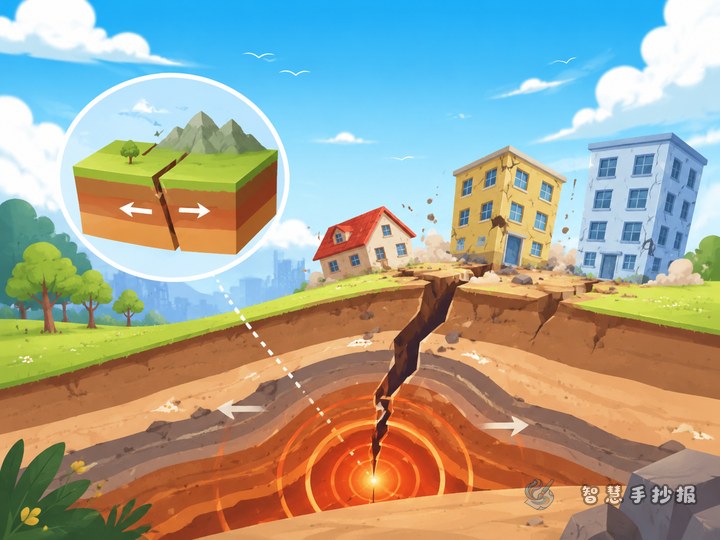
Write a simple explanation: After an earthquake starts, information can be sent out quickly through monitoring systems. Before stronger shaking reaches some places, a warning may arrive first. Even a short warning can help people take safer action.
Section 2: What should students do after hearing a warning?
- At school: Get under or beside a desk, protect your head, and stay away from windows and tall cabinets.
- At home: Move away from glass, hanging lamps, and unstable furniture, then take cover nearby.
- In a hallway: Do not push, run wildly, or use an elevator.
- Outdoors: Stay away from walls, signs, and power poles, and move to an open area.
Section 3: How can we prepare in advance?
- Learn the safe exits and meeting points at home and at school.
- Make a family communication plan after an earthquake.
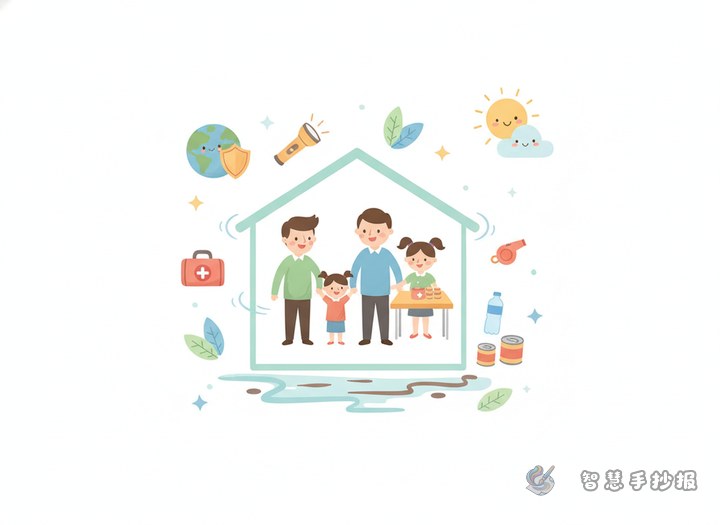
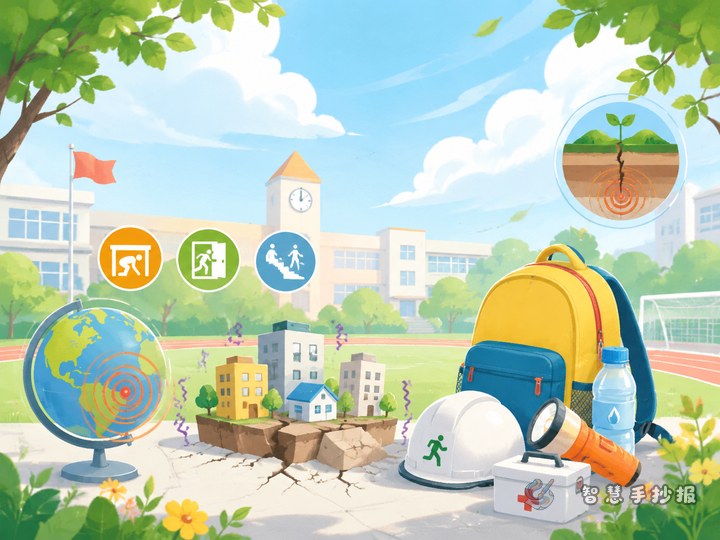
- Prepare basic emergency supplies such as water, a flashlight, a whistle, and common medicine.
- Join drills and practice the correct actions often.
Short writing materials that fit a student poster
Poster text should be short and easy to copy. These lines work well:
- Early warning is not prediction. It is time to react.
- Take cover first, evacuate later if needed.
- Protect your head and stay away from glass.
- Practice before emergencies, stay calm during shaking.
You can also add a reminder: When a warning sounds, protecting yourself is more important than grabbing personal items.
Layout ideas to make the poster look complete
A strong layout is a big center title with two side sections and a bottom safety box. Put the title in the middle, basic warning knowledge on one side, response actions on the other, and a short checklist or safety slogan at the bottom.
Color choices can include blue, orange, and green to create a clear and safe science theme. Simple drawings such as a house, globe, alert bell, emergency bag, or shield can make the page more lively and child-friendly.
A simple ending for the poster
You can end with a call to action: Disaster prevention is not only about learning facts. It is about turning knowledge into calm action. The more we practice, the safer we can be.
If you want more title ideas, border styles, and layout inspiration, you can continue designing your work in the Zhihui Shouchaobao WeChat mini program.