Choose a fresh angle: focus on helping others after an earthquake
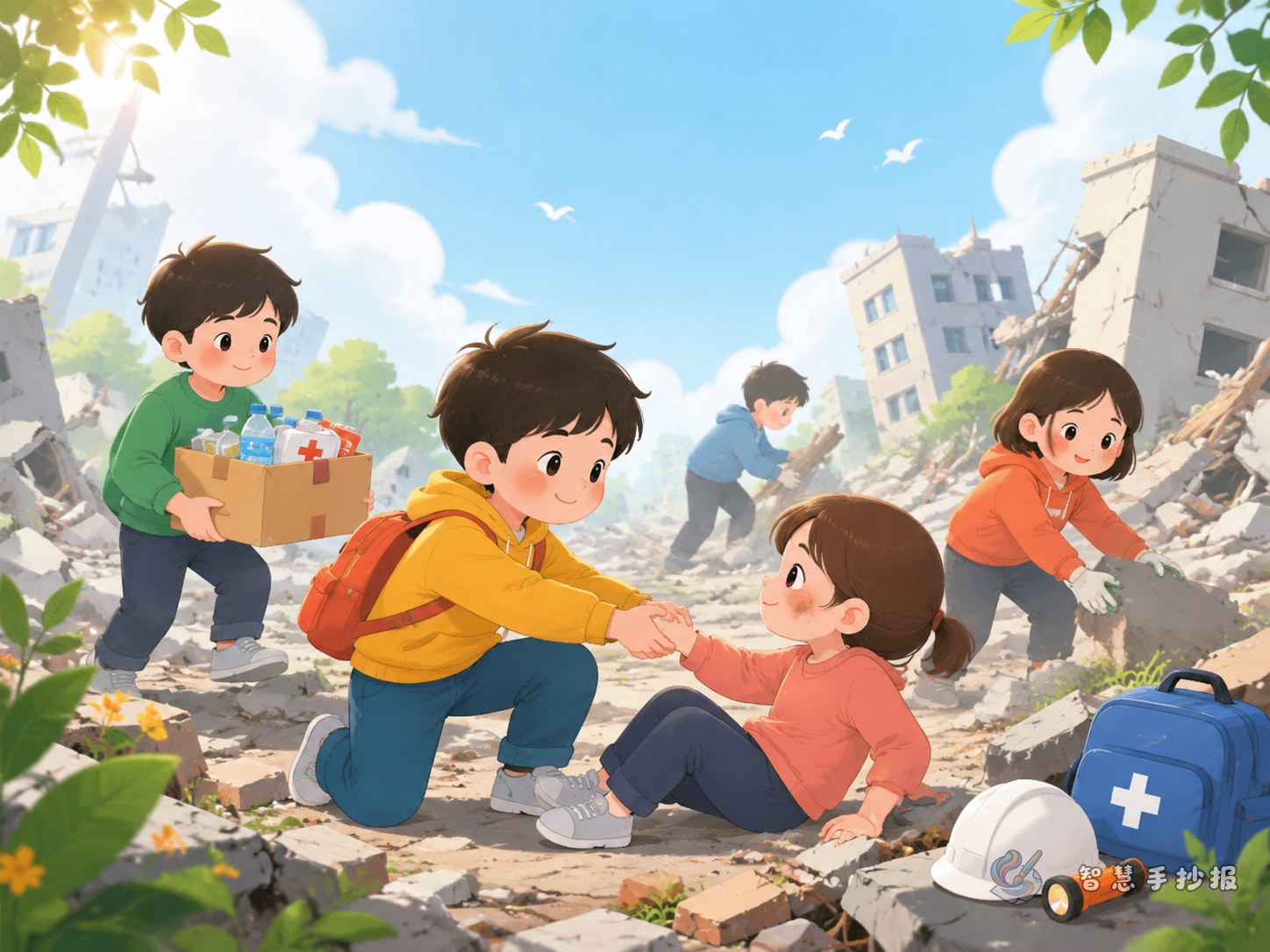
This poster topic works well when it centers on what people can do after an earthquake. Instead of repeating basic facts, students can build the page around support, order, and safety. A title such as “How to Help Others After an Earthquake” makes the poster practical and meaningful.
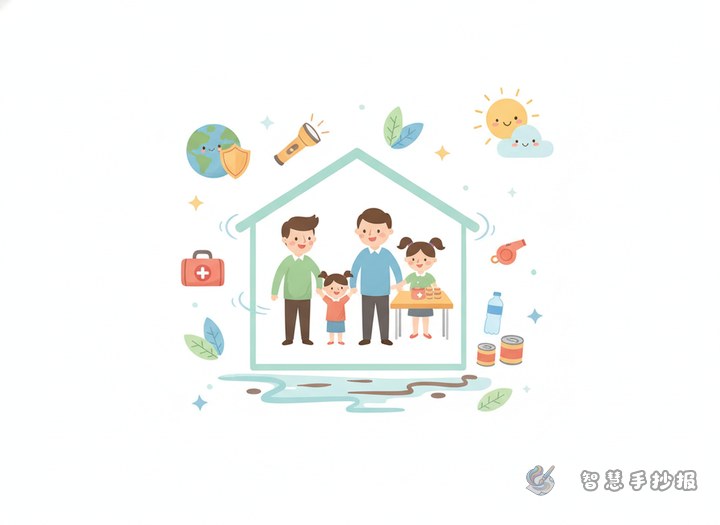
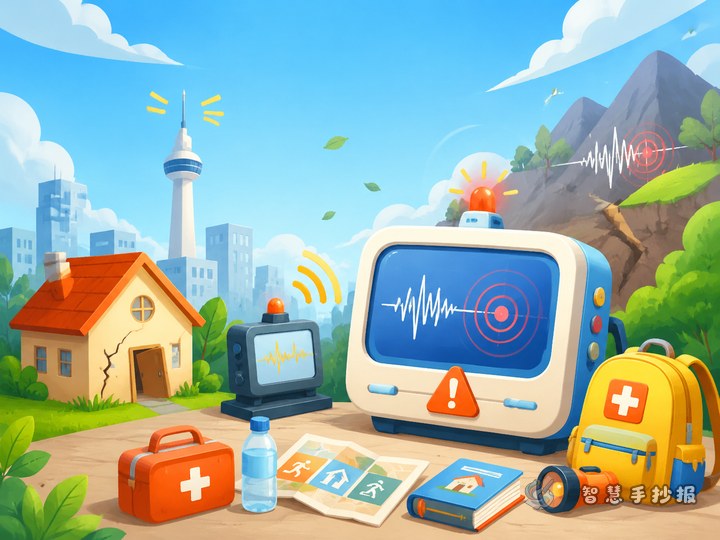
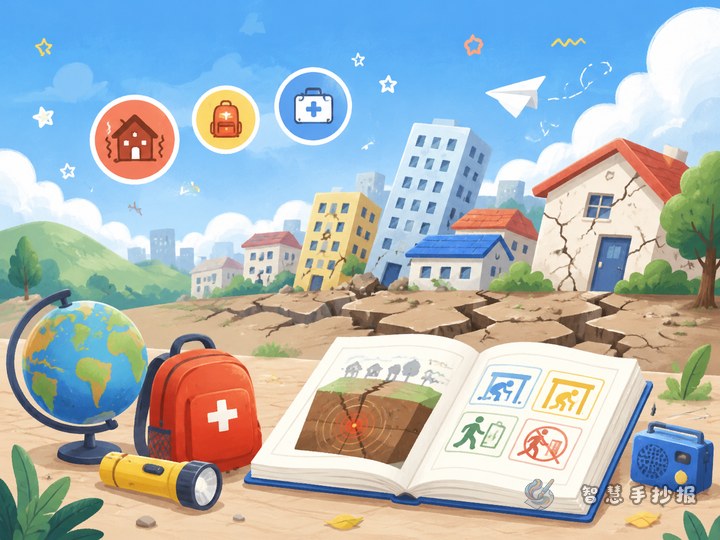
The title area can be decorated with simple drawings like a first-aid kit, a safety sign, a house, a loudspeaker, or a heart. These elements make the page feel caring as well as educational.
Key points students can write on the poster
1. What to do first after the shaking stops
- Stay calm and check whether you are hurt.
- Move away from broken glass, damaged walls, and electric poles.
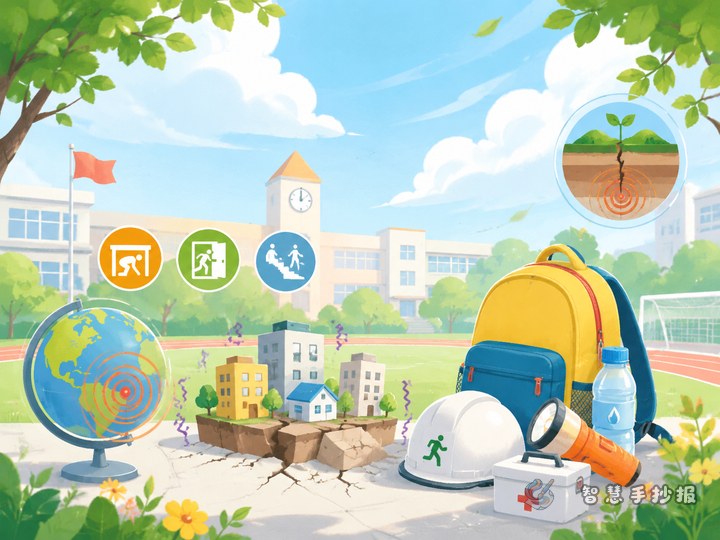
- Follow teachers, parents, or rescuers to a safe open area.
- Do not run back into a damaged building to get personal items.
2. How to help others safely
- Call out first and see whether someone needs help.
- Ask adults for support instead of moving an injured person carelessly.
- Help younger children, older people, and those who need extra assistance.
- Report dangers quickly and avoid crowding around risky places.
3. Things not to do after an earthquake
- Do not use elevators.
- Do not go near damaged buildings.
- Do not spread unconfirmed information.
- Do not return to a dangerous area out of curiosity.
Useful poster sections to arrange
To keep the layout tidy, students can divide the poster into short sections with clear headings.
- The First Minute After the Quake: evacuation and safety actions.
- Helping Hands: simple ways to care for classmates, family, and neighbors.
- Safety Warnings: risky actions to avoid.
- Kind Slogans: short lines about calmness and teamwork.
- Mini Knowledge Box: brief notes about aftershocks or asking for help.
If the family wants a more polished final layout, they can continue designing headings, borders, and sections in the Smart Handwritten Newspaper WeChat mini program.
How to make the layout look better
A strong design choice is a center title with four surrounding blocks. Place the main title in the middle, then use the four corners for safety steps, helping tips, warning notes, and slogans. This makes the page balanced and easy to read.
Blue, green, and orange work well for this topic. Blue suggests calmness, green suggests safety, and orange helps important points stand out. Borders can include waves, hearts, small houses, or first-aid icons.
Short lines students can copy directly
- Stay calm after an earthquake and help others safely.
- Follow instructions and move in order.
- Care for classmates and report danger quickly.
- Do not spread rumors; trust clear guidance.
- Learn disaster safety and grow up protected.
These short lines can be placed in speech bubbles, banners, or corners to make the poster feel more complete.
A detail many posters miss
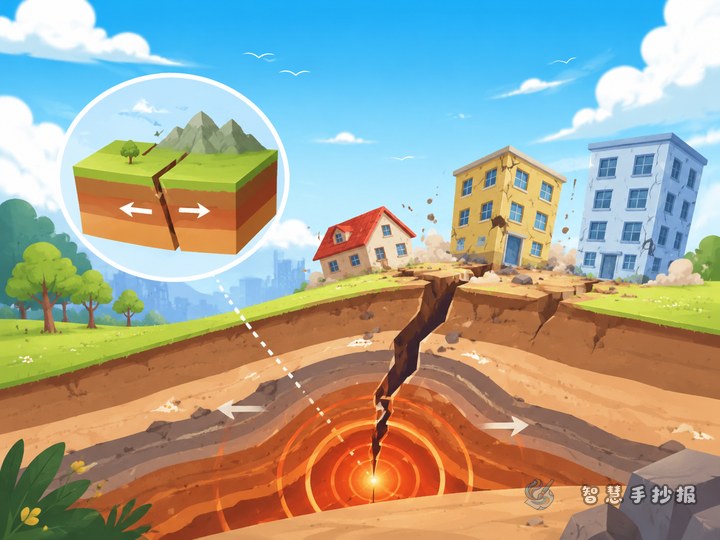
Many earthquake posters only explain what an earthquake is, but a better school poster can also show what happens after the shaking. Writing about order, support, and safe behavior gives the work more real-life value.
Keep each section short. Use bullets, numbers, and clear phrases instead of long paragraphs. That makes the poster neater and easier for children to finish well.