Pick One Local Flour Dish as the Main Character
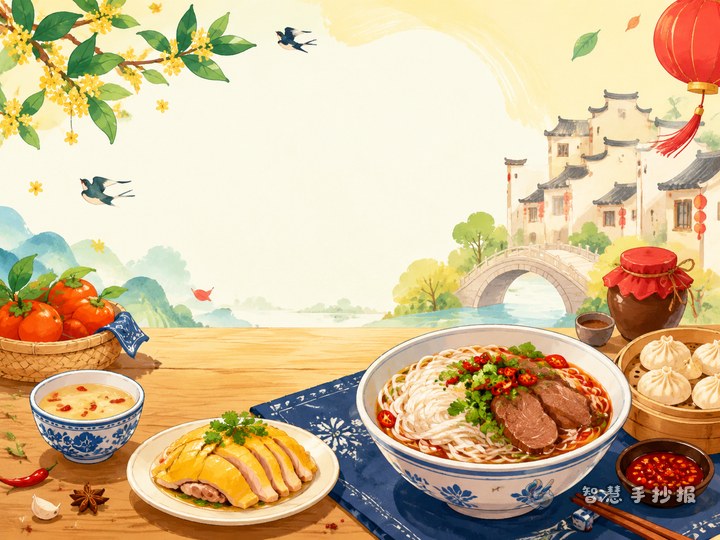
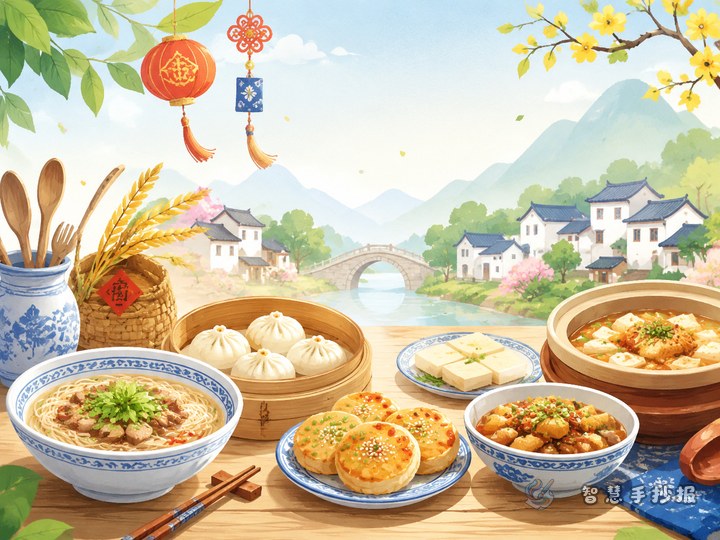
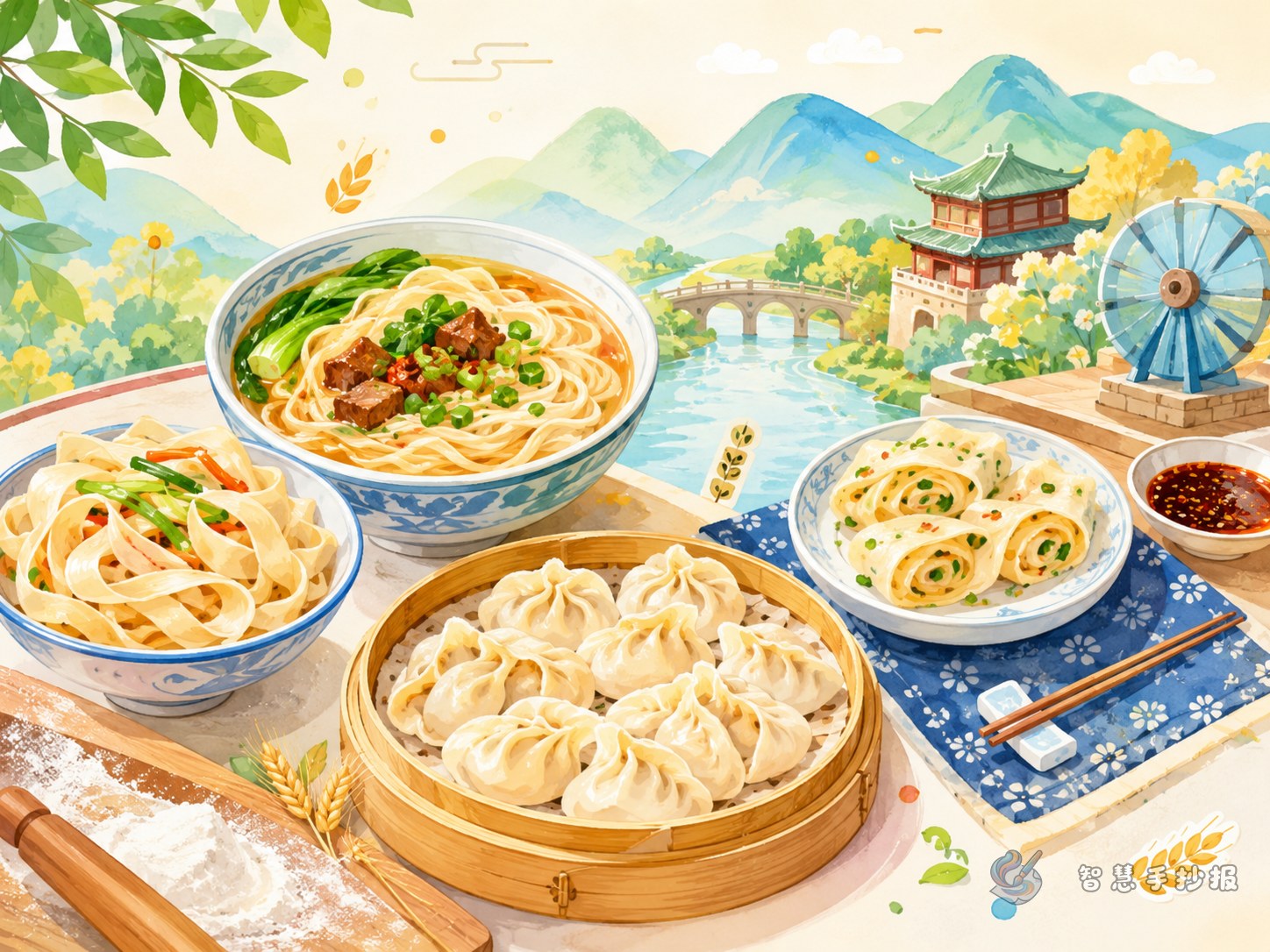
Instead of trying to cover every hometown food, choose one dish that truly represents your local eating habits. It could be hand-pulled noodles, dumplings, steamed buns, flatbread, rice noodles, or another familiar staple. A single clear focus makes the whole handwritten newspaper easier to plan and more meaningful.
Your title can sound natural and student-friendly, such as Why My Hometown Loves Flour Foods, The Taste of Home in One Bowl, or The Local Dish I Miss Most.
Four Sections That Make the Page Easy to Fill
Food Profile
Introduce the name, appearance, taste, and main ingredients. Keep it short and vivid. Mention whether it is chewy, soft, savory, hot, or commonly served with vegetables or meat.
How People Eat It in My Hometown
This is where local character becomes clear. Explain when people eat it, what they pair it with, which season it is most common in, and why families enjoy it so much.
A Family Table Story
Write a small memory about home life: someone kneading dough, preparing fillings, making soup, or eating together around the table. These details make the page warmer and more personal.
My Recommendation
Use first-person sentences to explain why you love this food and how you would introduce it to a visitor. This helps the handwritten newspaper sound like a real student creation rather than a plain report.
Ready-to-Use Sentences
- Hometown flour dishes are not only food, but also part of family life.
- With dough, hands, and a pot, people can make the most familiar taste of home.
- A hot bowl on the table often brings the strongest feeling of comfort.
- Different local foods show different climates, habits, and traditions.
- I love this hometown dish because it carries both flavor and memory.
If you have extra space, add one or two simple facts about wheat, staple foods, or cooking methods, but keep the focus on the handwritten newspaper theme.
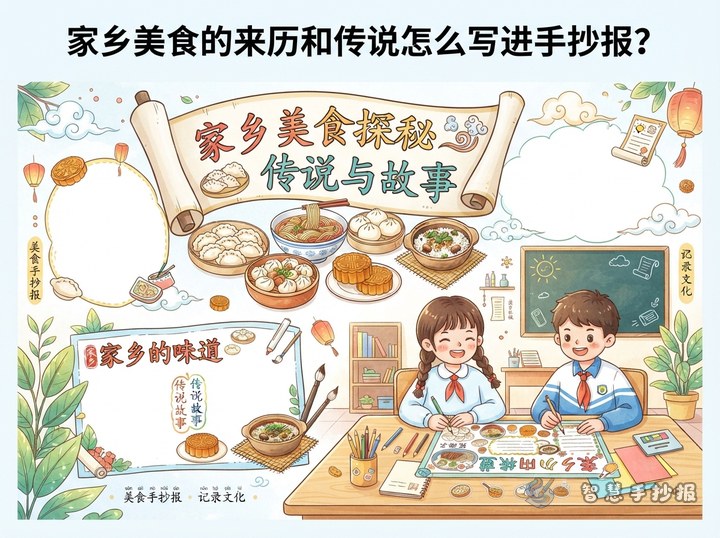
Try a Center Illustration with Surrounding Sections
This topic looks great with a strong visual center. Draw a large bowl, basket, or steamer in the middle and place the title above it. Then arrange the text sections around it. This design feels more lively than a page full of regular boxes.
- Place the title at the top.
- Use a large food illustration in the center.
- Put the food profile and cooking steps on one side.
- Place local eating habits and family story on the other side.
- Add your thoughts and small facts at the bottom.
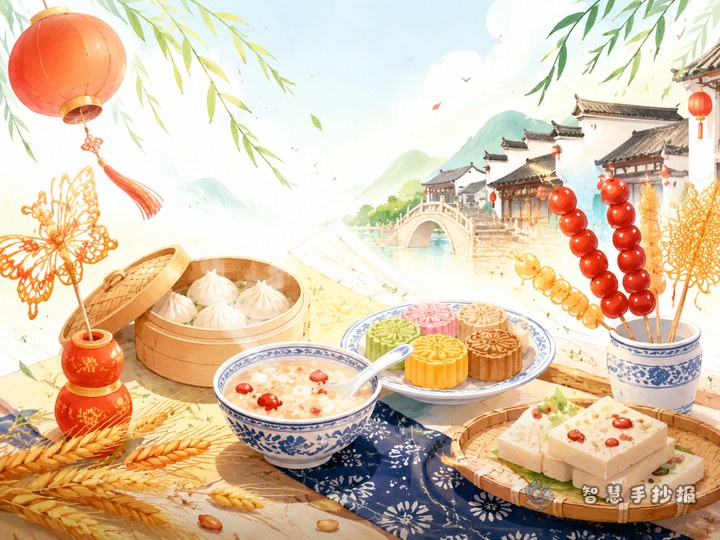
Useful decorative elements include wheat, rolling pins, steam, chopsticks, scallions, and simple kitchen tools.
Use Warm Colors to Show the Taste of Home
Soft cream, wheat yellow, light brown, tomato red, and vegetable green work well for a noodle or flour-food theme. These colors feel warm, simple, and comforting. Keep the title clear and bold, and use small divider lines or rounded labels for section headings.
You can also add little words in the corners, such as “hot,” “fragrant,” or “chewy,” to give the page more everyday charm.
Simple Production Tips for Students
Write an outline first, copy the text second, and decorate last. Keep each section to two to four sentences so the page does not feel crowded. Leave room for drawings and borders, and check whether the whole page stays focused on one main hometown dish.
If you want to organize sections, colors, and layout more quickly, you can continue improving your work in the Zhihui Shouchao Bao WeChat mini program.