Choose a practical and vivid theme
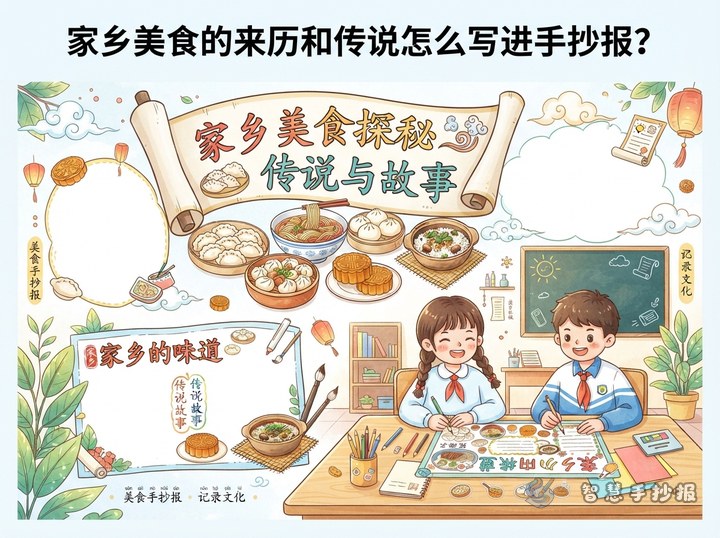
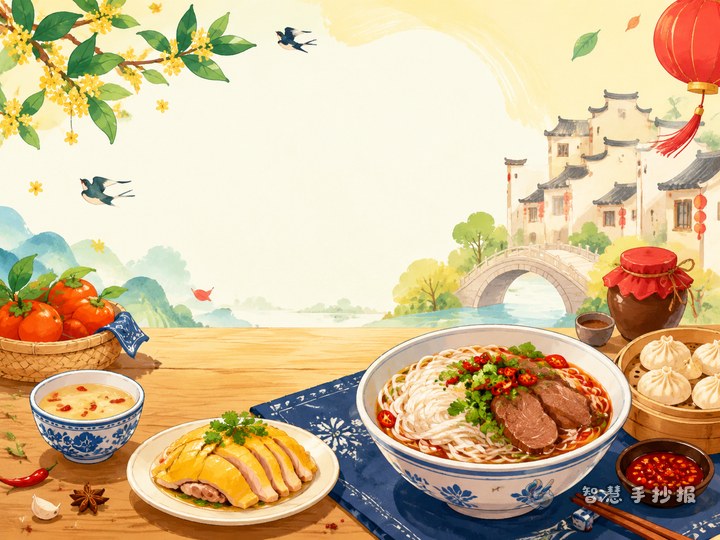
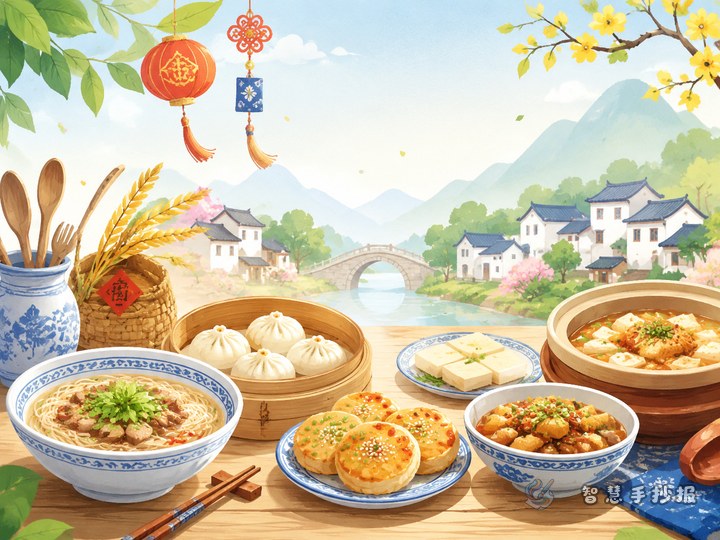
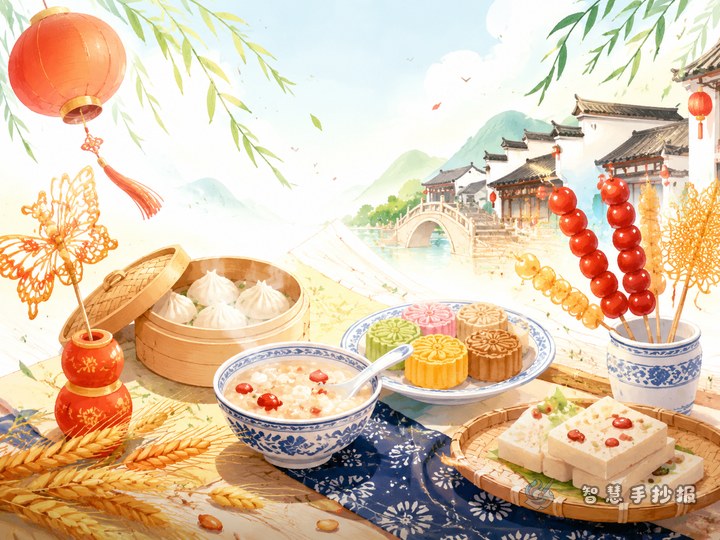
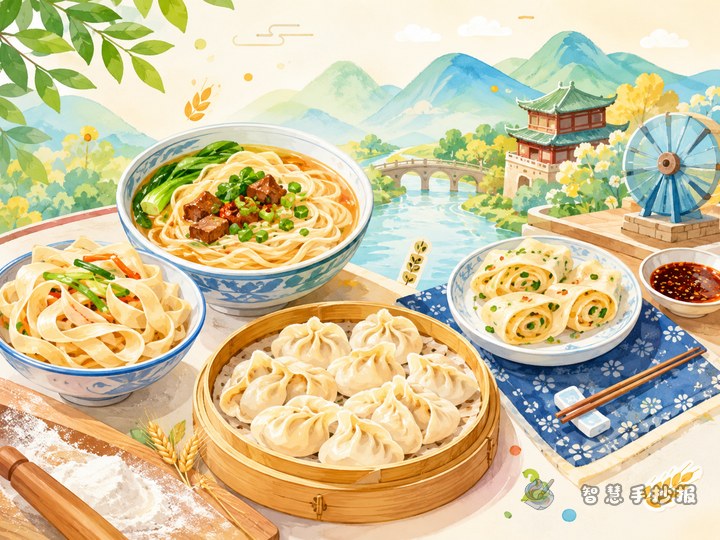
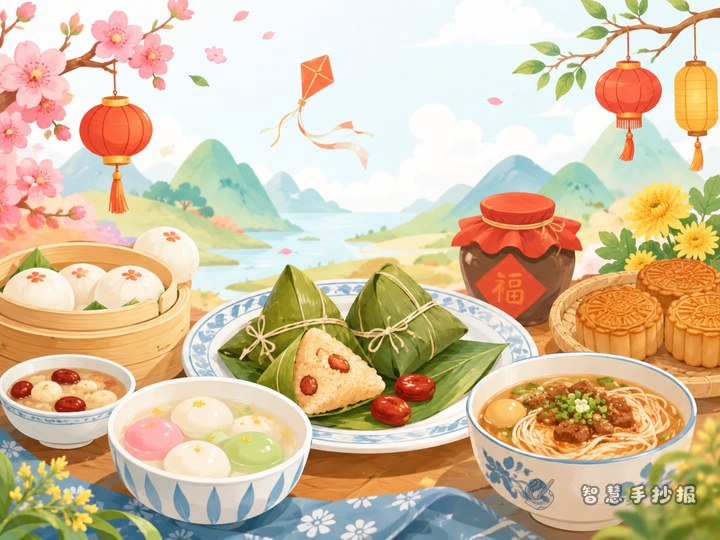
If you want your poster to feel local, lively, and easy to organize, a great angle is "A Breakfast Map of My Hometown". Instead of focusing on only one snack, this theme lets you show the taste of the morning, daily eating habits, and local food culture all on one page. You can include staple foods, soups or drinks, side dishes, and the atmosphere of streets and markets.
Your title can be something like “Why Does Breakfast in My Hometown Smell So Good?” or “The Warm Taste of Morning in My Hometown.” This kind of topic feels natural and personal, which works very well for a school handwritten newspaper.
Design the page like a breakfast route map
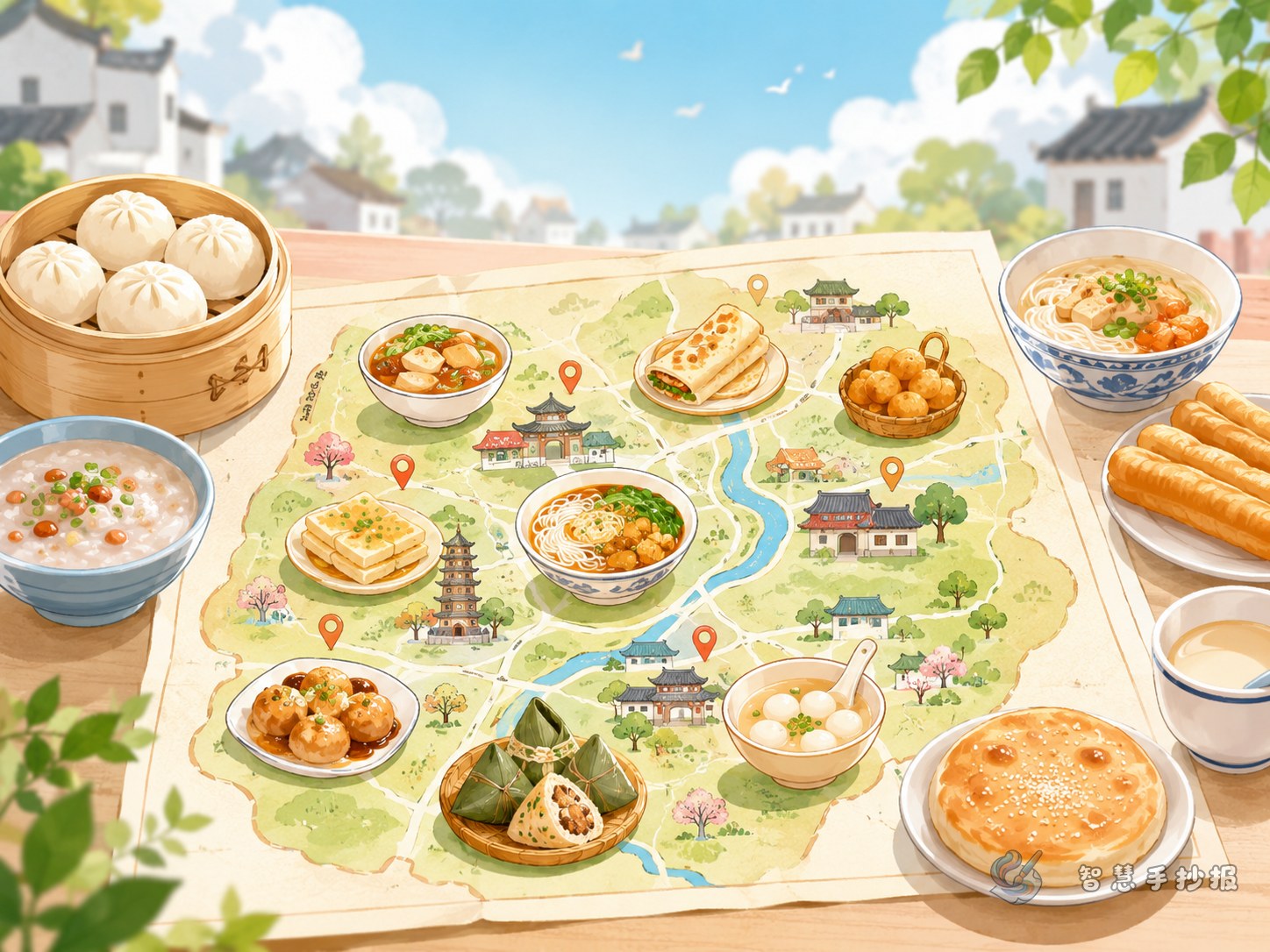
You do not have to use a standard box layout. This topic works especially well as a route-map design. Put the main title in the center, then divide the page into breakfast stops such as “Staple Food Stop,” “Soup and Drink Stop,” “Street Snack Stop,” and “Eating Habits Stop.” This makes the poster clear and fun to read.
- Top area: Add the title and a short sentence such as “The first bite of the day tastes like home.”
- Left side: Introduce one or two typical breakfast staples.
- Right side: Write about soup, soy milk, porridge, or local drinks.
- Bottom area: Add daily habits, festival breakfast customs, or a small morning scene.
- Corners: Decorate with bowls, chopsticks, steam lines, buns, or bamboo steamers.
What text can you include in the poster?
You do not need very long paragraphs. The best writing is short, concrete, and easy to understand. A simple way is to organize your content around these questions: what people eat, how it is made, when they eat it, and why they love it.
Useful mini-sections
- Typical breakfasts in my hometown: Write about two or three common morning foods.
- Flavor words: Use words like soft, crispy, hot, fresh, savory, or sweet.
- Cooking impression: Freshly wrapped, fried, steamed, simmered, or hand-made.
- Breakfast and daily life: Before school, on market days, on winter mornings, or during festivals.
- My top recommendation: Share your favorite breakfast and why you would recommend it.
Here is a sample idea: Breakfast in my hometown is not only about filling our stomachs. It is also the beginning of a new day. In the early morning, the street corners are full of steam and aroma, and people wait in line while chatting with neighbors. That warm scene is part of the taste of home.
How to write about food culture in a real way
Many students write general phrases like “long history” or “very delicious,” but food culture becomes more interesting when it is specific. You can explain why local people prefer hot food in the morning, why breakfast needs to be quick but filling, or how breakfast changes with the seasons. These details are all part of food culture.
- Write about how the local weather affects breakfast choices.
- Describe family habits, such as a special weekend breakfast.
- Explain the local flavor preference, such as spicy, sweet, salty, or mild.
- Mention hospitality customs, like serving guests a special morning dish.
This makes the poster feel meaningful instead of becoming just a list of food names.
Easy design tips to make the page look warm and delicious
A hometown food poster looks great with warm colors like cream, orange, light red, and brown. These colors help create the feeling of a hot and fresh breakfast. Keep the title round and cheerful, and use simple decorations rather than a crowded border.
If your page still feels empty, you can add:
- A short slogan about hometown breakfast.
- A section called “The breakfast I would recommend to visitors.”
- A mini list of breakfast combinations, such as staple food plus drink plus side dish.
- A small reminder about healthy breakfast habits and saving food.
Remember to leave some blank space so the poster feels clean. If you have already chosen your sections and theme, you can also continue arranging your page in the Zhihui Shouchaobao WeChat mini program.
Sample opening and ending lines
Opening example: Every place has its own morning flavor, and the one I know best is the breakfast aroma of my hometown. It lives in small street shops, in steaming pots, and in the simple moments when families sit down together before the day begins.
Ending example: Hometown breakfast may look simple, but it carries local habits, family memories, and the warmth of everyday life. A hot breakfast can fill both the stomach and the heart, and it makes me love my hometown even more.