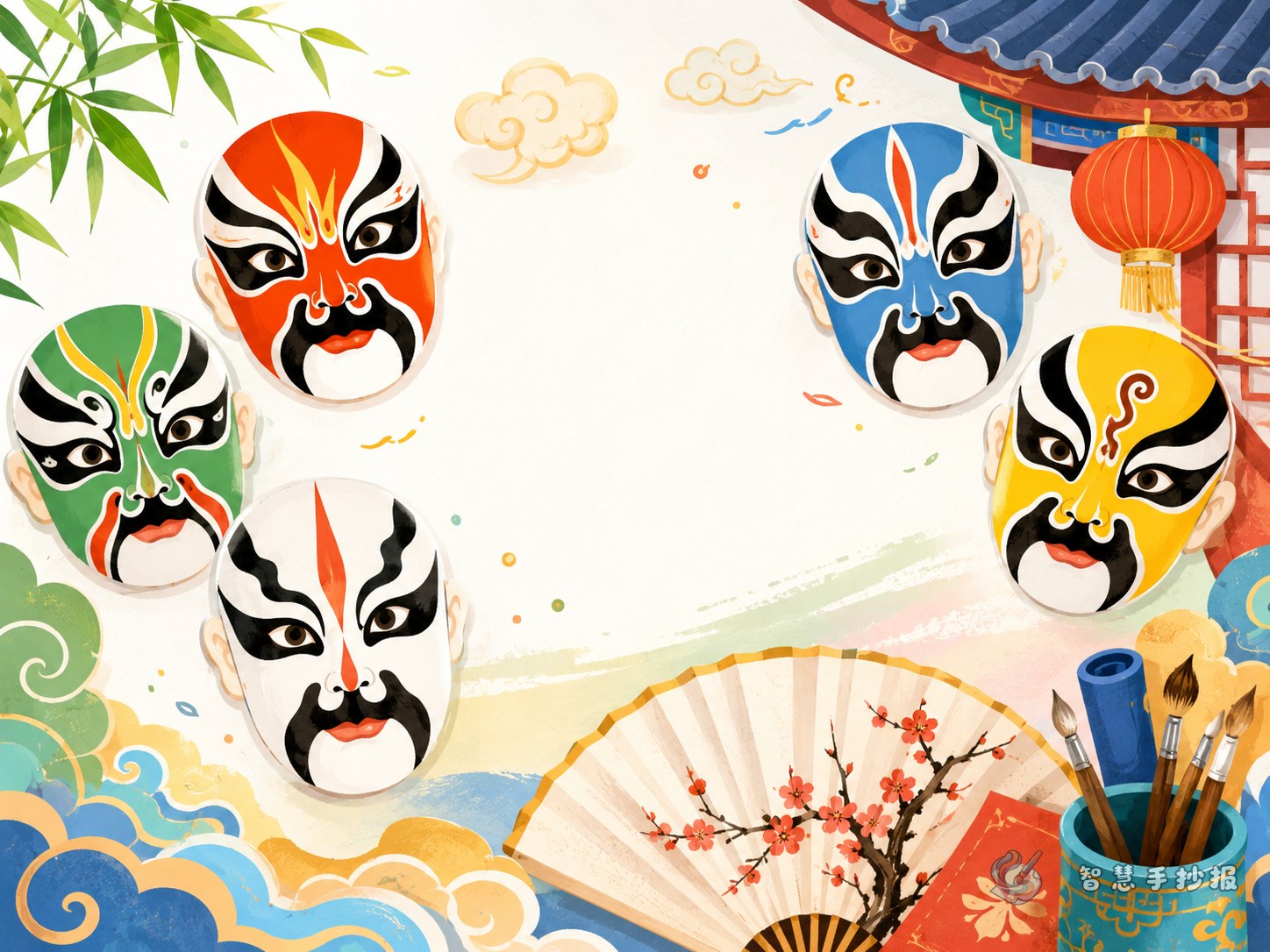
Start with a Strong Visual Focus
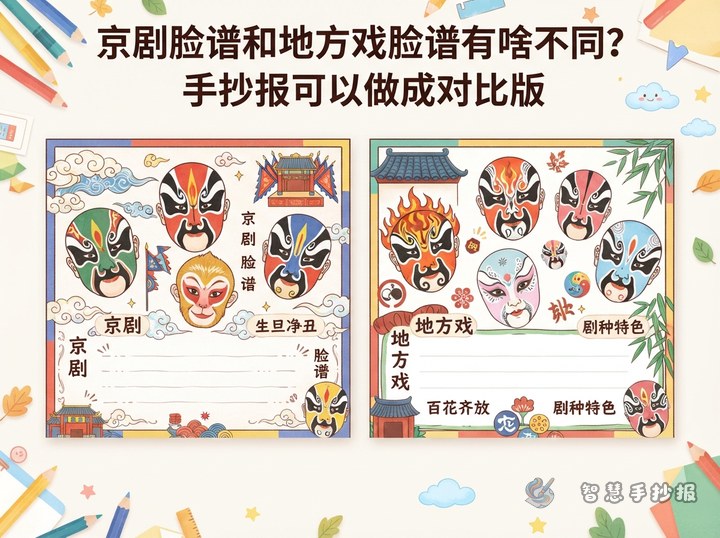
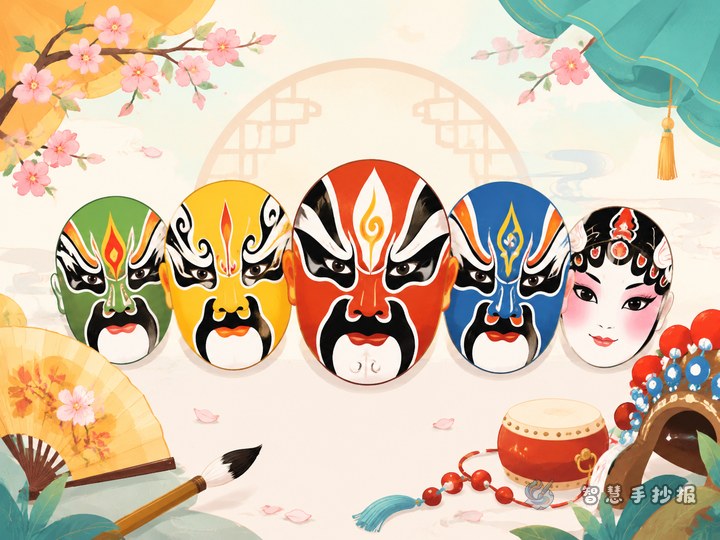
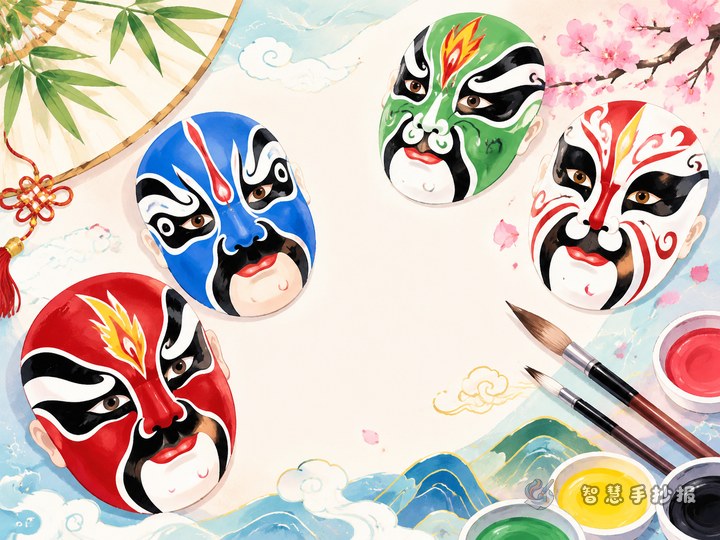
When making a handwritten newspaper about traditional Chinese opera masks, it helps to begin with a clear center instead of filling the page with text right away. A large mask illustration can sit in the middle, with the main title above or below it. The rest of the content can be placed around that image in smaller sections. This structure feels neat, eye-catching, and suitable for the bold style of opera masks.
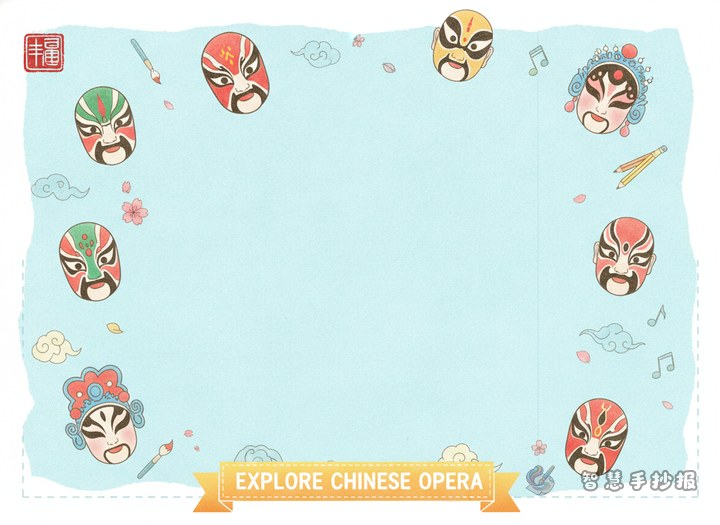
If you have more space, you can also divide the page into left and right parts. One side can explain mask features, while the other shows pattern ideas and personal thoughts. Curved decorative lines can help connect the sections.
Section Ideas That Go Beyond Simple Color Notes
To make the project more interesting, you can use section titles from different angles instead of repeating the most common topic. Here are some useful ideas:
- What Makes a Mask Look Special: explain the forehead, eyes, nose area, and mouth shapes.
- Patterns and Lines: describe symmetry, curves, sharp angles, and bold color blocks.
- Different Character Impressions: write about masks that feel powerful, brave, lively, or mysterious.
- My Favorite Mask Style: add a short personal response.
- Why Masks Matter on Stage: explain how they help the audience recognize character traits.
These sections keep the handwritten newspaper focused on the theme while adding more depth.
Ready-to-Use Writing Material
Chinese opera masks are a distinctive part of traditional stage art. With strong lines, bright color areas, and balanced patterns, they present a character's spirit and personality in a direct visual way. Before the audience hears much dialogue, they can often sense the role's nature from the face design.
An opera mask is more than decoration. It is part of performance art. Changes in shape, thickness, direction, and placement of lines can make a figure appear serious, bold, clever, or mysterious. Because of this variety, opera masks are especially suitable for school handwritten newspapers.
On a student project page, opera masks can be introduced as visual symbols that tell a story. They connect artistic beauty, cultural meaning, and stage expression in one clear image.
Simple Design Tips for a Better Page
- Make the main title slightly decorative, but keep it easy to read.
- Break text into short paragraphs or bullet points.
- Use section frames inspired by fans, drums, or flowing cloud patterns.
- Choose one large image and two or four smaller ones for visual variety.
- Leave some blank space so the page does not feel crowded.
If you want to keep improving the page quickly, you can also continue organizing your ideas in the Zhihui Shouchaobao WeChat mini program.
A Short Ending Students Can Use
You do not need a long conclusion. A simple closing sentence works well: Chinese opera masks combine character expression and traditional aesthetics, making them a vivid part of Chinese opera culture.
Another lively ending could be: One mask shows one personality, and one stage carries one culture. Learning about opera masks is a wonderful way to get closer to traditional Chinese art.