Start with a clear theme
A cold wave handwritten newspaper should help readers understand that a cold wave is a strong cooling process often combined with wind and sometimes snow or freezing weather. Good title ideas include “Understanding Cold Waves,” “What Happens During a Cold Wave,” or “Cold Wave Safety for Students.” These titles sound natural and are easy for children to follow.
If the newspaper is for primary school students, keep the wording short and direct. Each section should answer one simple question.
Build the main content step by step
Section 1: What is a cold wave?
You can explain that a cold wave is not just normal cold weather. It means temperatures drop quickly over a short time, often with stronger wind and sometimes snow or icy conditions.
Section 2: Why does a cold wave happen?
Write in simple language: when very cold air from northern areas moves south quickly, it can cause a sudden fall in temperature across a large region.
Section 3: What changes does it bring?
- Fast temperature drops
- Stronger wind and colder body feel
- Rain, snow, or slippery roads in some places
- Effects on travel, school routines, and farming
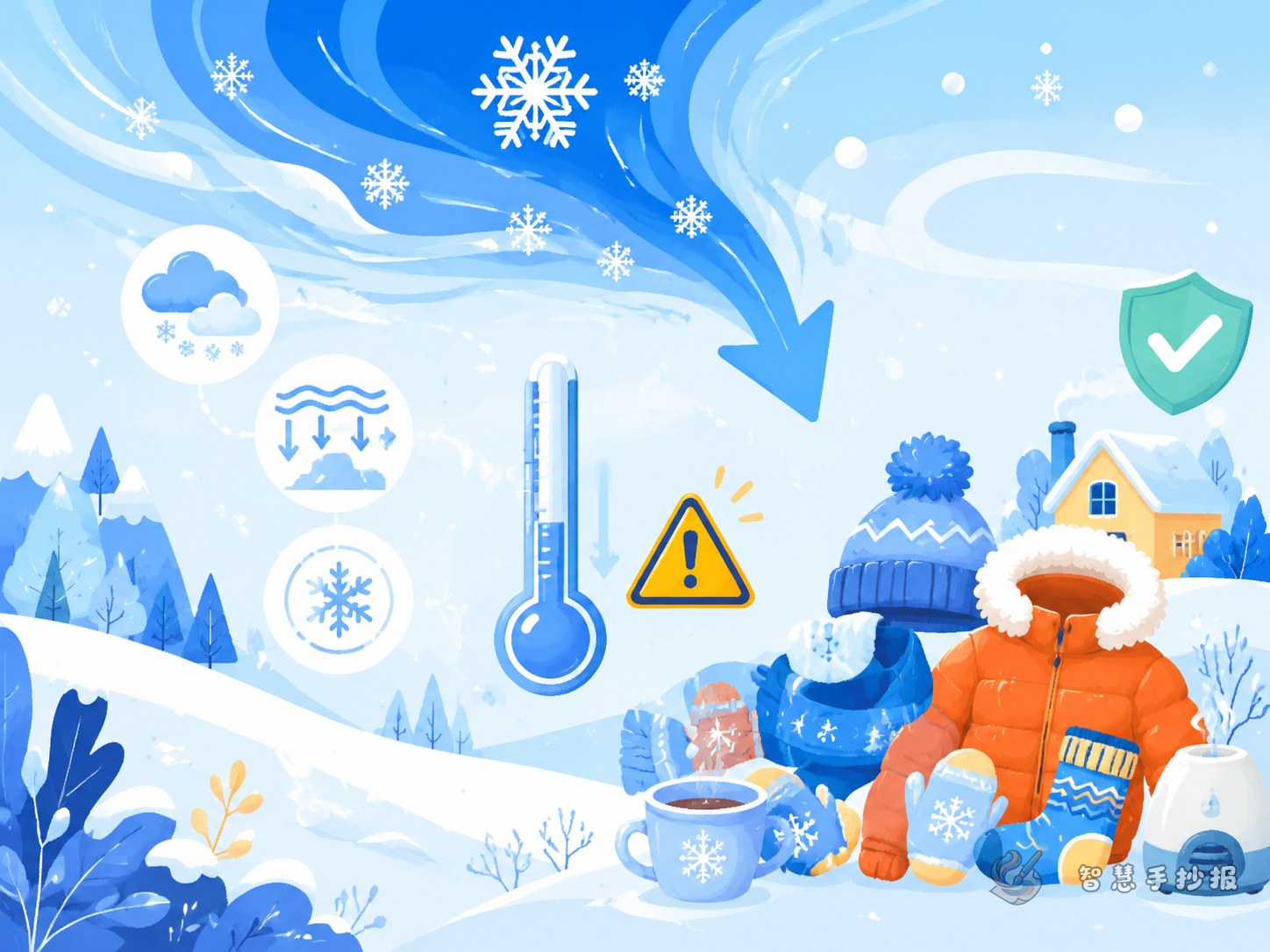
This part works well with small drawings such as arrows, snowflakes, wind lines, or a thermometer.
Warning signals can be the highlight of the page
A warning signal section makes the handwritten newspaper more practical. You can write that blue, yellow, orange, and red show increasing levels of cold wave impact. The darker the color, the stronger the warning.
- Blue: pay attention to cooling and wind changes
- Yellow: get ready for stronger weather effects
- Orange: expect clear impact on daily life and travel
- Red: strong impact, special care is needed
Arrange the four colors in a vertical column to make the information easy to remember.
Add practical winter safety tips
To make the newspaper useful, include a “What should we do during a cold wave?” section. These points are simple and close to students’ daily lives.
- Wear warmer clothes and protect your head, neck, hands, and feet
- Check the weather before going out
- Walk carefully on rainy or snowy days
- Drink warm water and rest well
- Keep indoor air fresh, but avoid long exposure to cold wind
- Listen to reminders from parents and teachers
You can decorate this area with drawings of scarves, gloves, coats, and hot drinks.
Try a temperature-drop route layout
Instead of dividing the page into equal boxes, design a “temperature drop route” through the middle. This creates movement and matches the idea of sudden weather change.
- Top: main title and winter weather drawings
- Left: what a cold wave is and how it forms
- Right: warning colors and what they mean
- Bottom: daily impacts and safety advice
Use blue, white, and light gray as the main colors, then add red for warnings. This makes the page look clean and focused.
A simple ending sentence to finish the work
You can end with a line like this: A cold wave may bring strong cold weather, but if we understand it, follow warnings, and stay warm, we can stay safe in winter.
If you want to improve the decoration, adjust the structure, or continue making a cleaner final version, you can use the Smart Handwritten Newspaper WeChat mini program for the next step.